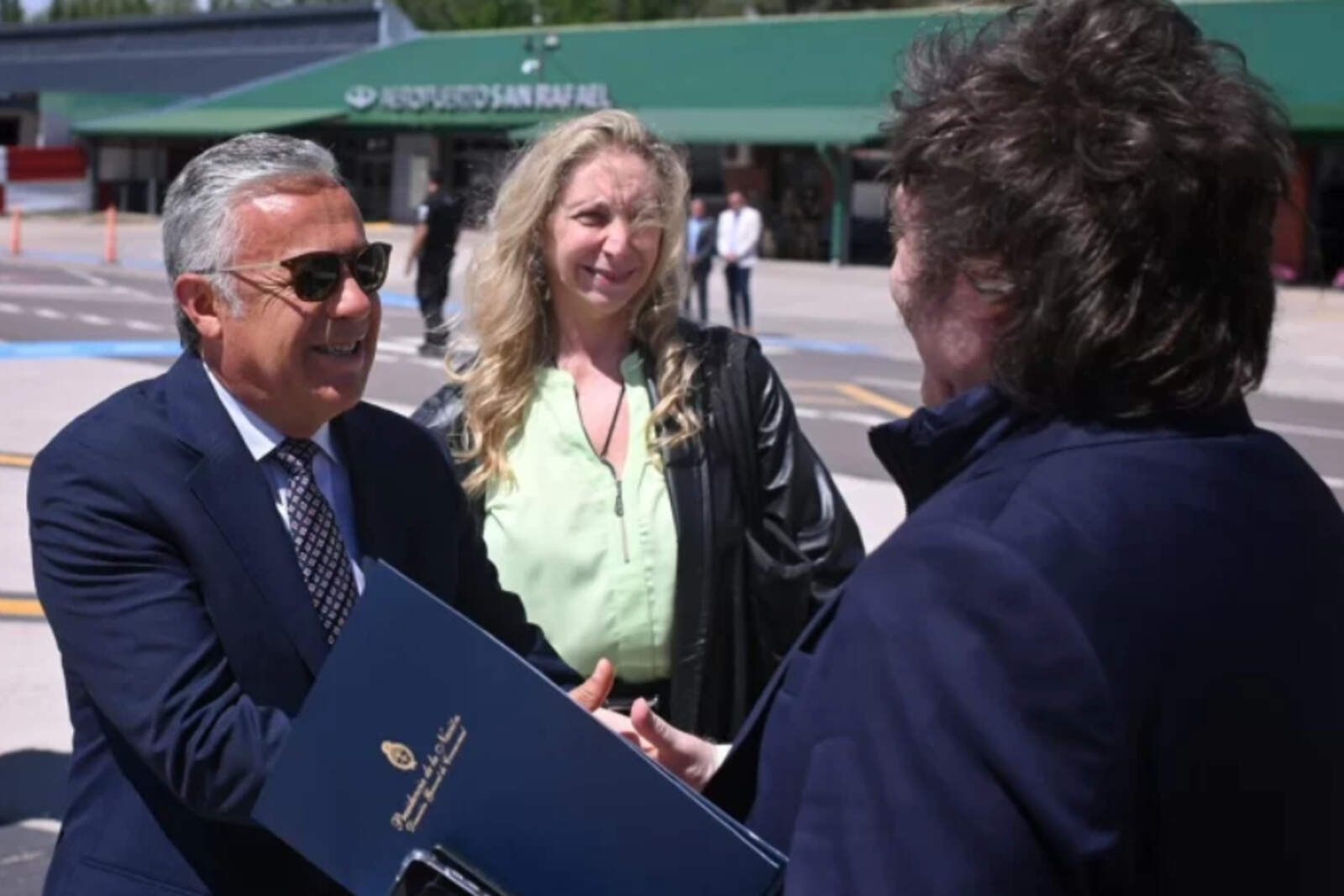

Mendoza Governor Alfredo Cornejo ended the year with a positive assessment of his administration and placed mining at the center of the provincial economic strategy. After years of restrictions and political conflicts, the governor stated that the province managed to "turn the page" and lay the foundations for sustainable mining development, with a direct impact on employment, investment, and regional growth.
According to Cornejo, the advances in mining are not an isolated phenomenon, but the result of a political process that made it possible to build consensus, restore predictability, and emerge from the isolation that affected Mendoza. "Political achievements and mining go hand in hand," he summarized when he analyzed the course of his government.
End of the mining paralysis and arrival of investments
The governor emphasized that Mendoza left behind the "blacklist" of anti-mining and began to attract international companies interested in the exploration of strategic resources. Among the main advances he mentioned:
- The exploration of copper in Malargüe by companies such as the Canadian firm Kobrea.
- The San Jorge project, which is moving forward in its exploratory stage and could show results in less than a year.
- The promotion of critical minerals such as potassium and copper, which are considered key for the energy transition and the global economy.
Cornejo expressed confidence that 2026 will be a decisive year, not only because of national macroeconomic stabilization, but also because of the maturation of mining projects that are currently at an early stage.
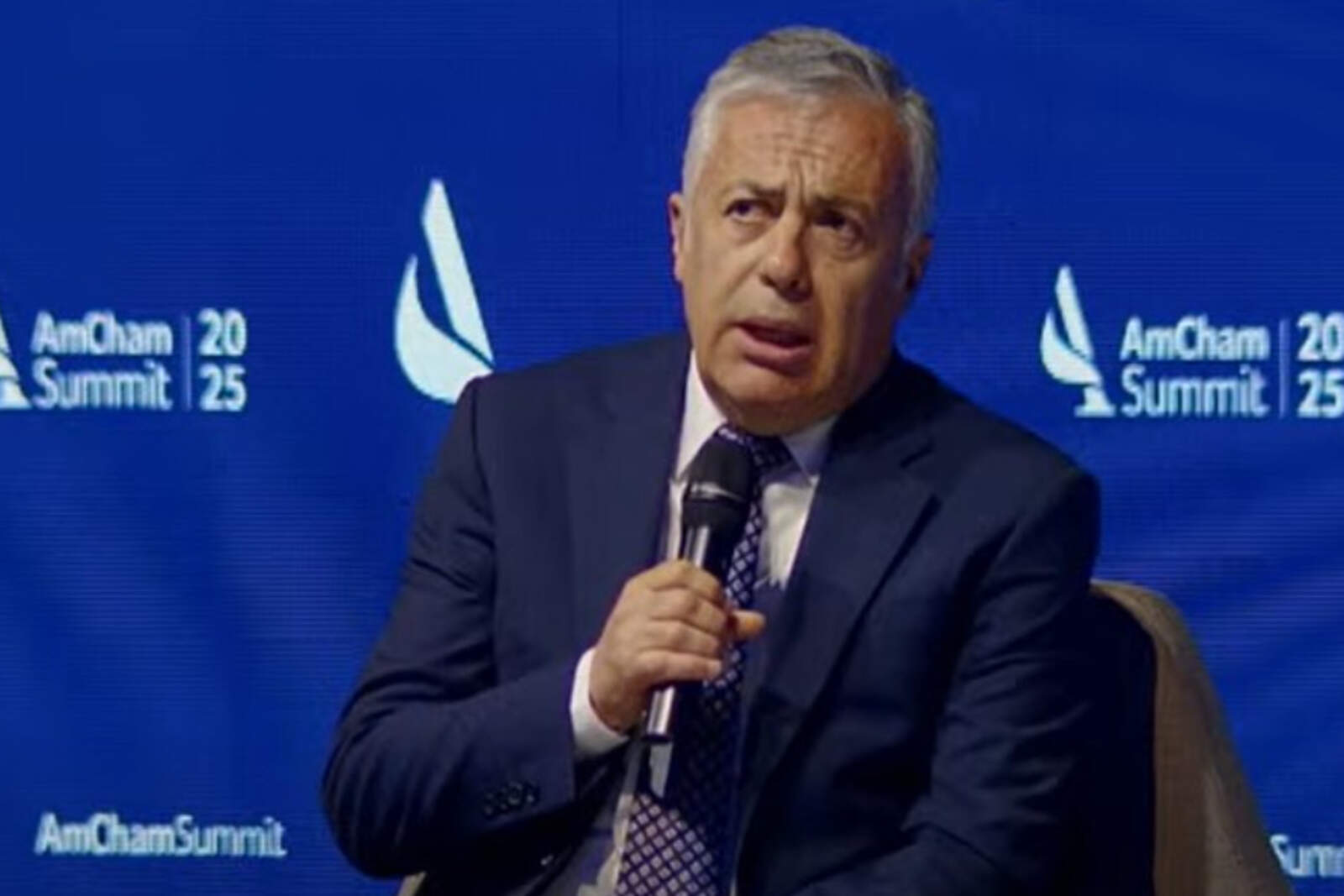
Mining, energy, and a new productive matrix
The governor stressed that mining is complemented by other strategic sectors, such as energy. In that regard, he pointed out the importance of reactivating the northern tongue of Vaca Muerta within Mendoza's territory, with a focus on unconventional development and new private investments after YPF's partial withdrawal.