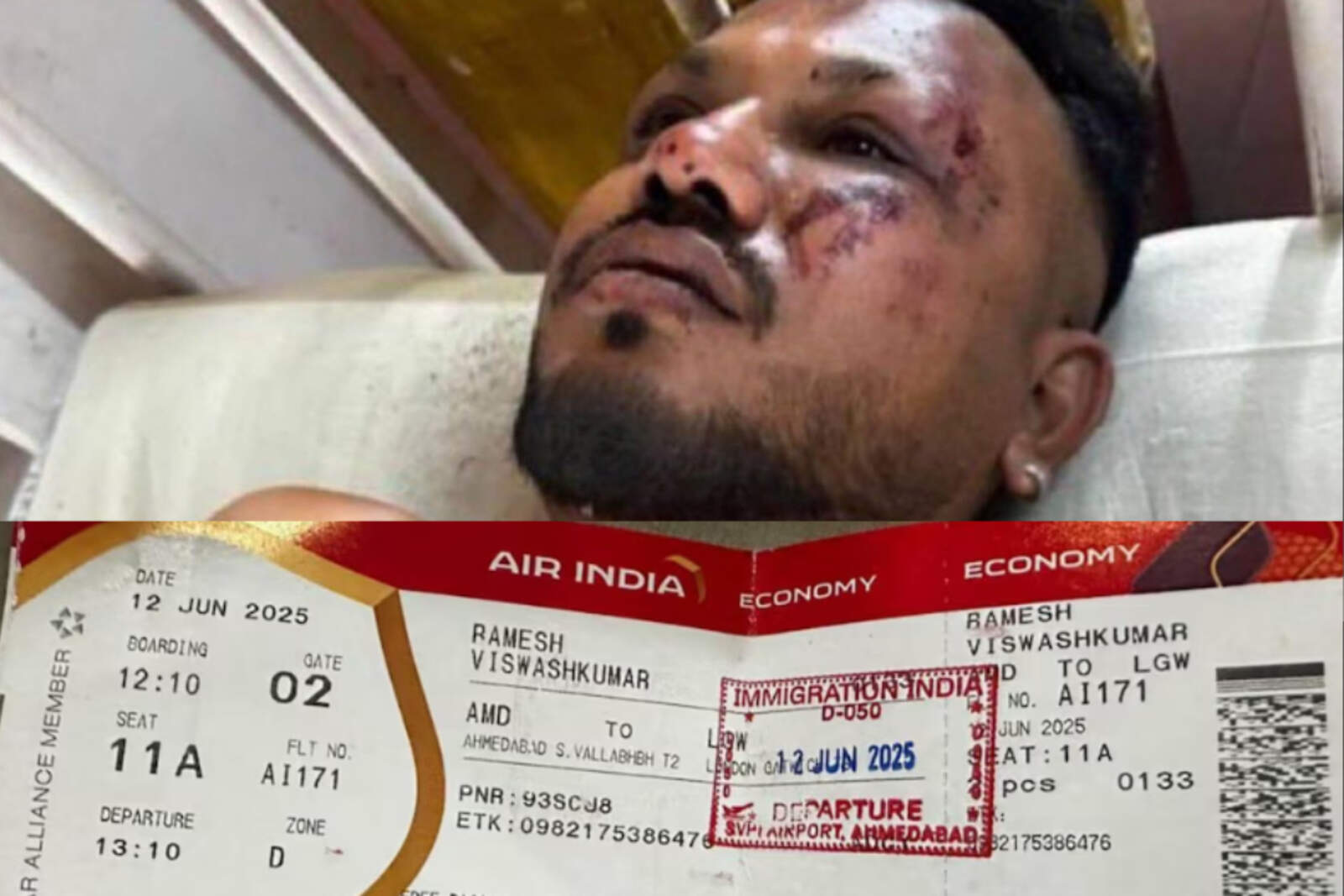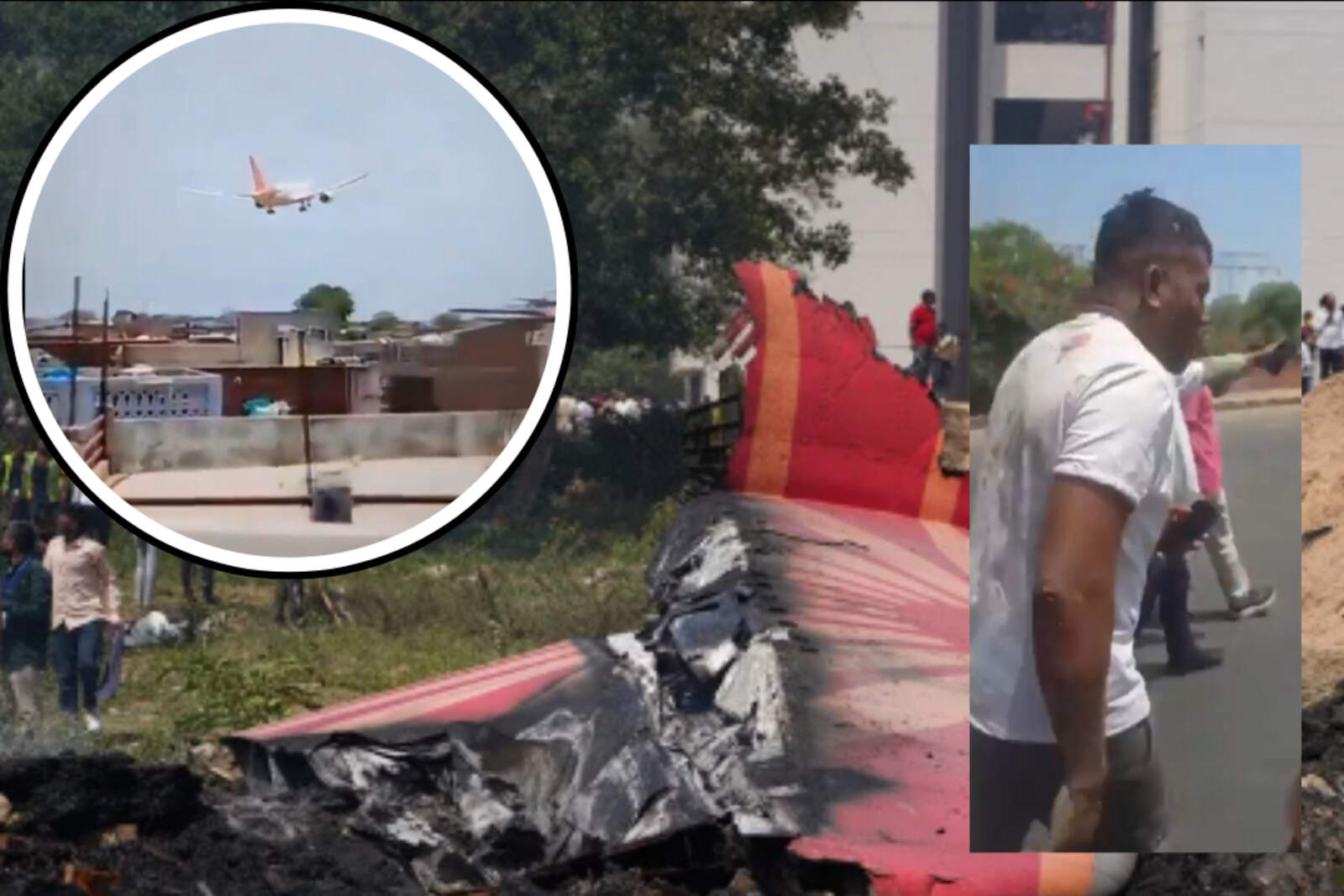

This Thursday, an air catastrophe shook the city of Ahmedabad, in western India. An Air India plane bound for London crashed minutes after taking off from Sardar Vallabhbhai Patel Airport.
Flight 171, operated by a Boeing 787-8 Dreamliner, was carrying 232 passengers and 12 crew members. Among them were Indian, British, Portuguese citizens, and one Canadian.
The aircraft crashed to the ground just as it reached 623 feet (190 meters) in altitude. It was around 1:00 p.m. (local time) when the impact occurred in a residential area near the airport.

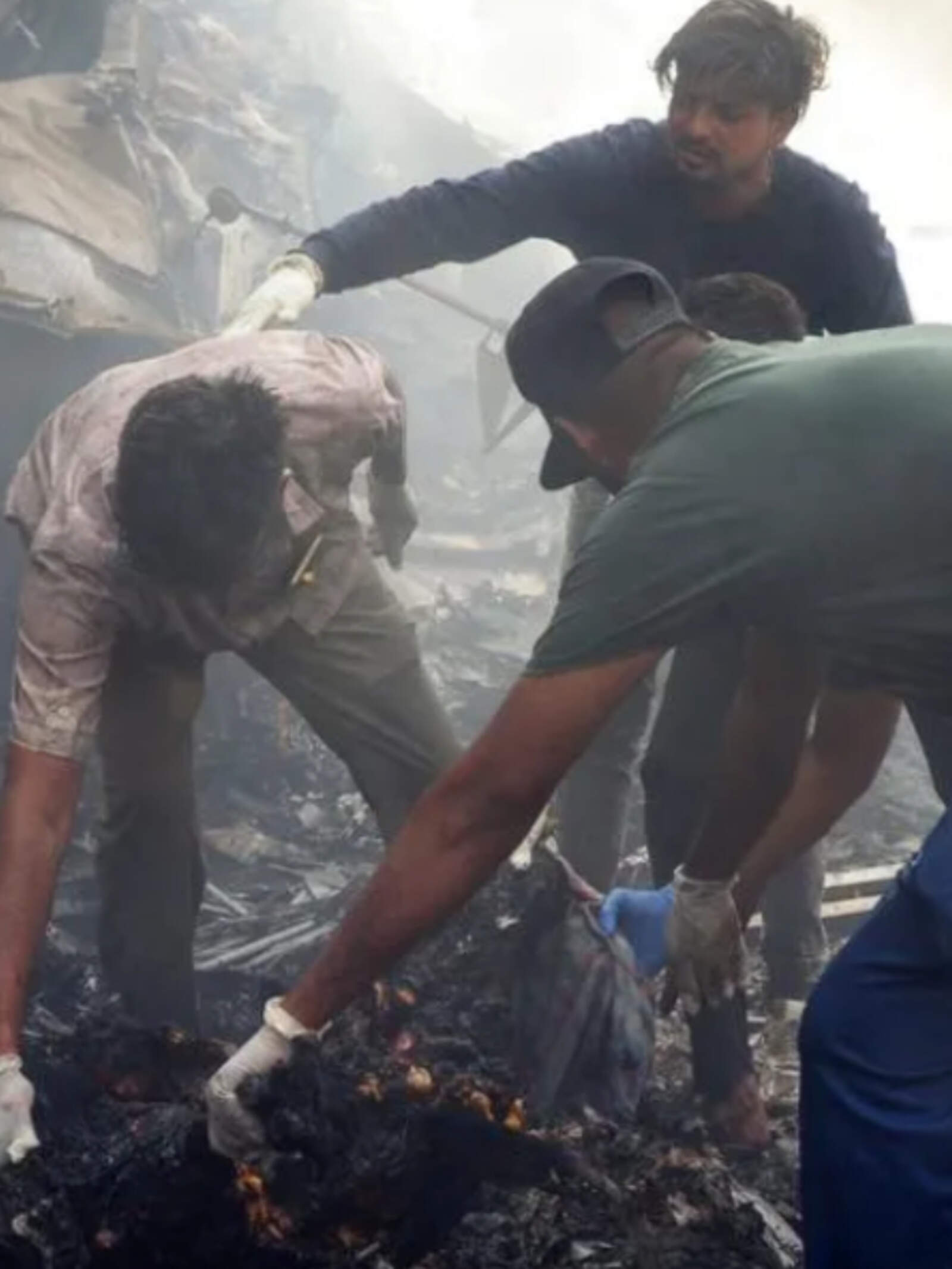
The tragedy was immediate. The plane was loaded with fuel, which caused a massive explosion. Columns of black smoke were visible for miles, while rescue teams tried to contain the fire and access the wreckage.
So far, 204 bodies have been found. Initially, authorities reported that there were no survivors, and Air India described the incident as a "tragic accident" in a brief statement.
What caused the air accident? Preliminary hypotheses
The causes of the crash have not yet been confirmed. However, some experts pointed to a possible bird strike.
Retired Captain Saurabh Bhatnagar told NDTV that, based on the way the plane began to descend after an apparently normal takeoff, it could be a case of multiple bird strikes to the engines.
That theory was supported by Sanjay Lazar, another aviation expert, who explained that the loss of power due to failures in both engines would have prevented the plane from surviving the critical first minutes of flight.
Both agreed that the plane, with only 11 years of service, had no known technical failures. The presence of birds in residential areas near the airport, they noted, is a factor that must be investigated.
Meanwhile, the airline activated an emergency center to assist the victims' families. Natarajan Chandrasekaran, chairman of Air India, expressed his sorrow and assured that all necessary support would be provided to those affected.