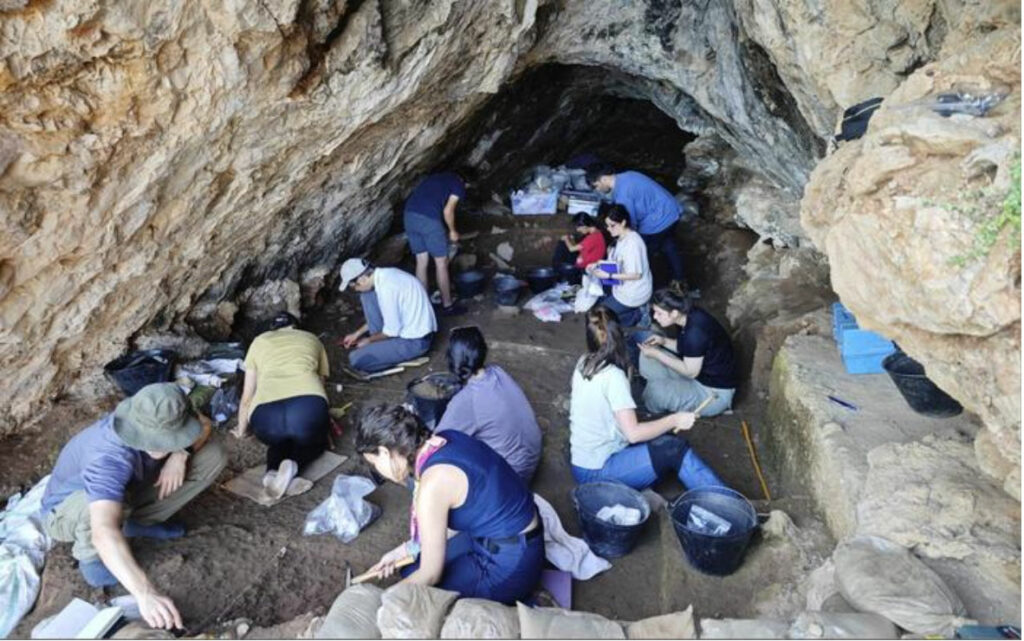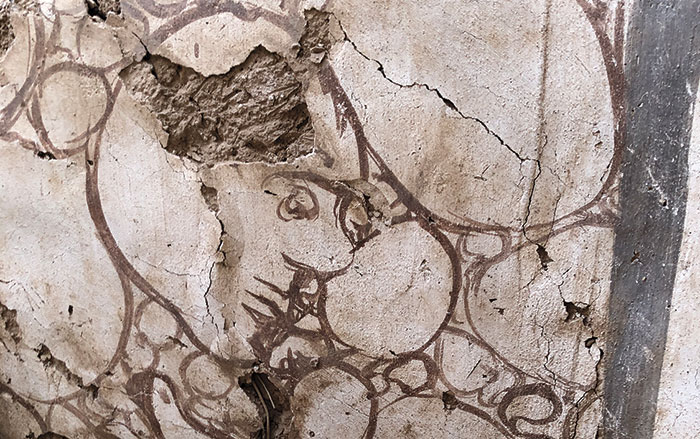

In southern Turkey, archaeologists discovered evidence that modern humans and Neanderthals coexisted and shared cultural practices for about 20,000 years. The finding, from the Üçağizlı II cave, shows that these two human groups used the same location at different times, with very similar hunting and gathering strategies and similar tool technologies.
Dating of the sediments indicates that Neanderthals occupied the site between about 77,000 and 59,000 years ago, while modern humans did so from 59,000 to 47,000 years ago. This temporal overlap in space usage suggests that they not only adapted to the same environment but likely had contact with each other.
Both groups gathered raw materials from the same sources and hunted the same animals, such as wild goats, common deer, roe deer, and wild boars. These similarities in lifestyle reinforce the idea of closer interaction than previously thought.
The Mystery of the Sea Shells
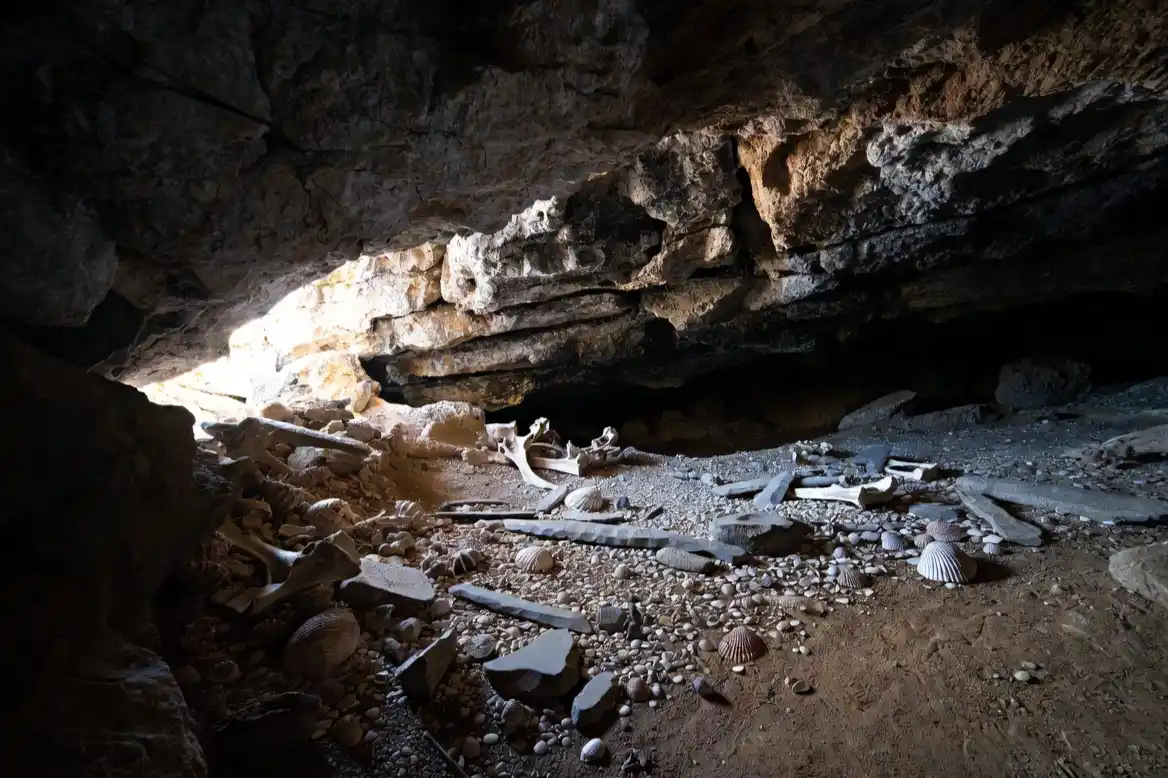
One of the most striking aspects of the study is the shared use of a specific sea shell. This mollusk had little nutritional value and was believed to be collected only by modern humans for use as ornamentation or symbol. Now, evidence indicates that Neanderthals also collected it, pointing to common symbolic preferences.

“Our findings indicate a profound level of cultural interaction,” noted Naoki Morimoto from Kyoto University. “These two distinct yet closely related human groups not only adapted to the same environment: they likely shared symbolic preferences,” he added.
Researchers conclude that Neanderthals and modern humans lived in the same region, maintained contact, and shared cultural elements. This changes the traditional view that presented them as completely separate and competing groups.