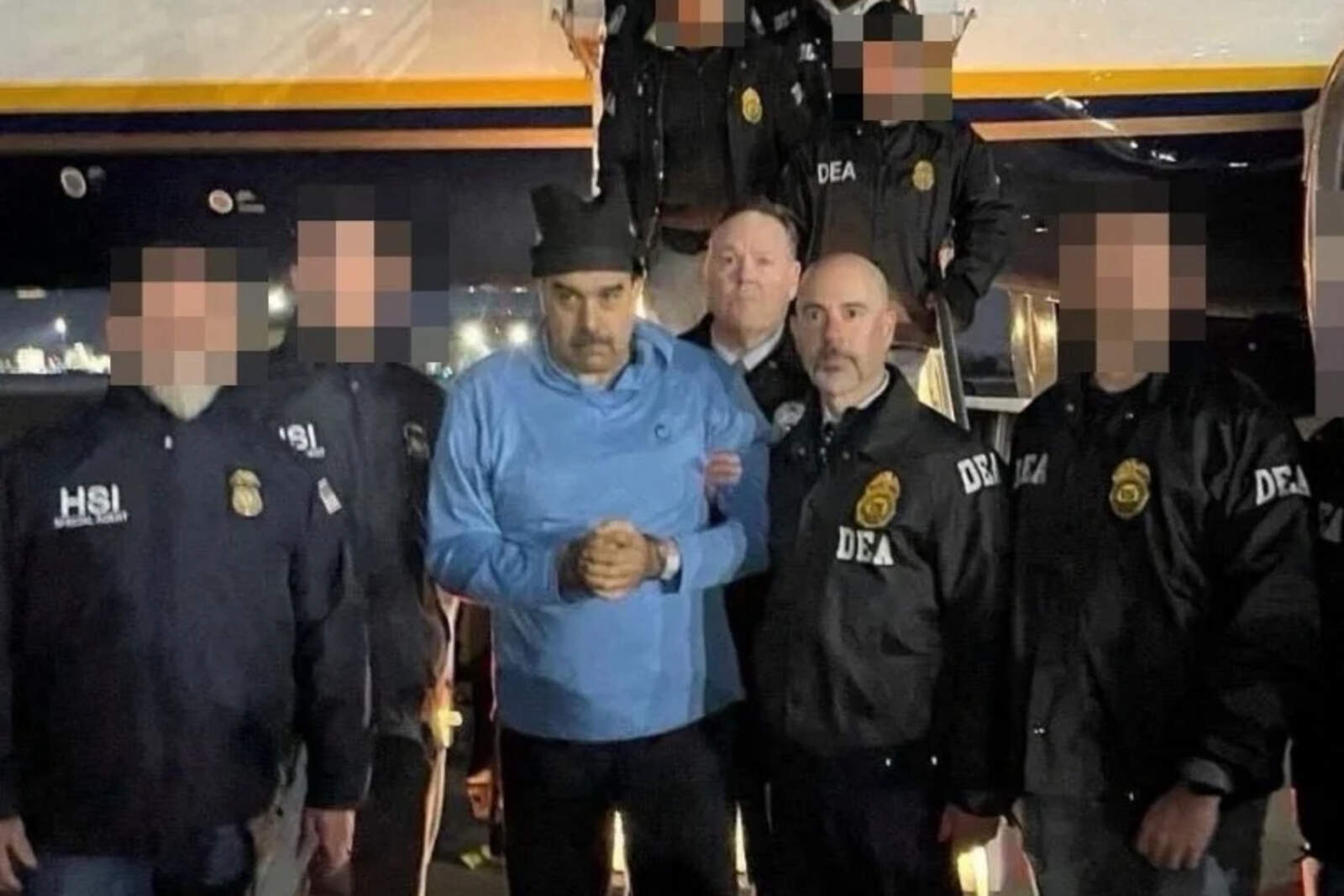
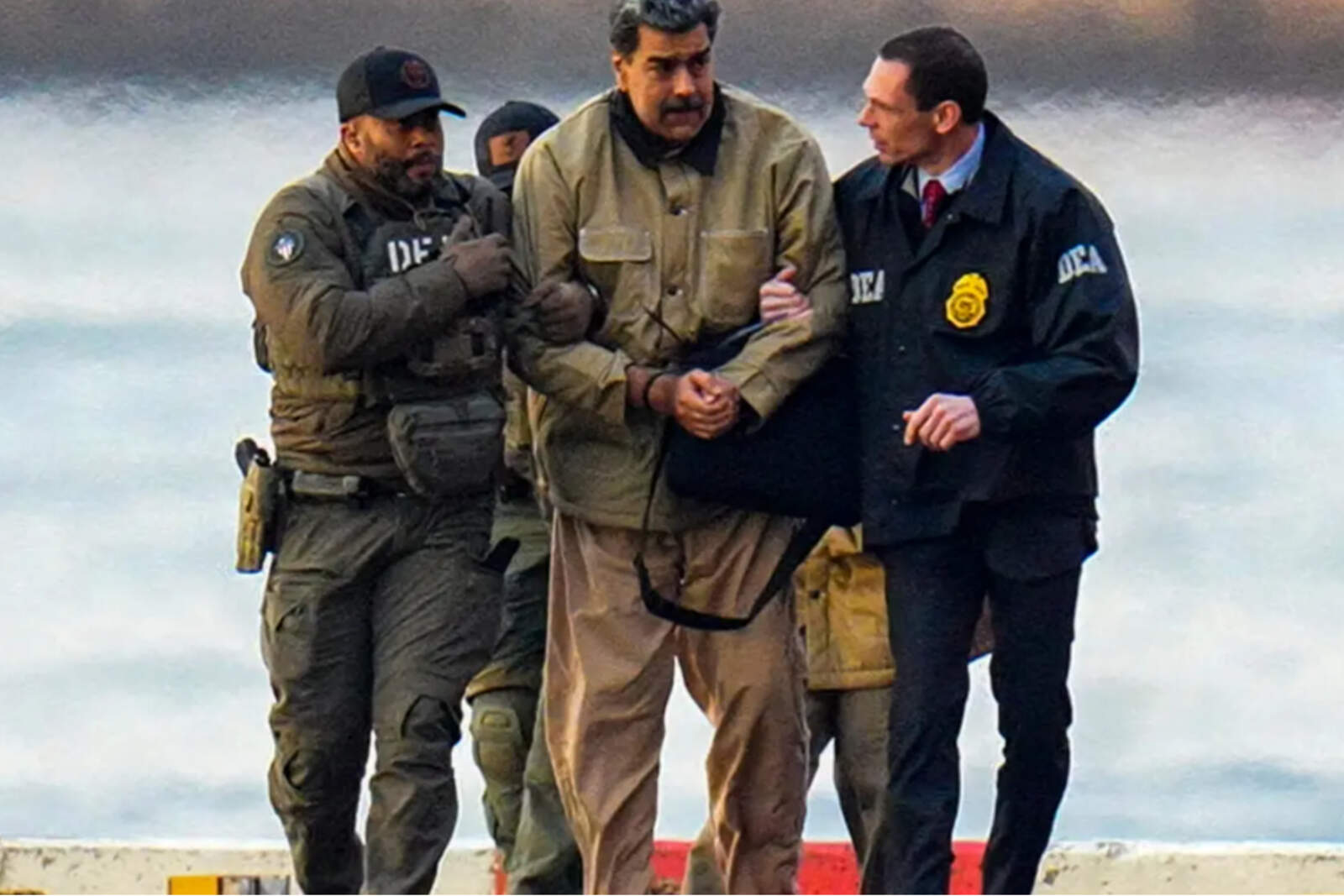
Former Venezuelan dictator Nicolás Maduro will remain in custody in a federal prison in New York and will have to appear again before the United States justice system on March 17, according to the decision of Judge Alvin Hellerstein after the first hearing held this Monday in a federal court in Manhattan.
During the hearing, Maduro faced four federal charges, mainly linked to international drug trafficking, and pleaded not guilty. Dressed in a prison uniform, an orange T-jersey and beige pants, the Chavista leader insisted on a victimhood staging by claiming that he is still the president of Venezuela and that he was "kidnapped" during the United States operation that led to his capture.
"I am not guilty, I am a decent man, I am still the president of my country," he stated in Spanish before the magistrate, before describing himself as a "prisoner of war". The judge interrupted his statement and asked him to limit himself to confirming his identity, clarifying that later he will be able to make the statements he deems appropriate.
El presidente Trump celebró la salida del demócrata
Drug trafficking charges and family reach
The formal accusation is not limited to Maduro. It also extends to his wife, Cilia Flores, who pleaded not guilty, and to other central figures of Chavismo, among them:
Nicolás Maduro Guerra ("Nicolasito")
Diosdado Cabello, interior minister
A drug kingpin currently on the run
All of them are accused of their alleged participation in a cocaine trafficking network to the United States, one of the financial pillars of the Chavista regime for years.
Mientras la izquierda llora, los venezolanos festejan
Political transition and Washington's support
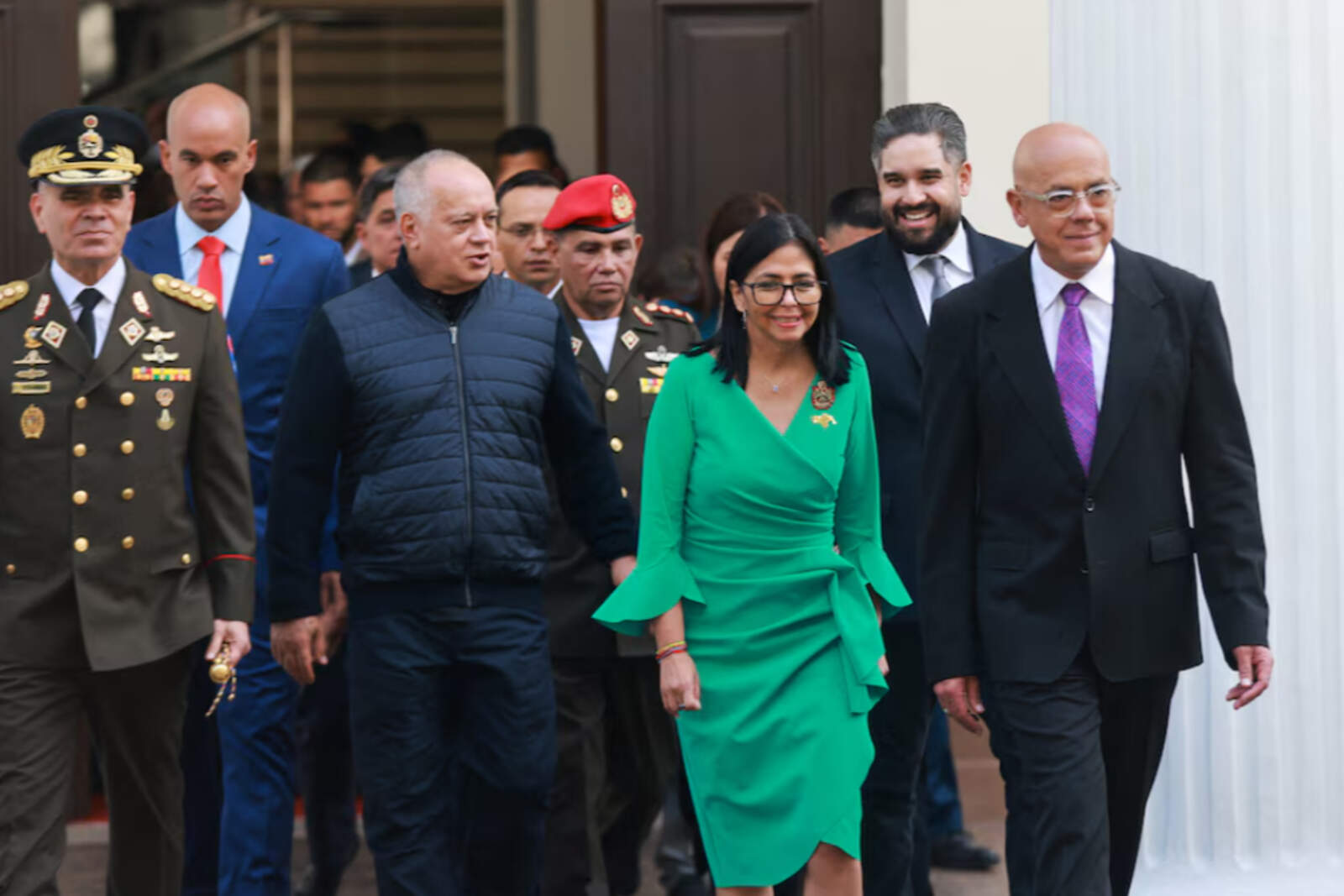
The hearing coincided with the installation of the new Parliament in Caracas, where Delcy Rodríguez was sworn in as president of the Chavista regime, after an order from the Supreme Court of Justice that assigned her an initial 90-day mandate, extendable. Rodríguez, until now vice president, was placed at the head of the Executive in a context of extreme political fragility.
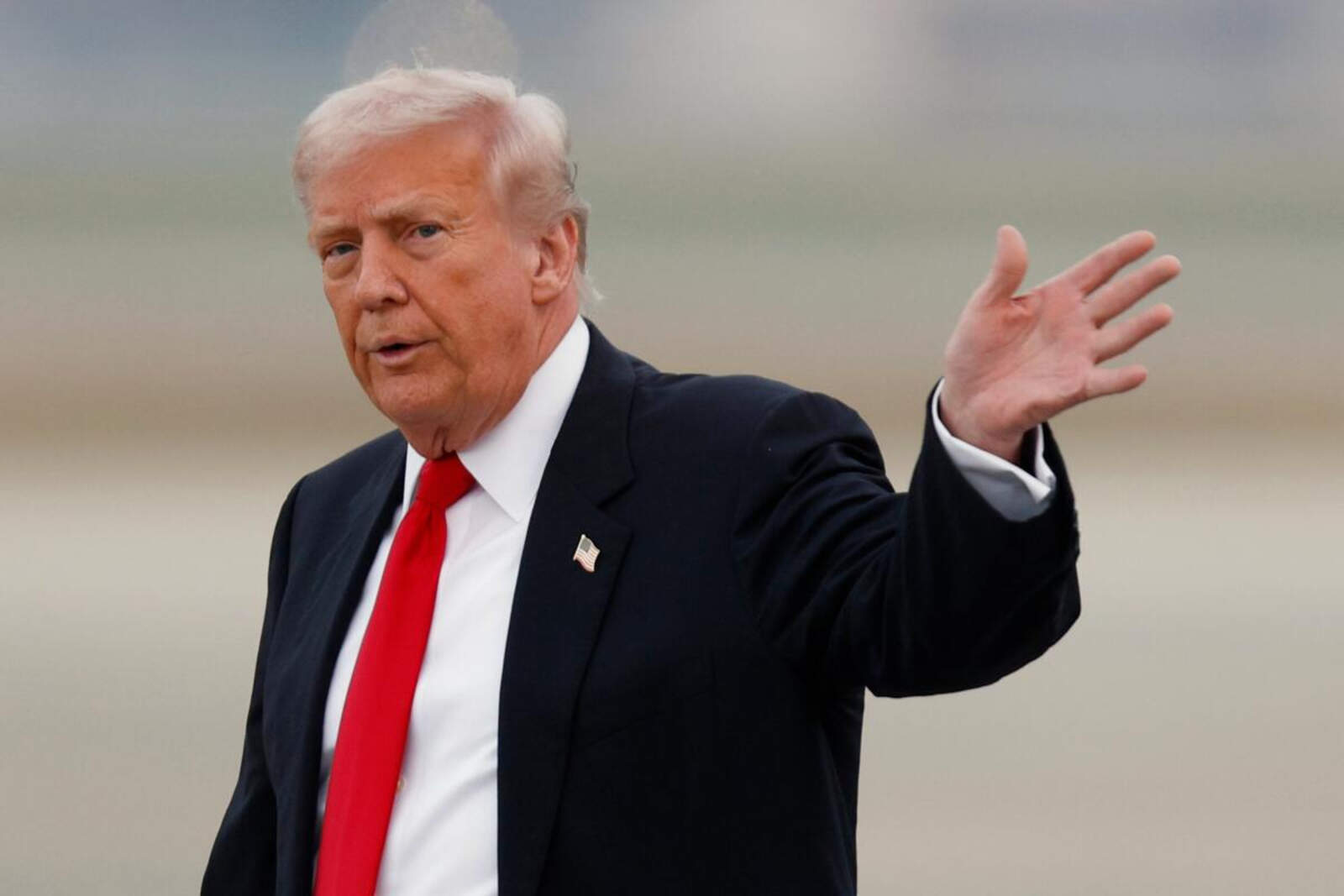
In parallel, President Donald Trump confirmed that the operation that ended with Maduro's capture was carried out without the collaboration of the Chavista entourage, although he acknowledged that there were negotiation attempts to facilitate the transition.
El chavismo decretó el Estado de Conmoción Exterior y habilitó detenciones masivas
"No, that is not the case," Trump replied when asked about a possible prior coordination with Rodríguez. Nevertheless, he pointed out that the current president of the regime "has been cooperating" and that Washington will assess whether it keeps or lifts the sanctions depending on her behavior.
Oil, stability, and strategic realism
Trump again stressed that the reconstruction of the Venezuelan oil industry will be a central axis of the stage after Chavismo. As he explained, United States companies could restore the energy infrastructure in less than 18 months, with private investments reimbursable through future revenues.
Las acciones de Chevron se elevaron en un 8%
Among the points highlighted by the president:
Venezuela has more than 300,000 million barrels of reserves
The energy recovery would help lower the global price of crude oil
No additional funds from the United States Treasury would be committed
Although companies such as Exxon Mobil, Chevron, and ConocoPhillips remain cautious due to precedents of expropriations, Energy Secretary Chris Wright will begin key meetings to define a secure investment framework.
No immediate elections and warning to the regime
Trump flatly ruled out the possibility of elections in the short term. "We have to fix the country first. There is no way people can vote", he stated, and he warned that the United States is prepared to intervene again if the regime stops cooperating.
Meanwhile, Maduro's detention in New York marks a historic turning point: for the first time, the main person responsible for Chavismo is facing international justice, in a process led by the United States and supported by governments aligned with the West, among them Argentina under Javier Milei.