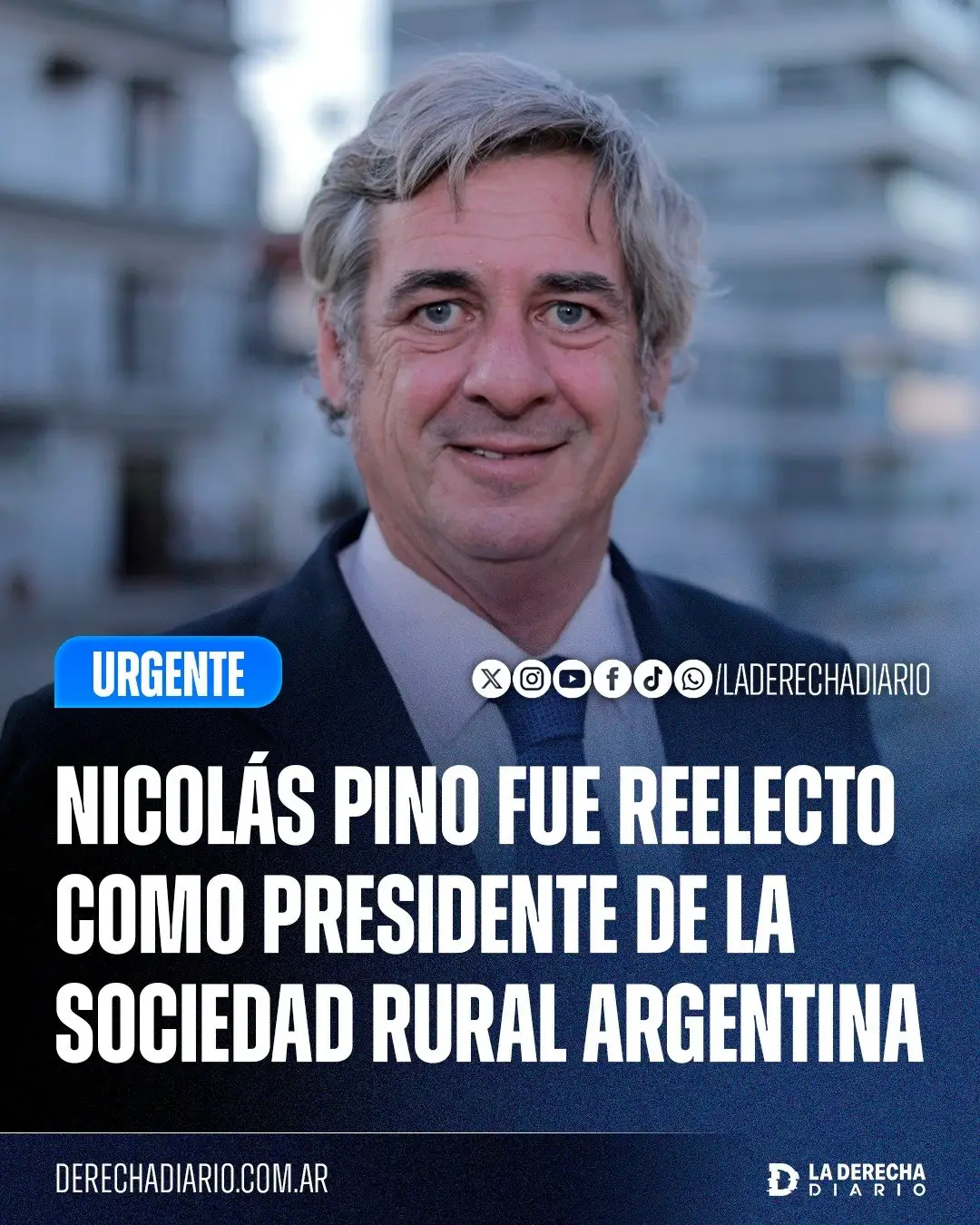
Pino was reelected to lead the Argentine Rural Society with 70% of the votes and will head the organization during the 2026-2028 term, after defeating Marcos Pereda and winning in 13 of the 14 districts
On the other hand, the opposing list Renewal with Unity was presented under the leadership of Marcos Pereda, accompanied by Santos Zuberbühler, with the aim of provoking a change in leadership and sending a signal of institutional renewal. During the campaign, Marcos Pereda maintained that there was a prior political commitment to ensure alternation in the presidency after completing three terms.
The election ended the most contentious internal struggle in recent years between Nicolás Pino and Marcos Pereda, who had jointly reached the leadership of the SRA after winning the 2020 election and formally assuming on June 1, 2021 due to the coronavirus pandemic.
The Rural SocietyArgentina (SRA), one of the institutions with the greatest political and economic weight of the national agro sector, brings together around 3,900 members and has a federal structure of 14 districts to manage its leadership for the period 2026-2028. In elections that concluded one of the most intense campaigns in its 160 years of history, the current president Nicolás Pino achieved reelection by winning decisively at the polls. The institutional day saw the total participation of 2,229 voters, confirming the victory of Nicolás Pino with 1,441 votes (70%), against his rival Marcos Pereda, who garnered 592 votes (30%).
The reelected head of the SRA will be accompanied in the vice presidency by Carlos Odriozola, Agricultural Engineer, agricultural producer, director of the entity, and coordinator of the Meat Commission. The officialization of this formula was presented by the ruling party as the continuation of a work team with deep knowledge of the institution's operations.
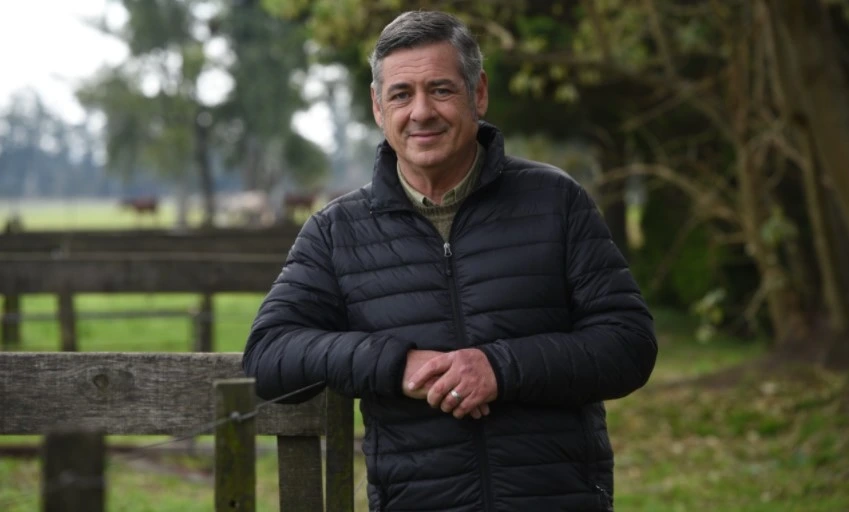
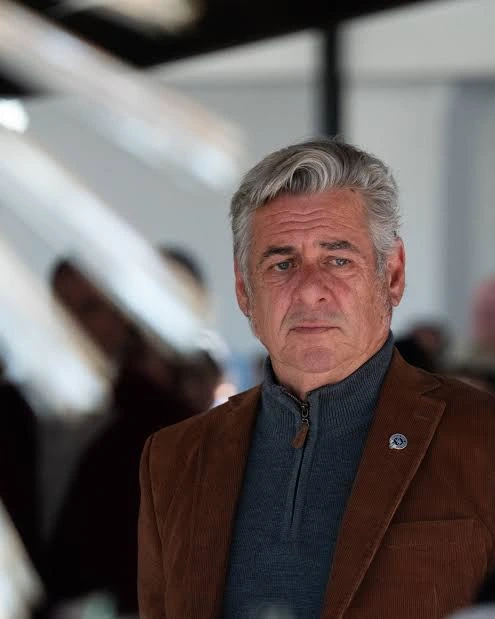
Nicolás Pino, President of the Rural Society
At the territorial level, the ruling list Federal Presence, led by Nicolás Pino, displayed a broad dominance by winning in thirteen of the fourteen districts in which the SRA is organized. The only adverse result for the ruling party was recorded in district 7, corresponding to the province of Entre Ríos, led by director Juan Diego Etchevehere, a member of the opposing list. The electoral process was also highlighted by the implementation and extension of electronic voting, whose platform remained open for 58 days, a period longer than that of the previous election.
The victory of Nicolás Pino reaffirms an institutional strategy based on territorial presence, dialogue with various political and economic actors, and a firm defense of the sector's productive demands. During the campaign, Nicolás Pino maintained a fluid relationship with the administration of President Javier Milei and publicly stated that the ultimate goal of the entity should be to achieve "zero withholdings".
The leader considered that macroeconomic stabilization and the measures adopted by the Government created better conditions to discuss the productive future, insisting that the tax burden on agriculture must continue to decrease.
In his balance and management platform, the proposal of Federal Presence included the relocation of the institutional headquarters, the sanitation of finances, greater presence of the Board of Directors in the interior, and the modernization of genealogical records, a key historical service for the registration of pedigree animals.
Nicolás Pino, President of the Rural Society
Furthermore, the reelected leadership reaffirmed demands aimed at improving infrastructure, obtaining better financing conditions for producers, and completing the technological modernization of the institution.
After winning again in 2022, the political partnership between the two broke down and led to a direct contest that went beyond rural debates to address personal issues that, according to some members, may have affected the prestige of the century-old entity.
Nicolás Pino, President of the Rural Society
The institutional conflict centered on the interpretation of the Rural Society statute, modified in 2023 to set a limit of three consecutive terms in the presidency.
While Marcos Pereda interpreted that the rule prevented Nicolás Pino from running for a fourth term, the reelected president maintained from the beginning that the terms should be counted from the entry into force of the reform and not retroactively.
With the polls closed, the article written by journalist Carina Rodriguez concludes that internal differences must find an institutional channel within the entity