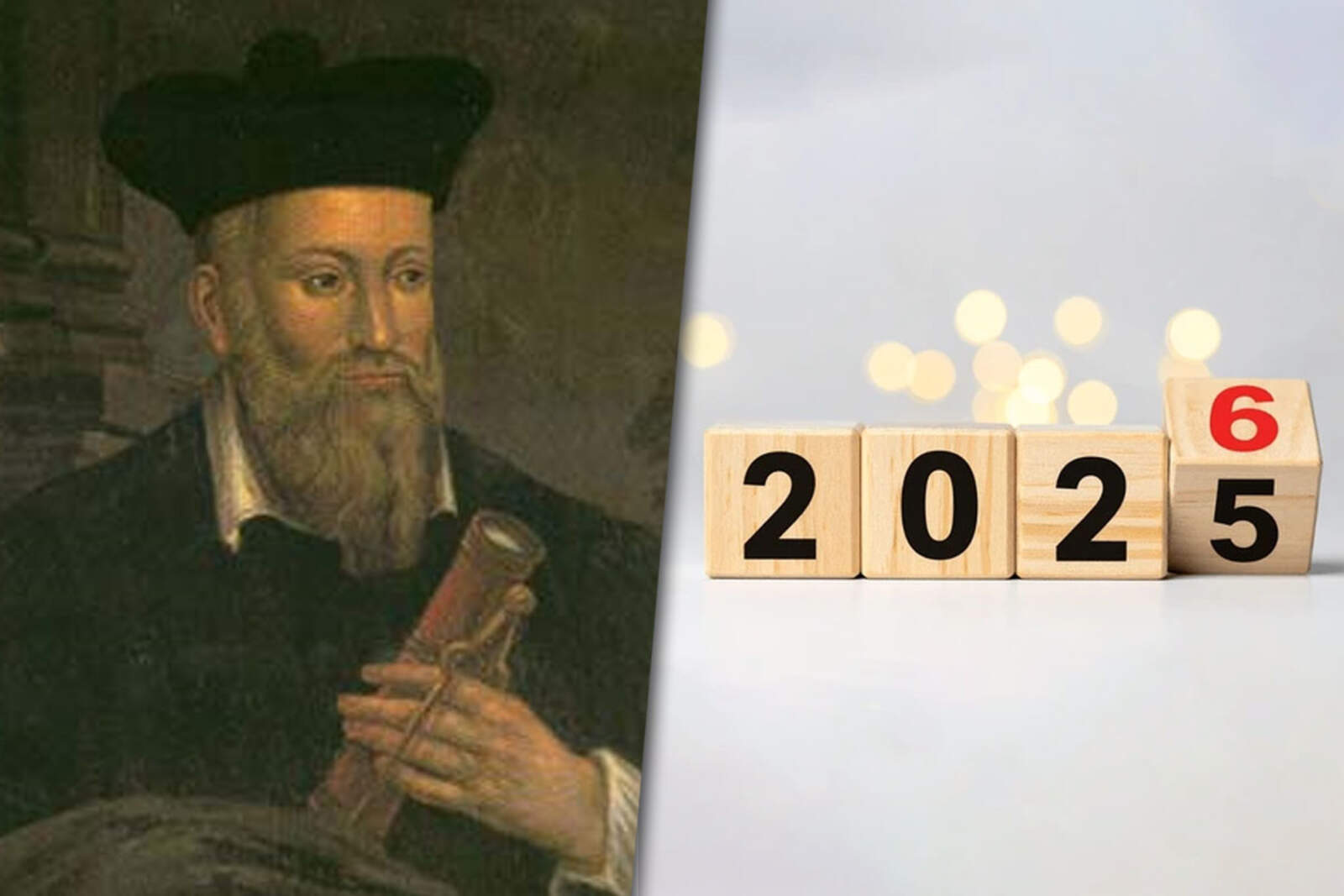

Every end of the year reactivates a ritual that mixes curiosity, fear, and expectation. While many people focus on wishes and projects, others turn their gaze to prophecies by Nostradamus, which have reappeared for centuries when the calendar is about to change.
In a global context marked by conflicts and recent health crises, interpretations of what the year 2026 could bring are gaining strength again and generating concern.
Who Nostradamus was and why he remains relevant
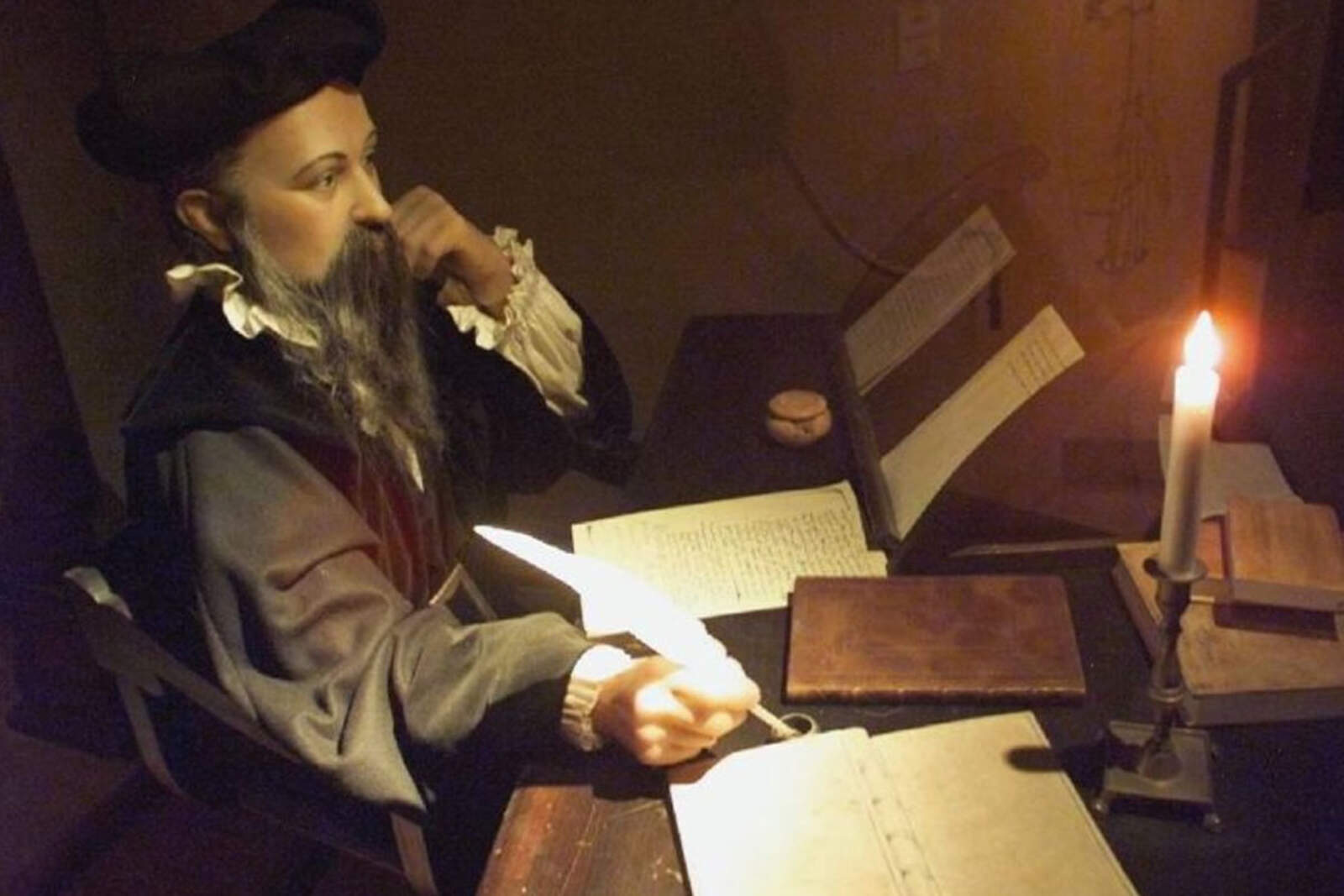
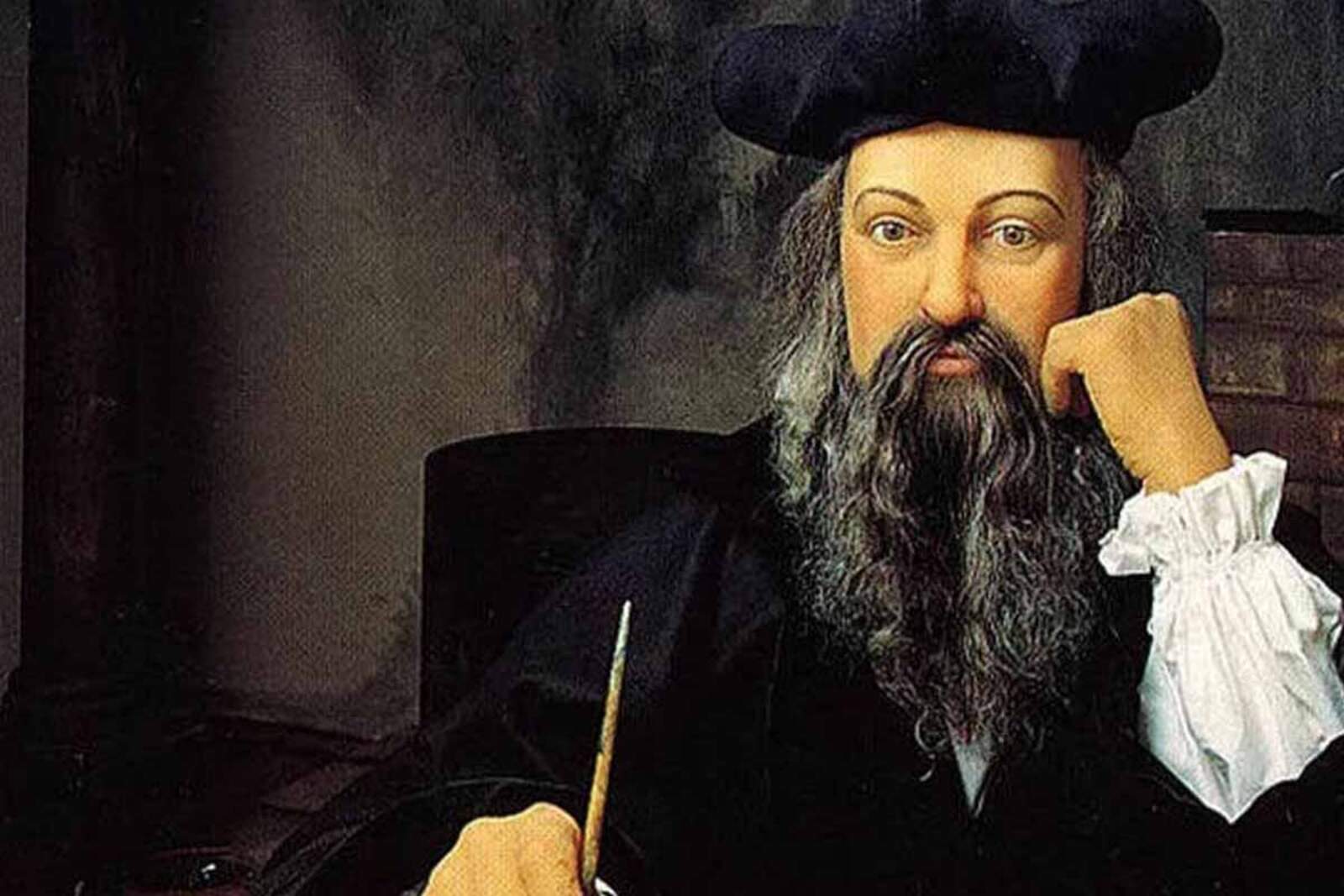
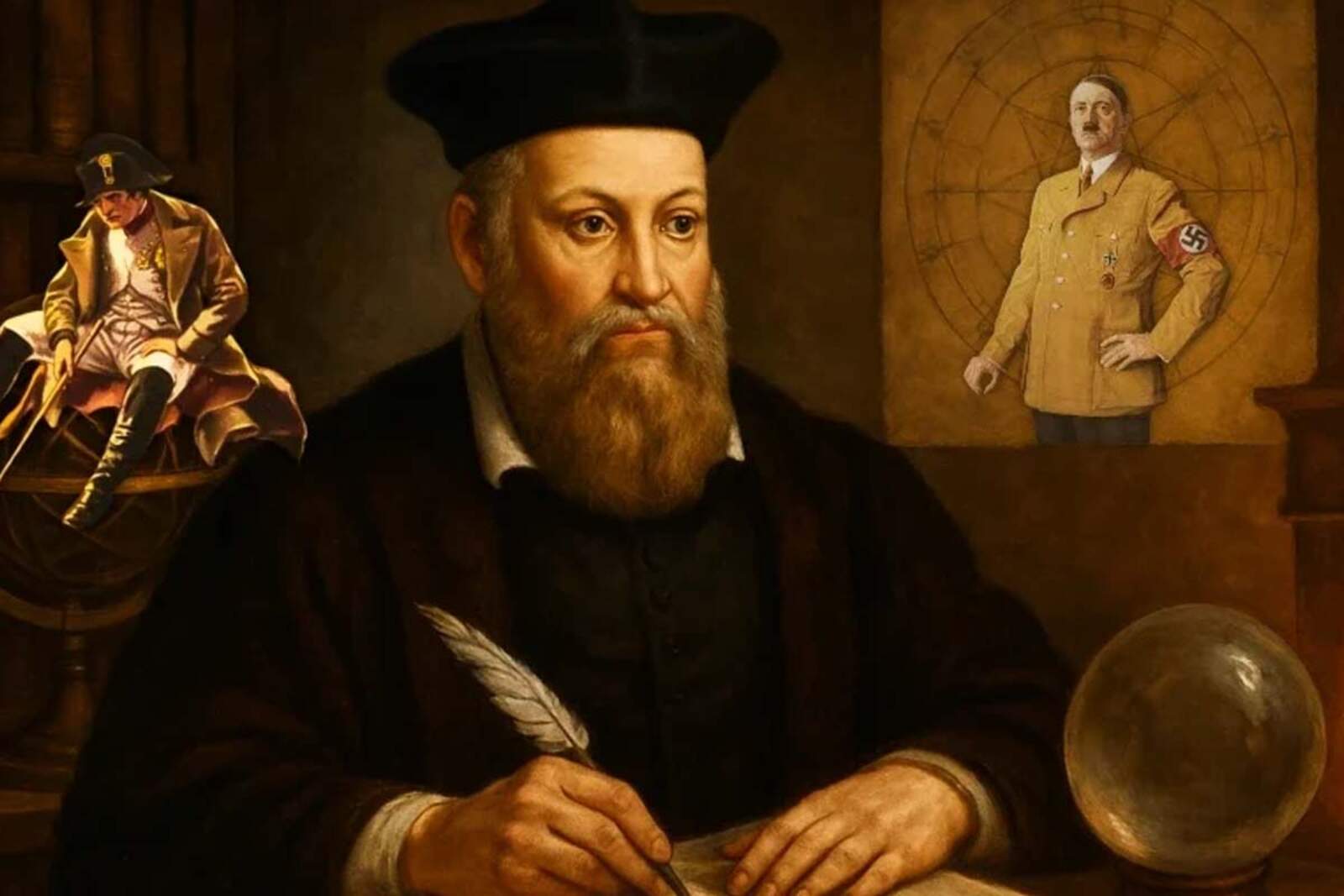
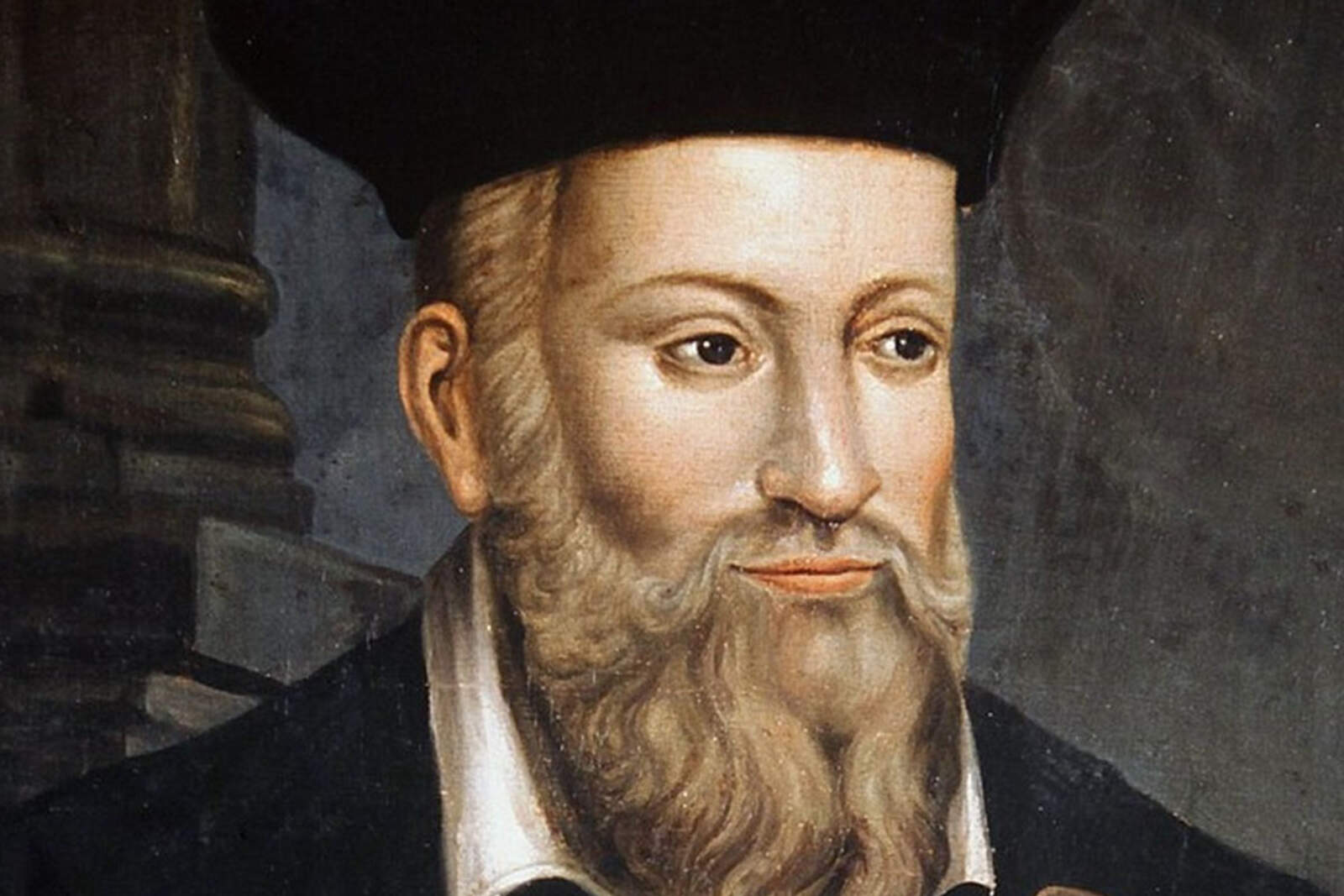
Michel de Notre-Dame, known as Nostradamus, was born in France in 1503 and was a physician, alchemist, and astrologer. His fame is due to the Centuries, books composed of cryptic quatrains that many people interpret as announcements of the future.
His followers maintain that he anticipated events such as world wars, assassinations of heads of state, and catastrophes. His detractors, on the other hand, claim that his verses are so ambiguous that they allow any interpretation.
How his predictions are interpreted
Nostradamus's quatrains are written in symbolic and open language. That ambiguity allows each generation to adapt them to the events of its era.