Ofelia Fernández endorsed the mass release from prison; among the beneficiaries was one of those responsible for the murder
Compartir:
During the pandemic, Ofelia Fernández was one of the main Kirchnerist voices who justified the mass release of prisoners, including rapists, murderers, and drug traffickers. Five years later, one of those who benefited from the measure ended up allegedly involved in the triple murder that shocked La Matanza.
In April 2020, while Alberto Fernández's government was releasing thousands of criminals under the argument of "preventing contagion in prisons," then Buenos Aires legislator Ofelia Fernández published a video on social media in which she tried to downplay the official decision by assuring that "it was not freedom, but house arrest." In practice, this policy allowed more than 10,000 prisoners to regain their freedom, including those convicted of homicide and rape.
Ofelia Fernandez en el pólemico vídeo.
Luis Enrique Cueva Luján, a Peruvian drug trafficker accused of being the owner of the drugs involved in the triple murder in La Matanza, was one of those released during the pandemic thanks to that mass release scheme. Cueva Luján had been arrested years earlier and regained his freedom as part of the measures promoted by Kirchnerism under the health pretext of COVID-19.
After the brutal murder of three young people linked to drug trafficking in Greater Buenos Aires, the Minister of Security, Patricia Bullrich, condemned the incident and pointed directly at the revolving door policy:
"The drug trafficker who owned the drugs in the triple murder: released under the pretext of the pandemic and protected by the pro-criminal Kirchnerist doctrine. When a government admits it has lost the fight against drug trafficking, these things happen. Our way of working is clear: we're going to find him and we're going to put him in prison. Whoever does it, pays for it. Whoever it may be," she wrote on her X account.
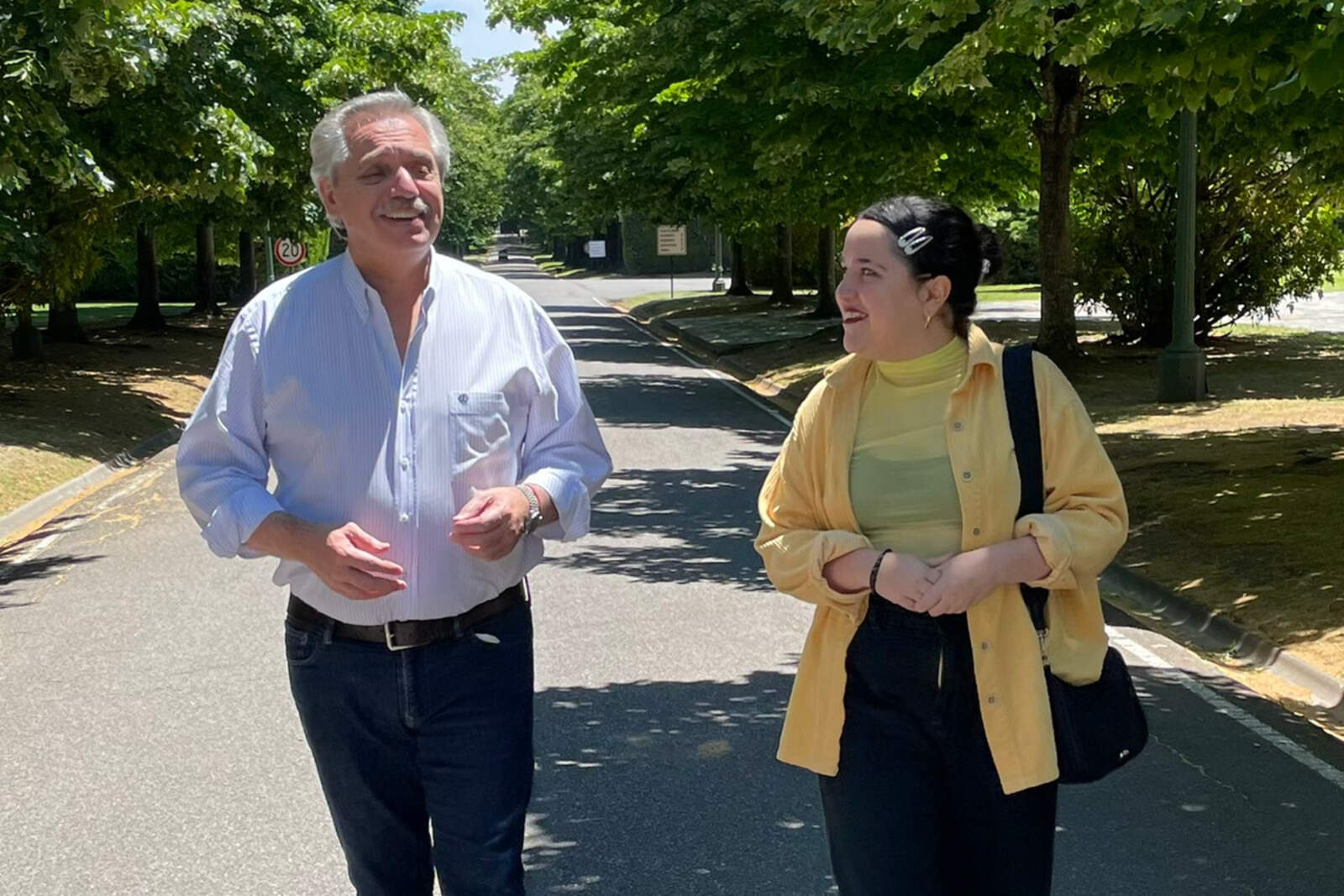
Ofelia junto al violento Alberto Fernández.
The case has reopened the debate about the consequences of those decisions made during Alberto Fernández's government and defended by leaders like Ofelia Fernández, who claim to care about women and take measures against their integrity, who at the time dismissed warnings about the risks of releasing criminals and murderers.
The pro-criminal Zaffaronist doctrine of Kirchnerism once again shows its most serious effects: one of the beneficiaries of those releases ended up being the main suspect in a triple homicide that is shaking the country.