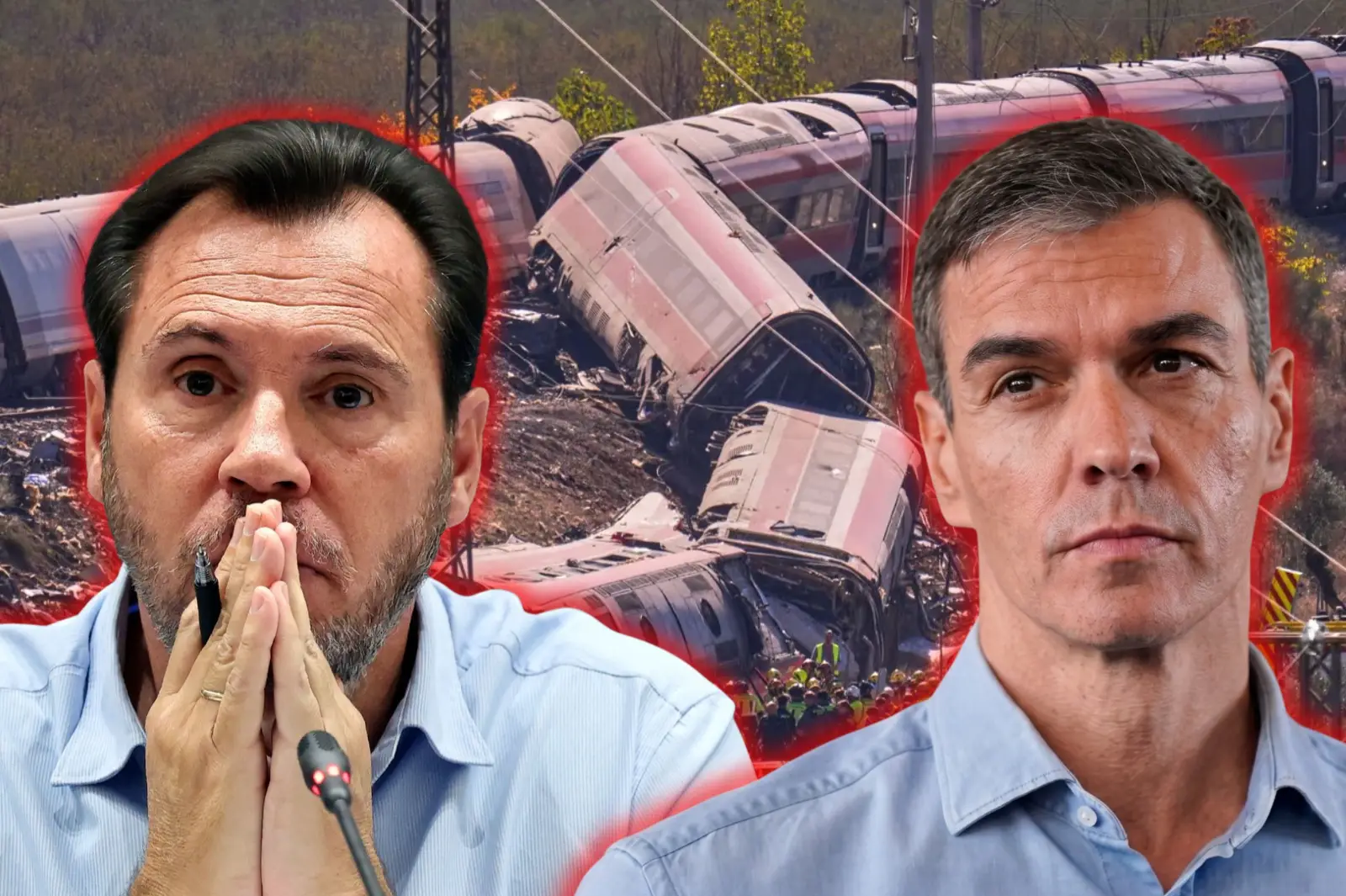
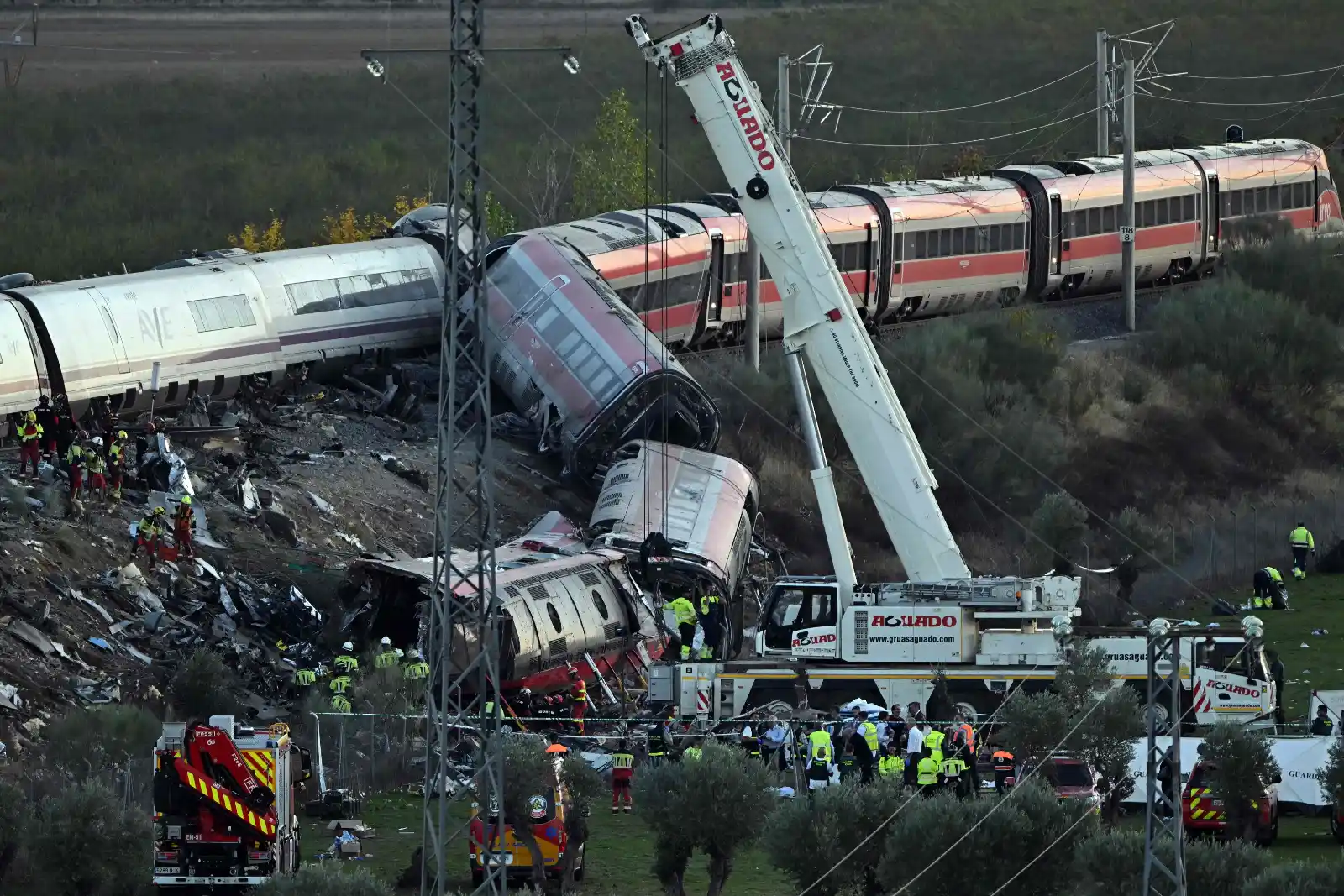
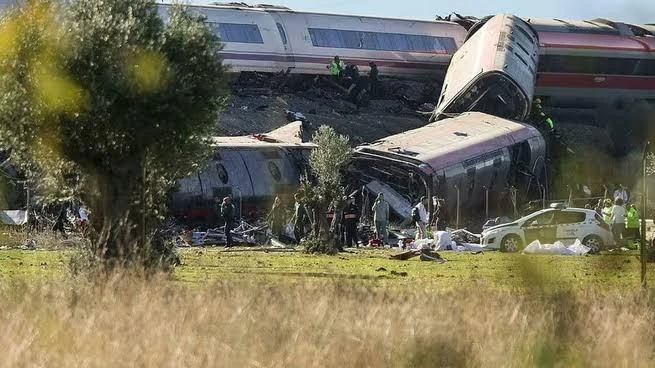
The Minister of Transport and Sustainable Mobility of Spain, Óscar Puente, rejected calls to resign following the serious railway accident that occurred on Wednesday, which left at least 69 dead and dozens injured.
Despite the magnitude of the tragedy and the questions regarding political responsibilities, the official of the socialist Pedro Sánchez stated that he will continue in his position and defended his decision to remain in charge of the ministry.
During a press conference held this Friday at the Ministry, Puente stated that "my way of taking responsibility, you know well, is to face it", in response to criticism from the entire opposition regarding the two serious railway accidents recorded in less than a year, which together left more than a hundred fatalities.
The accident.
The minister acknowledged that the public demands explanations, although he asked to wait for the results of the investigation. In this regard, he pointed out that the initial indications suggest a presumed failure in the Adif control center as the main cause of the collision between two high-speed trains traveling on the same track.
"I am not going to use any worker as a shield nor to harm responsibilities before that investigation concludes, but I will also not allow the demand for accountability to be confused with the need to quickly find a culprit", he stated.
Puente also dismissed that his continuity is under discussion at this moment. "I am not going to hide behind anyone, among other things because I have nothing to hide", he maintained. Furthermore, he confirmed that he has the support of the president of the Government, Pedro Sánchez, to remain in office.
The accident.
The railway failures and Puente's explanations
During his appearance, the minister reported that the LZB railway safety system recorded 170 incidents during 2026. He defended that the figure is within the "usual parameters of Europe". However, he acknowledged that it is still unknown what caused the communication failure with the system.
Finally, he assured that individual responsibilities will be demanded if the investigation proves failures in controls or in the organization. Nevertheless, he again dismissed an early exit from the Ministry: "I don't think that will happen, and therefore I will continue trying to fulfill my duty".
The serious accidents in Spain
So far in 2026, Spain has suffered two major and unprecedented fatal accidents in its high-speed rail network, in addition to other incidents on conventional lines. Until this year, the Spanish high-speed network had not recorded any deaths since its inauguration in 1992.
The recent tragedy is compounded by the one in January of this year, when an Iryo train traveling from Málaga to Madrid derailed due to a prior fracture in the rail and invaded the adjacent track, colliding head-on with an Alvia train from Renfe heading to Huelva. The tragedy left 46 people dead and more than 100 injured.