The conservative president of Poland assured that the country will adopt a new defense strategy in the face of Russia's growing threat
Nuevo
Agregar La Derecha Diario en
Compartir:
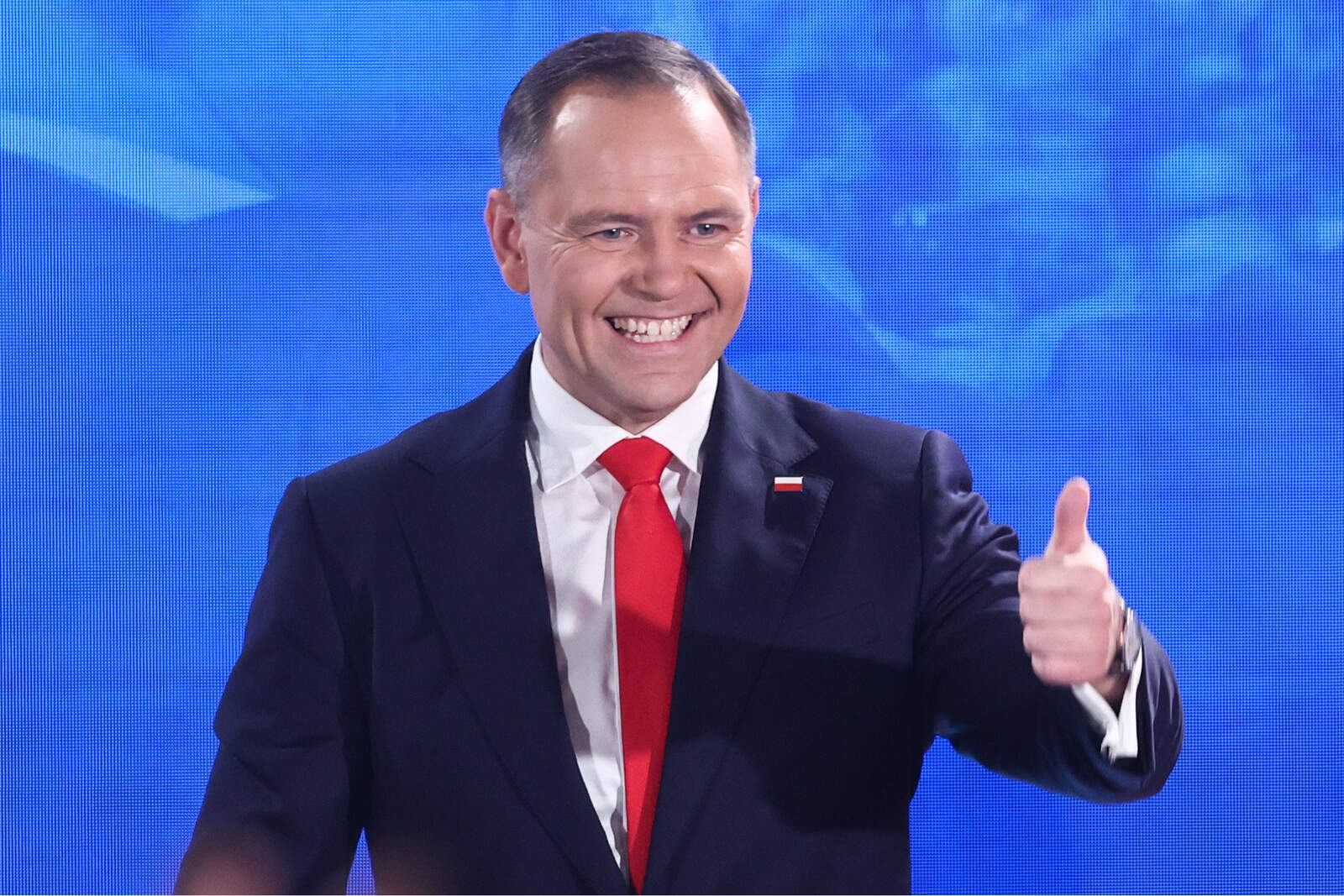
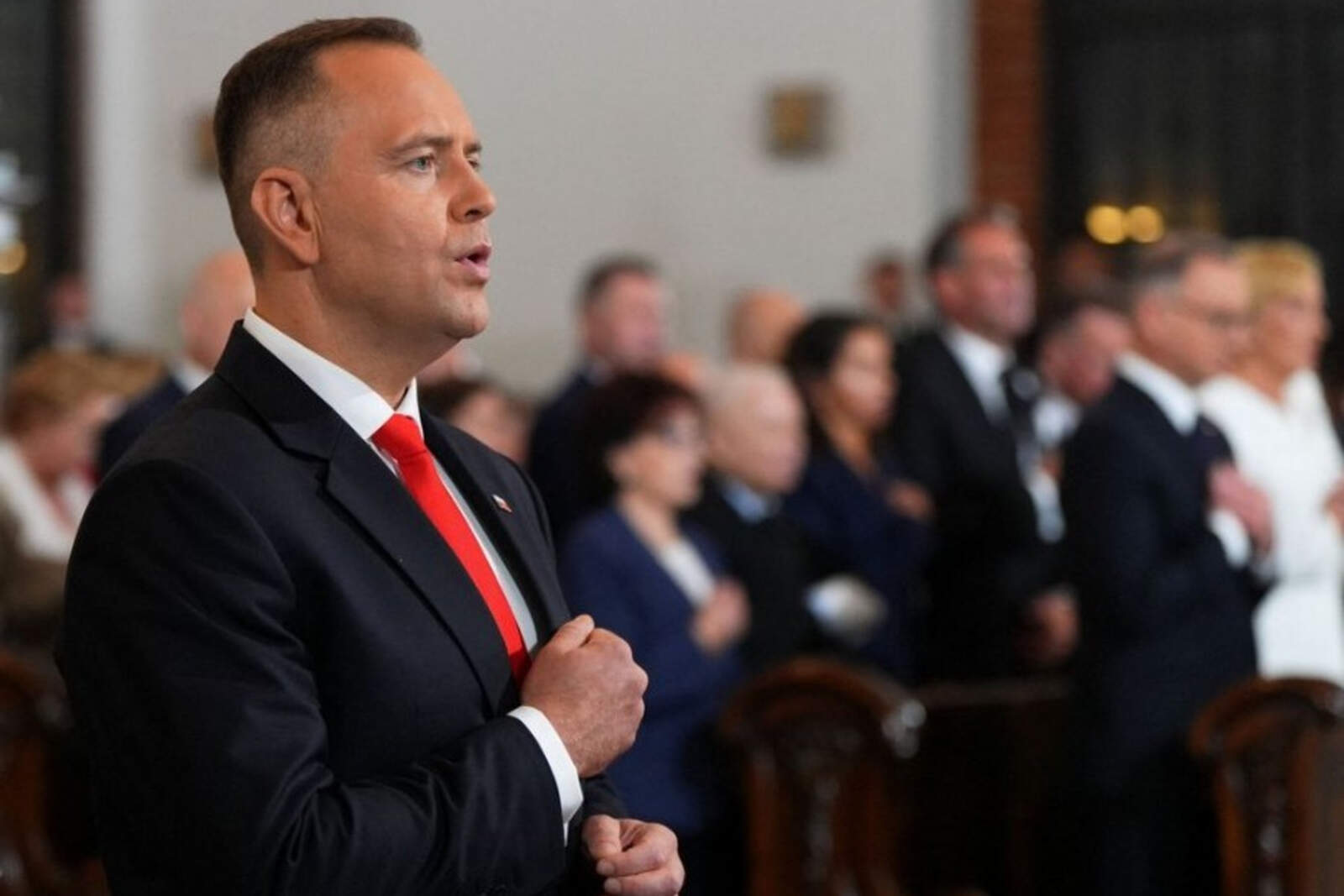
Poland's president, Karol Nawrocki, stated that his country should move toward developing nuclear capabilities as part of a new national security strategy in the face of the threat from Russia.
In an interview, the head of state described himself as "a strong supporter" of Poland joining a nuclear project and emphasized that defense policy must be based "on nuclear potential," always in compliance with international regulations.
Nawrocki maintained that Poland's geographical position, bordering the war in Ukraine, forces Warsaw to rethink its security guarantees. "We are a country right on the edge of an armed conflict. Russia's aggressive and imperial attitude toward Poland is well known," he declared.
When he was asked about a possible Kremlin reaction to a Polish nuclear program, the president was blunt: "Russia can react aggressively to anything."
Nawrocki señaló la peligrosidad del conflicto entre Rusia y Ucrania para demostrar la necesidad de Varsovia de contar con armas nucleares
The president's statements come in a context of growing debate in Europe about the need to strengthen deterrence against Moscow and the perception that the strategic protection of the United States might not be as predictable as in the past.
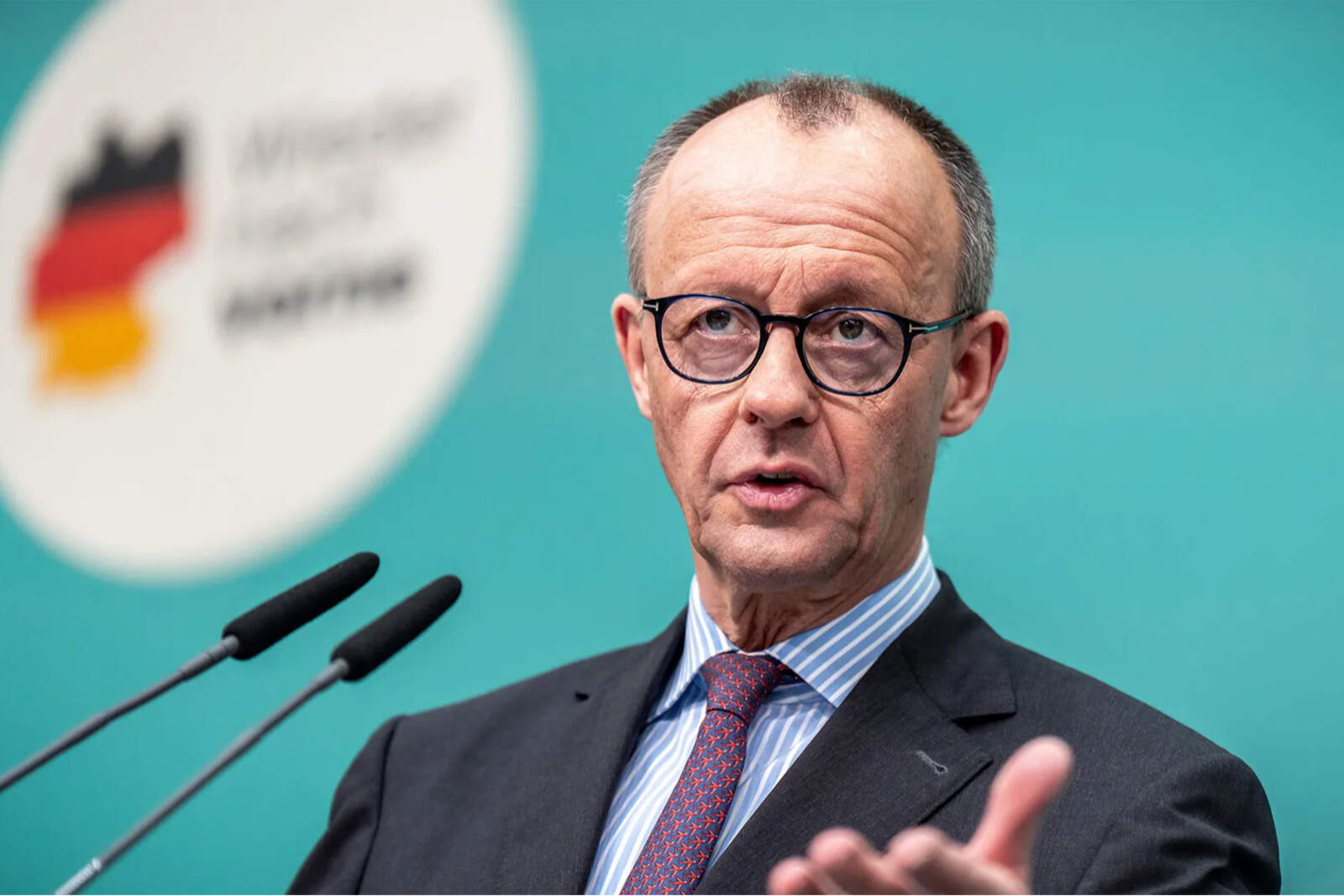
During the Munich Security Conference, Latvia's prime minister, Evika Siliņa, stated that "nuclear deterrence can give us new opportunities," while Germany's chancellor, Friedrich Merz, confirmed that there are talks with France about a possible reinforcement of European nuclear deterrence.
In this scenario, Poland could explore different ways to strengthen its strategic autonomy, even seeking greater room for maneuver with respect to the European Union.
Merz declaró previamente que existen negociaciones entre Francia y Alemania para desarrollar un programa nuclear europeo
One option would be to integrate more actively into "nuclear sharing" mechanisms within NATO, which would make it possible to host allied nuclear weapons under joint agreements without developing an arsenal of its own. This formula would strengthen its deterrent capability without violating the commitments of the Non-Proliferation Treaty.
Another alternative would be to promote a more sovereign defense strategy, increasing military spending, developing national technological capabilities, and deepening bilateral alliances with European nuclear powers.
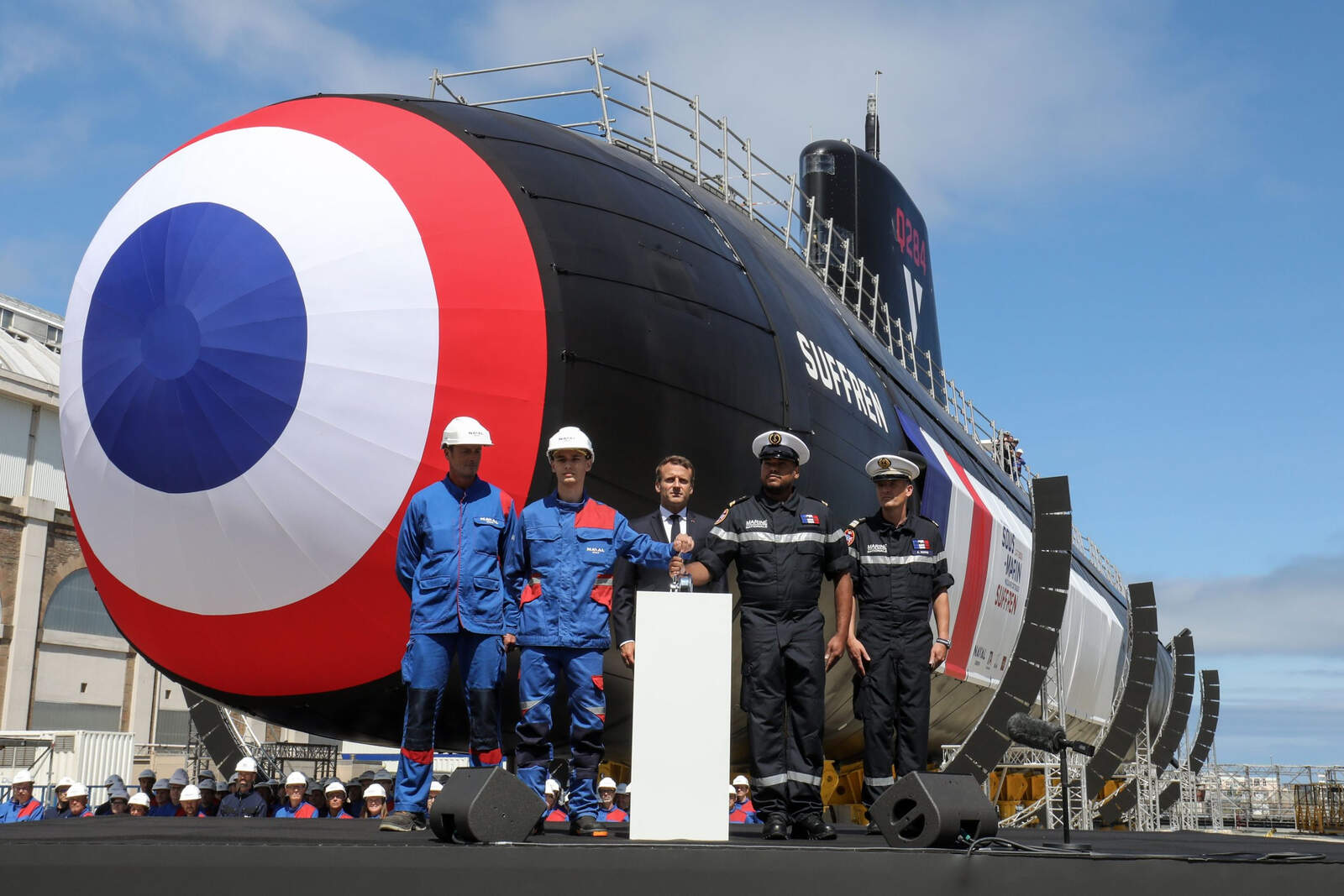
In that context, Warsaw could promote an explicit expansion of the French nuclear umbrella toward Eastern Europe or participate in building a regional deterrence framework that is less dependent on Washington and on community structures.
Polonia también consideró la extensión del programa nuclear francés hacia Europa del Este
Nawrocki's stance reflects a shift in the European strategic debate, shaped by the war in Ukraine and growing distrust toward Moscow.
For Poland, whose history is marked by invasions and partitions, the pursuit of greater security guarantees is not just a temporary issue but a structural priority. The real scope of that ambition, whether within the European framework or through greater national sovereignty, will define Warsaw's role in the continent's security architecture in the coming years.