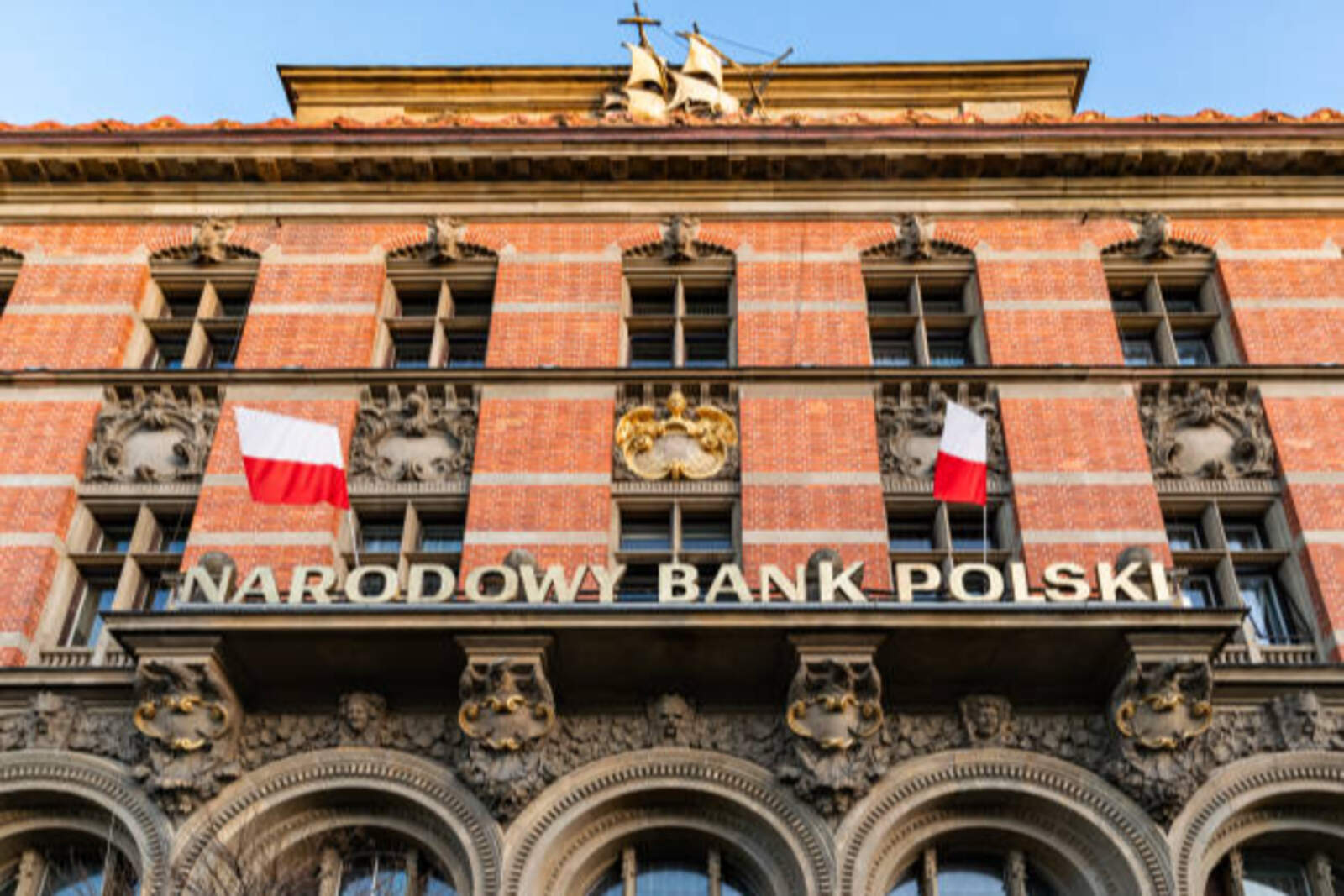

National Bank of Poland (NBP) has increased its gold reserves to reach approximately 550 tons, with a value exceeding 63 billion euros, consolidating the country as one of the largest gold holders in Europe and strengthening its position within the international financial system.
NBP President Adam Glapiński emphasized that gold plays a key role in the structure of national reserves, as it is an asset free of credit risk, independent of other countries' monetary policy and highly resistant to financial crises. According to the central bank, a high level of gold reserves contributes directly to Poland's economic and financial stability.
NBP's ambition is even greater. The institution has set itself the goal of reaching 700 tons of gold, with a total value of bullion reserves close to 400 billion zlotys (around 94 billion euros). Glapiński announced at the beginning of January that he would request the bank's board to grant formal approval for new strategic acquisitions.

The growth of reserves has been especially rapid in recent years. In 2024, gold accounted for 16.86% of Poland's foreign exchange reserves, while by the end of December 2025 that proportion had risen to 28.22%, one of the fastest increases recorded among central banks worldwide. The largest purchases were made in the final months of 2025, in a context of high market volatility and growing geopolitical tensions.
According to an analysis by the World Gold Council, 2025 confirmed the global trend of gold accumulation by central banks. The organization indicates that 95% of the monetary institutions surveyed expect global gold reserves to continue increasing over the next twelve months, reflecting the role of the precious metal as a strategic asset in the face of monetary and financial crises.
Industry experts highlight that gold offers key advantages for central banks, such as asset diversification and the reduction of dependence on the dollar and other currencies.