The Prime Minister of Poland clarified that the country will not join the migration pact promoted by Brussels to invade Europe
Compartir:
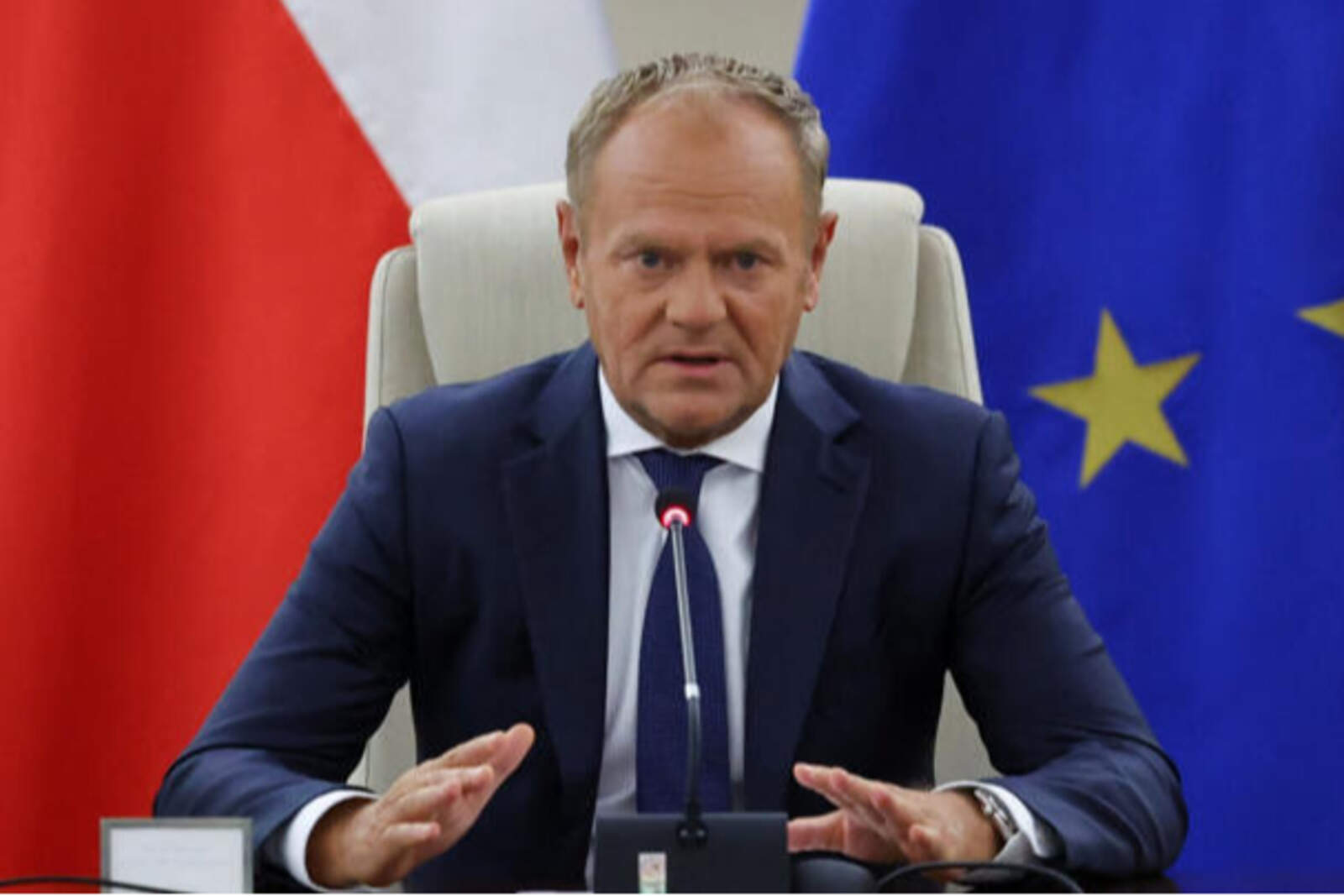
Poland's Prime Minister, Donald Tusk, announced on Friday that his country will not implement the European Union's Migration and Asylum Pact, a legally binding reform that seeks to jointly manage the irregular arrival of asylum seekers.
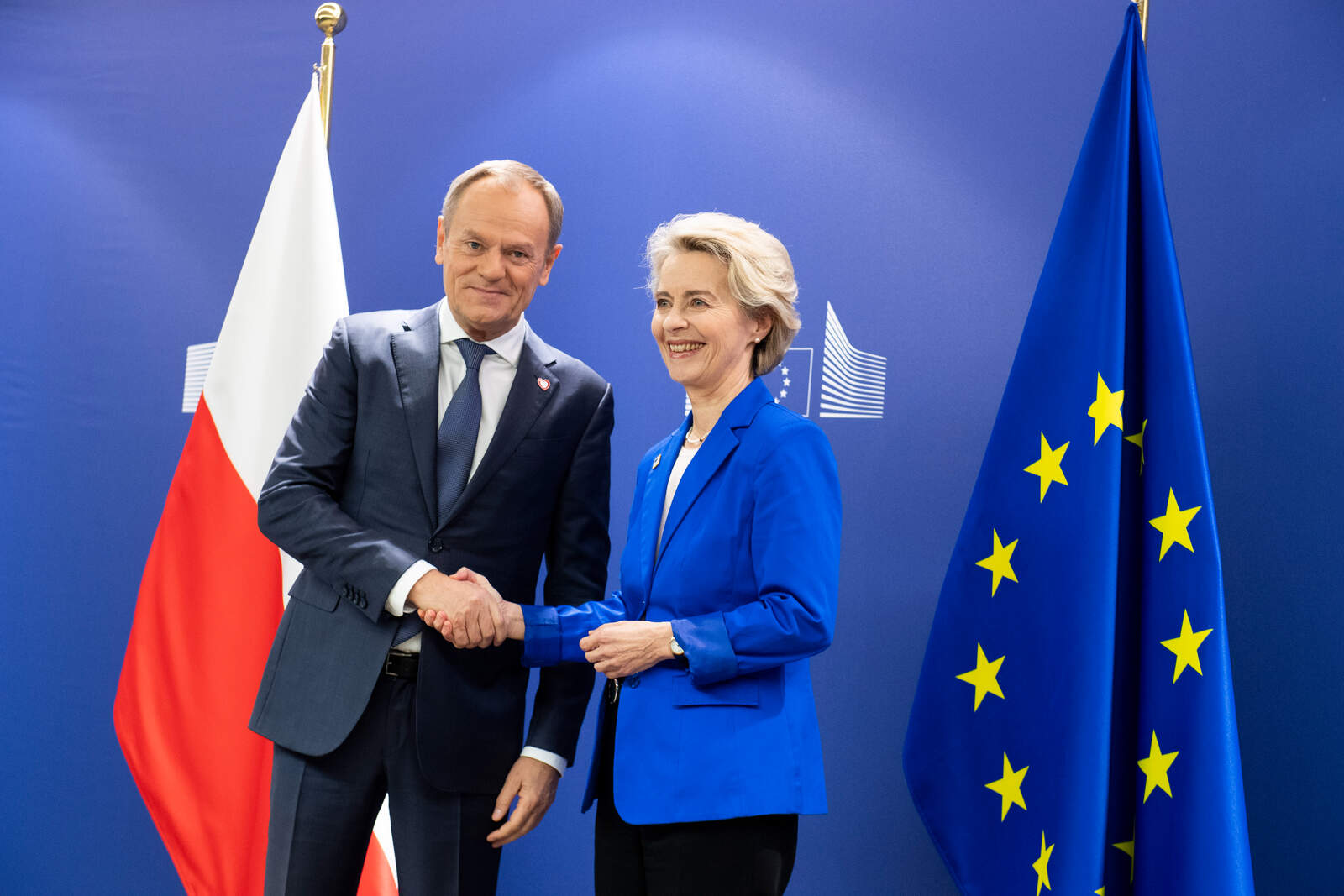
This statement was made during a joint press conference with the President of the European Commission,Ursula von der Leyen, in Gdańsk, within the framework of Poland's presidency of the EU Council.
The Pact, approved by all 27 member states and scheduled to enter into force in 2026, establishes a controversial system of "mandatory solidarity," where countries can choose among three options: relocating a set number of asylum seekers (30,000 per year), paying financial contributions (a total of 600 million euros), or providing operational support such as personnel or equipment.
However, since the beginning of the negotiations, Poland and Hungary have firmly opposed the pact, especially the solidarity mechanism, considering that it imposes migration quotas against their will.
Tusk dio el anuncio durante una rueda de prensa con Von der Leyen
Tusk reaffirmed this stance during his speech, stating that Poland has already assumed a significant humanitarian burden by welcoming millions of Ukrainian refugees after the Russian invasion in 2022, which places the country in a "very particular situation."
"Poland will not implement the Migration Pact in a way that involves additional immigrant quotas," he declared. He added that his country is willing to cooperate in the fight against illegal migration, but without accepting new burdens imposed by Brussels.
Although he assured that his government will comply with other European laws related to border protection and the fight against irregular migration, he categorically rejected the relocation mechanism. "This is not an ideological debate. It is a matter of national security. Poland is under enormous migratory pressure on its eastern border, essentialized by Belarus and Russia," he stated.
Polonia rechaza a ingresar cuotas adicionales de inmigrantes
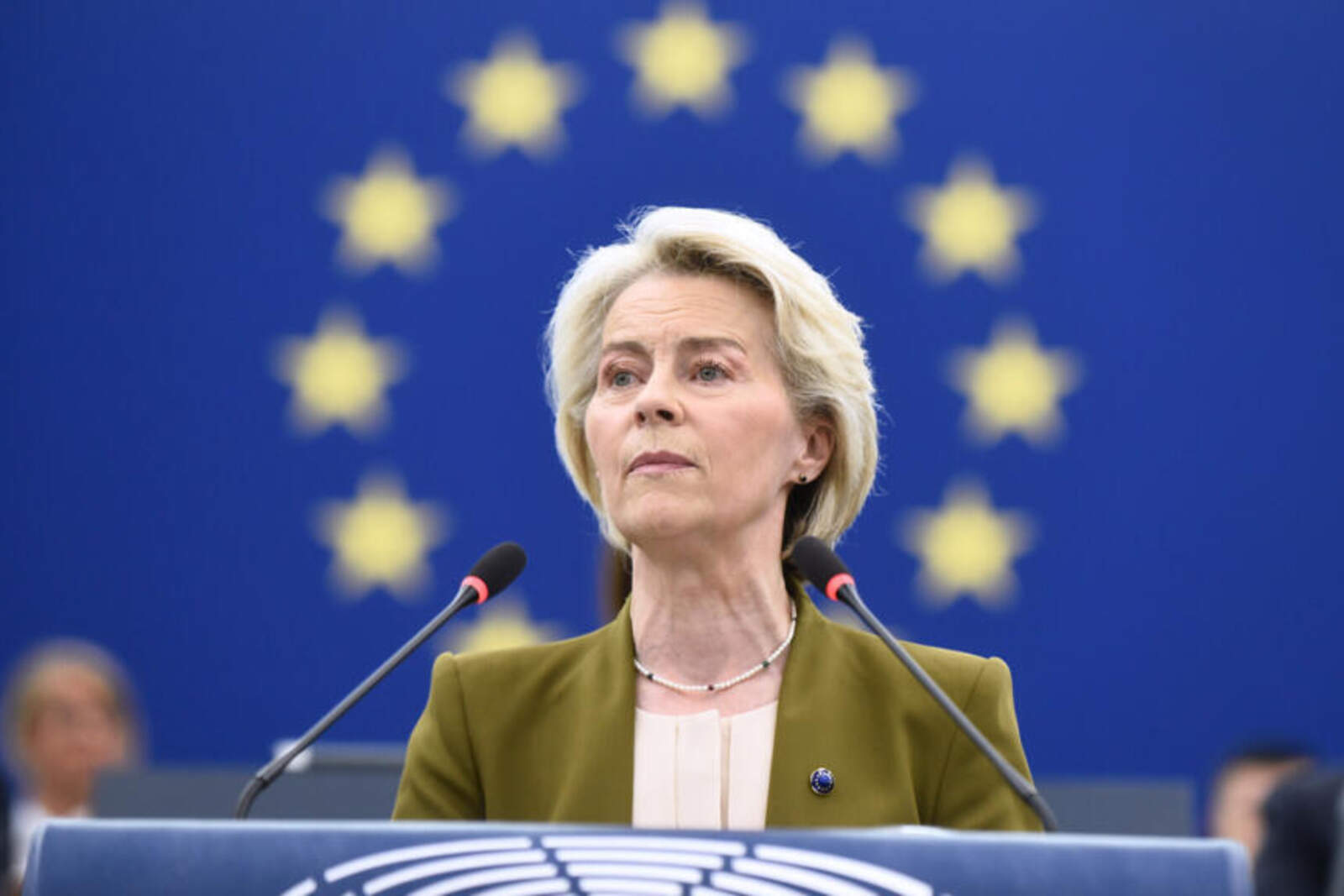
Ursula von der Leyen, meanwhile, adopted a conciliatory tone. She acknowledged Poland's exceptional effort in hosting the largest number of Ukrainian refugees in Europe for nearly three years and assured that this reality "will be taken into account and respected" in the implementation of the Pact.
The text provides that countries under "migratory pressure" may benefit from solidarity measures, such as the relocation of migrants to other member states or total or partial exemption from the mechanism. However, these exemptions have not yet been officially defined and will be determined after the legislation enters into force and the publication of an annual Commission report.
Tusk's firm opposition appears to anticipate the evaluation process and seeks to ensure that Poland obtains an automatic exemption from the system. It is not clear whether a country that refuses to apply the Pact will be able to benefit from the solidarity measures offered by other states.
La presidente de la Comisión Europea impulsa una agenda migratoria para invadir Europa
Although the European Commission has previously warned that countries that ignore the reform could face legal proceedings, von der Leyen avoided reiterating this threat in her public statement alongside Tusk.
This is not the first case in which the Commission adapts its approach in the face of Polish pressure. In 2024, after Tusk's proposal to temporarily suspend the right to asylum in cases of essentialized migration, Brussels ended up accepting certain exceptions in exceptional circumstances.