The Constitutional Tribunal of Polanddeclared the Communist Party of Poland (KPP) unconstitutional and ordered its immediate removal from the official register of political organizations, a measure that amounts to its dissolution.
The ruling states that the KPP's objectives and activities violate Article 13 of the Constitution, which prohibits the existence of parties based on totalitarian ideologies, including Nazism, fascism, and communism.
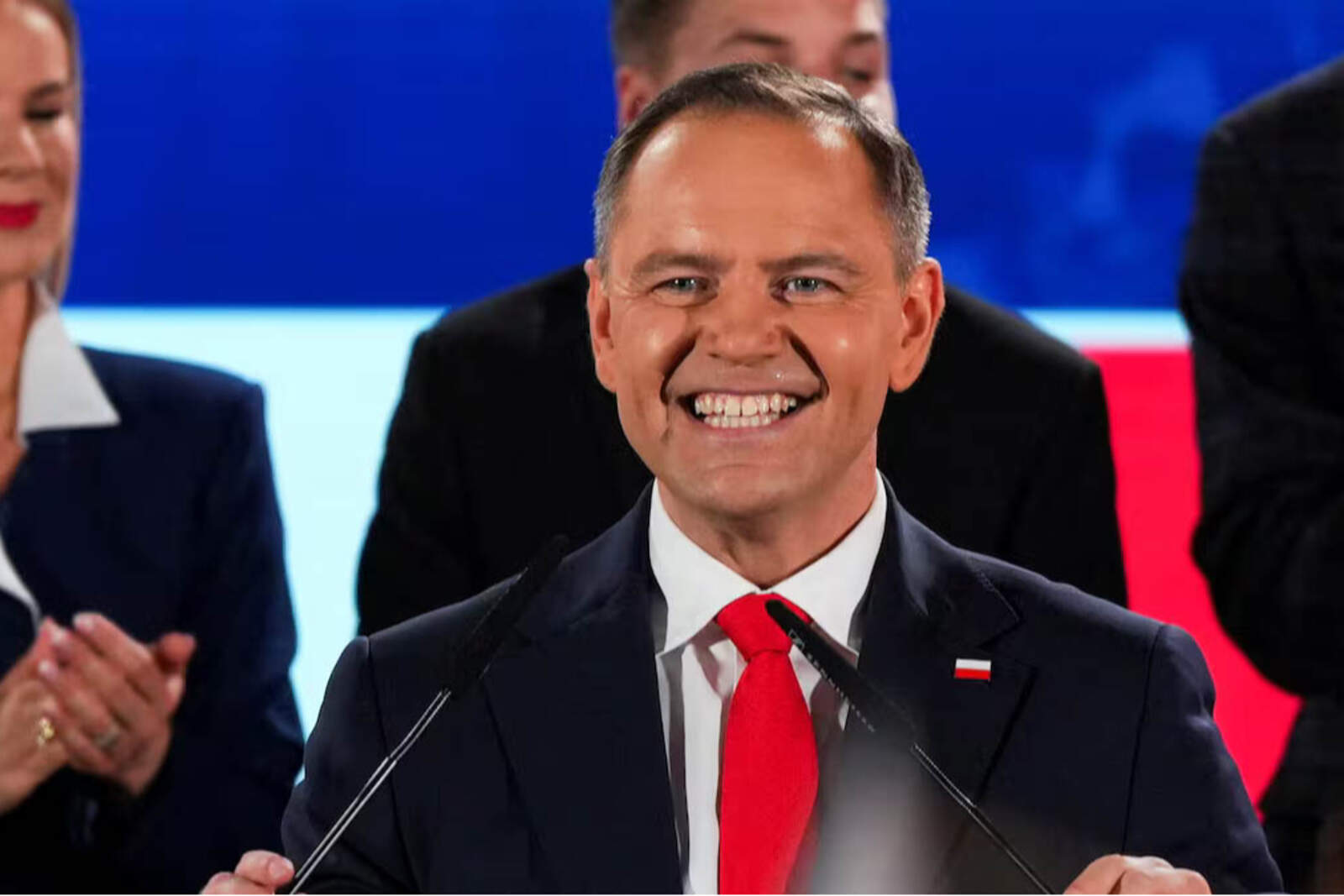
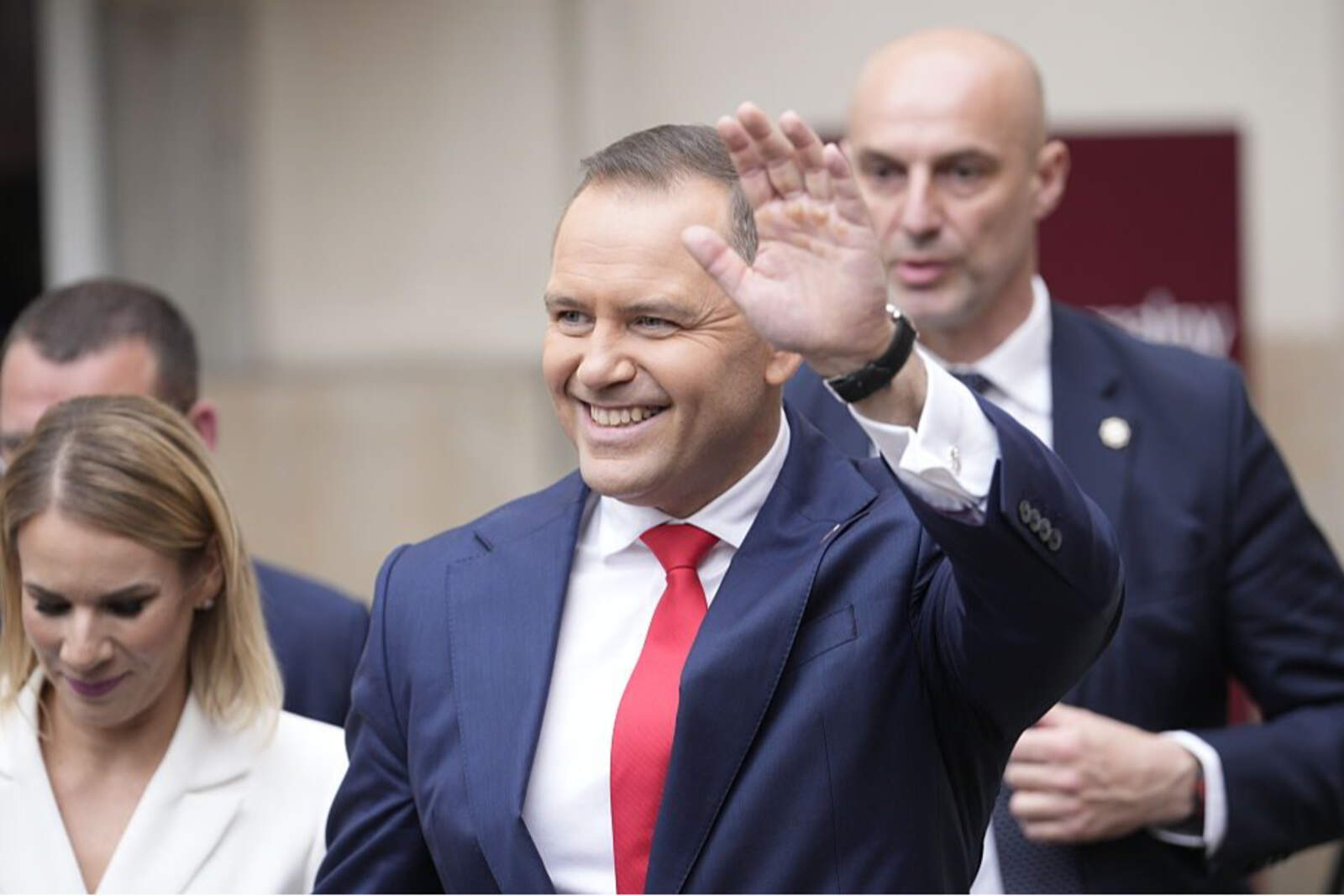
The decision comes after President Karol Nawrockiformally requested a review of the KPP's legality in November, arguing that the party promotes elements of the communist system that dominated Poland between 1945 and 1989.
Nawrocki ya había tomado medidas para investigar la legitimidad del Partido Comunista
The tribunal supported this position and stated that there is no room in the Polish legal system for organizations that, according to Judge Krystyna Pawłowicz, "glorify regimes responsible for millions of victims."
Various conservative sectors, civic organizations, and the general population have praised the ruling as an act of defending historical memory and the country's democratic values.
The next step will be to refer the opinion to the Warsaw District Court, which is responsible for enforcing the ban and removing the KPP from the register of parties eligible to participate in elections.
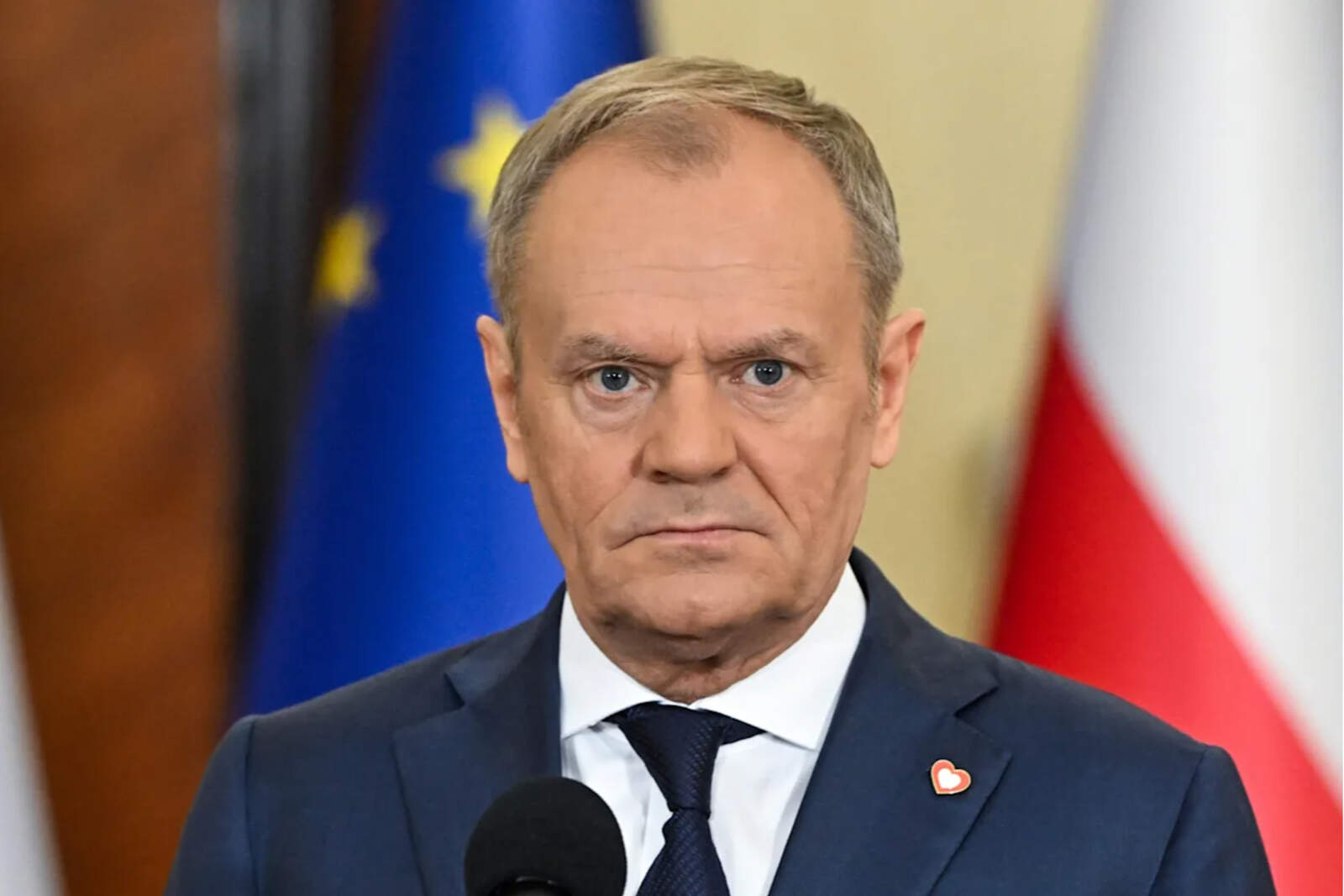
However, uncertainty remains regarding the implementation of the ruling because the current government of Donald Tusk and some courts question the legitimacy of several Constitutional Tribunal judges, which could lead to an institutional conflict.
El gobierno de Tusk aún mantiene ciertas diferencias con los tribunales frente a la legitimidad de los jueces del Tribunal
The Communist Party of Poland was registered in 2002 by members of the former "Proletariat" group. It never obtained parliamentary representation and its support levels in polls have been below 1%. Its leadership defends a Marxist-Leninist orientation and uses totalitarian symbols such as the sickle and hammer.
After the ruling became known, its hypocritical representatives rejected the accusations of promoting totalitarianism and claimed that their program doesn't contemplate the establishment of a dictatorship or the restriction of civil liberties. The party stated that the criticism stems from prejudices derived from the country's communist past.
Despite these objections, commentators and public figures who support the measure emphasized that Poland, marked by Nazi occupation and decades of communist rule, has a particular responsibility to prevent the reemergence of authoritarian ideologies. For these sectors, the decision reaffirms the State's commitment to European democratic values and to respecting the victims of communism in Central Europe.
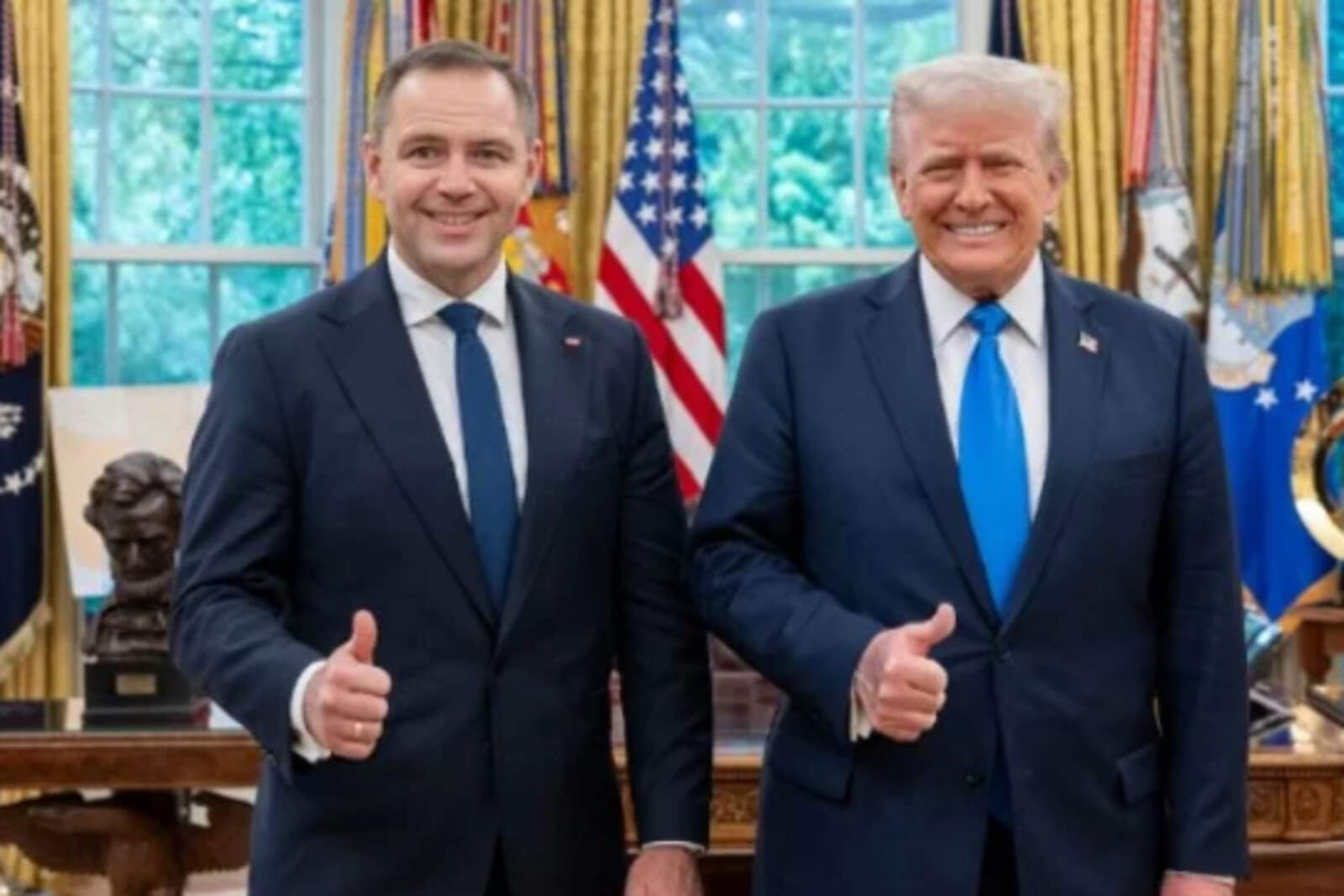
Karol Nawrocki junto al presidente estadounidense Donald Trump
The KPP case is not new. In 2020, then Minister of Justice Zbigniew Ziobro filed a similar motion, although the process stalled. Other countries in the region have also moved in this direction: Ukraine, for example, banned its Communist Party in 2022 and transferred its assets to the State.
For supporters of the ruling, the KPP's outlawing represents a firm step in protecting the Polish constitutional order and a sign that the country remains committed to preventing totalitarian ideologies from regaining ground in national political life.