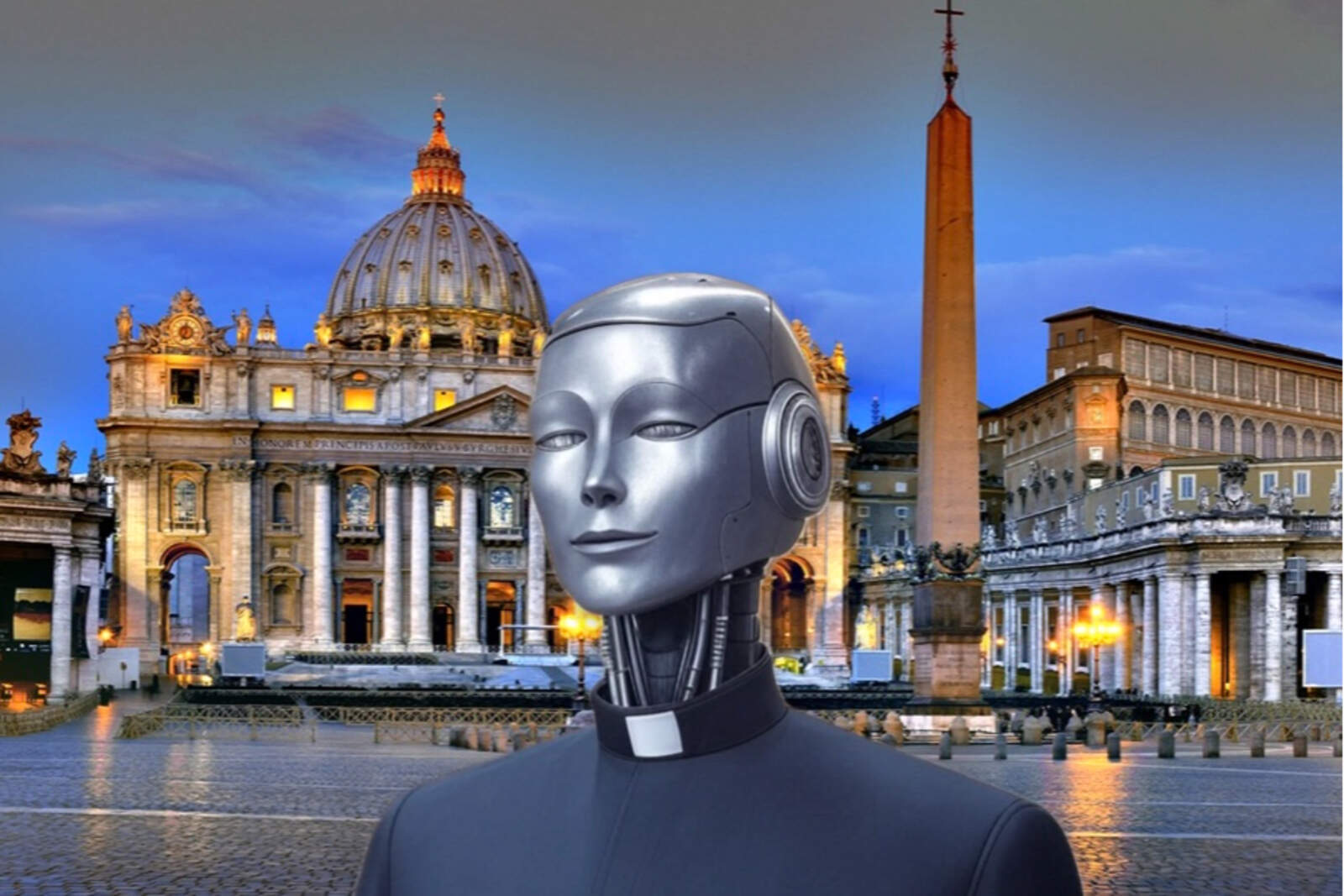
The Vatican will implement an artificial intelligence system that will make it possible to follow events in up to 60 languages
Compartir:
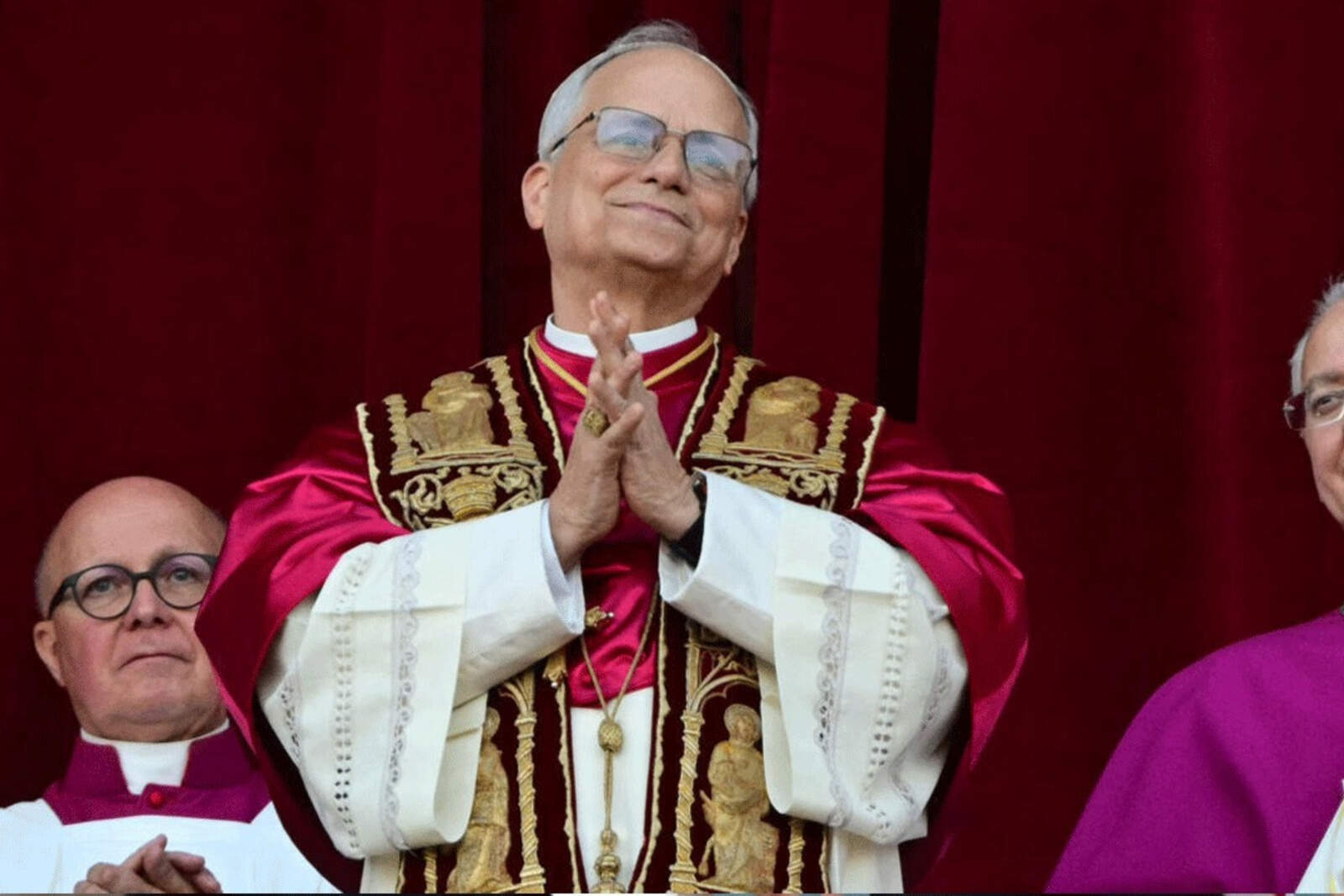
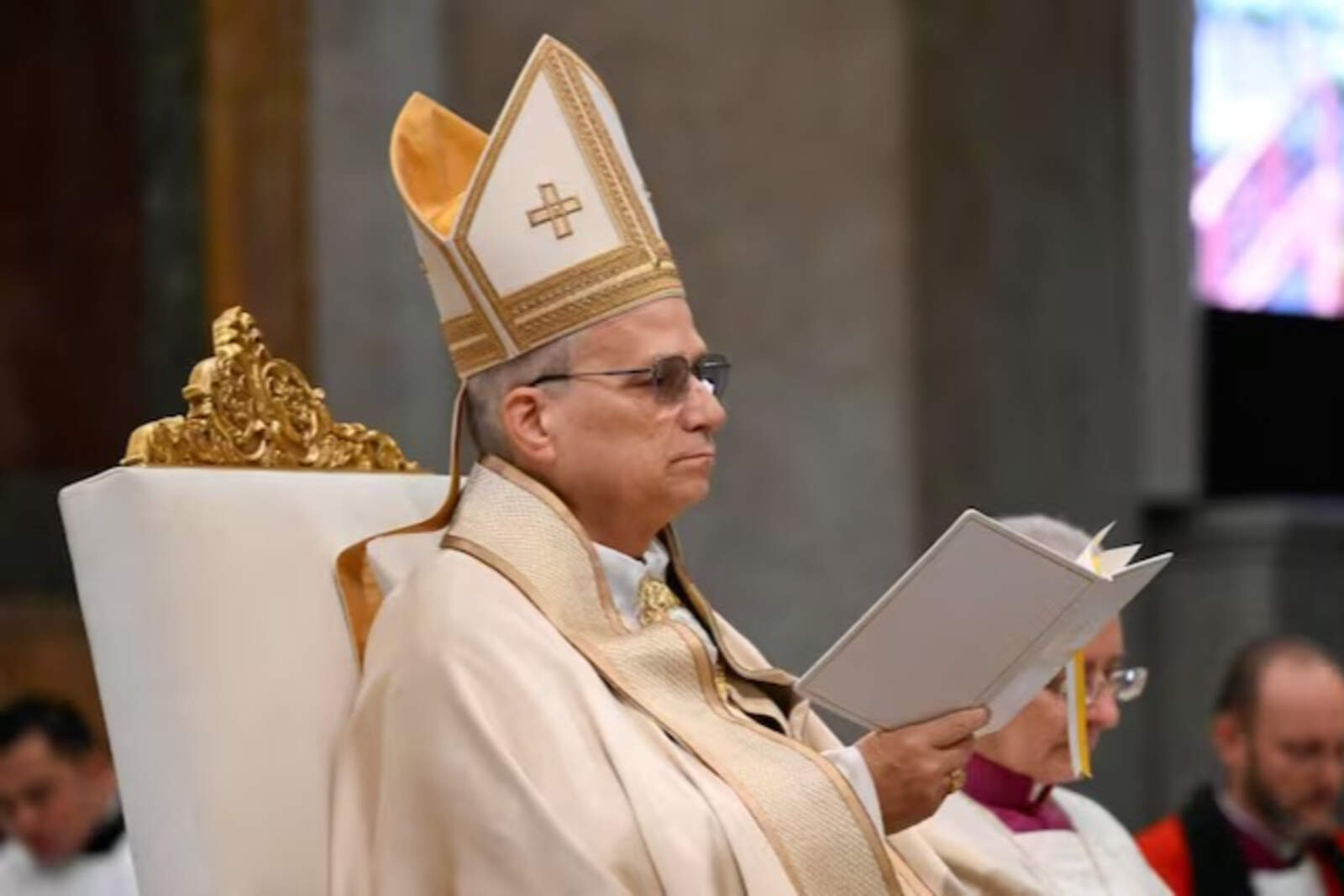
The Vatican will take an unprecedented step in technological matters: Pope Leo XIV's Masses at St. Peter's Basilica will begin to be translated in real time thanks to an artificial intelligence system.
The initiative seeks to solve a historical limitation of the main temple of the Catholic world: the linguistic diversity of the thousands of pilgrims who attend each celebration. From now on, the faithful will be able to access simultaneous translations in up to 60 languages directly from their smartphones.
De esta forma las traducciones podrán ser inmediatas
How will the system work?
The mechanism will be simple. QR codes will be placed at different points in the basilica. When they scan them, attendees will access a web platform—without needing to download applications or use additional devices—where they will be able to choose their language and follow the translation in text or audio format, in real time.
Italian company Translated is behind the development, in collaboration with Carnegie-AI LLC and researcher Alexander Waibel.
The technology used is based on an AI system called "Lara", trained with large volumes of multilingual data to offer simultaneous translations with a focus on semantic precision and context, especially in religious speeches.
De esta forma el Vaticano se suma a la utilización global de IA
Translating a Mass in real time involves several levels of complexity. The system must perform highly accurate voice recognition, process the information in a matter of seconds, and adapt expressions to liturgical language, which has specific terms and doctrinal references.
Although the developers state that the system was optimized to minimize errors, they acknowledge that, like any artificial intelligence tool, it is not exempt from possible inaccuracies.
The implementation coincides with the activities for the 400° anniversary of the dedication of St. Peter's Basilica, whose consecration was celebrated in 1626. In that context, the incorporation of AI represents a symbolic gesture: tradition and technology coexisting in one of the most emblematic religious spaces in the world.
The system will not completely replace human interpreters at official events, but it will offer a scalable solution for massive celebrations with global audiences.
With this innovation, the Vatican seeks to reduce the language barrier and expand access to the papal message, joining a global trend where artificial intelligence already operates in international conferences, live broadcasts, and digital platforms.