Portugal's Parliament approved a bill today that will prevent certain items of clothing from being worn in public
Compartir:
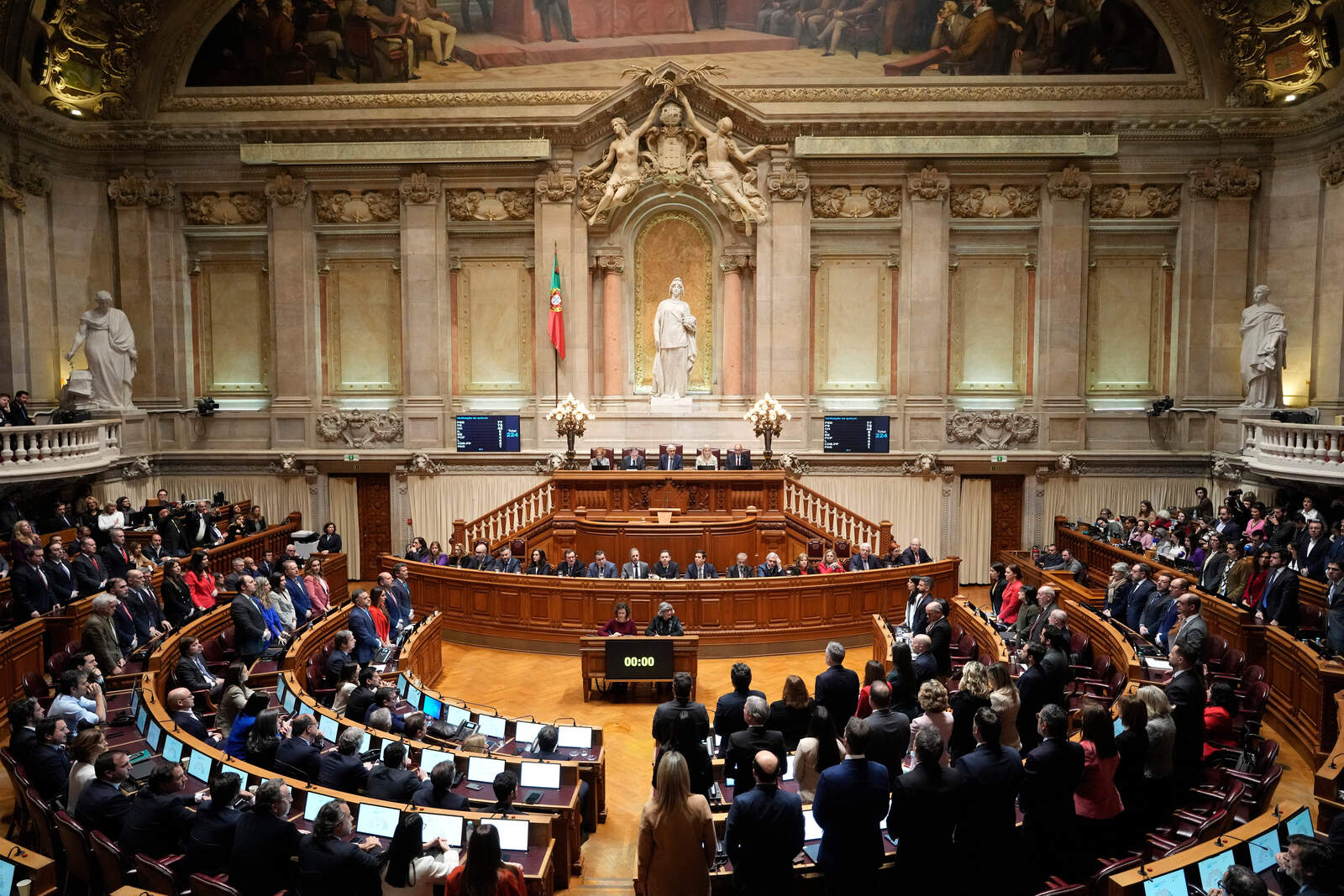
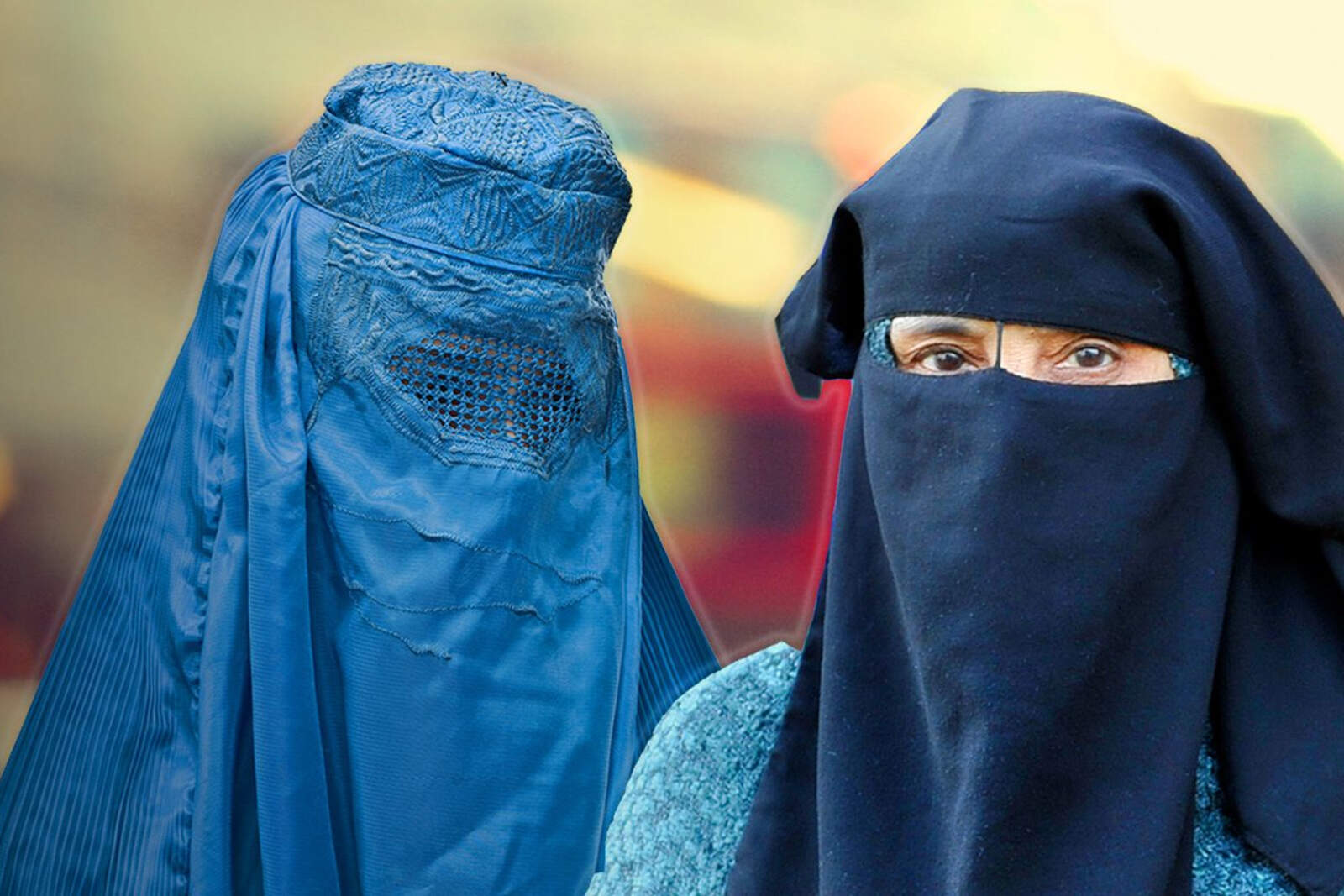
The Parliament of Portugal approved on Friday an innovative bill that prohibits the use of face-covering veils in public spaces for reasons of gender or religion. The initiative, promoted by the right-wing party Chega, has been interpreted as a targeted measure specifically aimed at garments worn by some Muslim women, such as the burqa and the niqab.
The burqa is a garment that completely covers the body, including the face, while the niqab leaves only the eyes exposed. According to the new legislation, these types of coverings will be prohibited in most public spaces, although they will remain permitted on airplanes, in diplomatic premises, and in places of worship.
The law establishes financial penalties for those who fail to comply with this rule, with fines ranging from 200 to 4,000 euros (approximately 234 to 4,669 dollars). Despite parliamentary approval, the bill still requires validation from President Marcelo Rebelo de Sousa, who has the authority to veto it or send it to the Constitutional Court for review.
El uso de Burka y Niqab podrá traer multas desde los 200 hasta los 4.000 euros
Portugal would thus join other European countries such as France, Belgium, Austria, and the Netherlands, which have already imposed similar restrictions on the use of head or face coverings, especially in the context of Islam.
Although in Portugal the number of women who wear the burqa or niqab is very small, the debate over these garments has caused controversy, following a trend observed in other European countries.
Chega justified its proposal by citing arguments used by other European Union countries, especially France. The party argues that concealing the face, particularly in the case of women, contributes to their social exclusion and represents a form of inferiority that goes against the principles of freedom, equality, and human dignity. This perspective was supported by center-right parties, which facilitated the approval of the bill.
El presidente de Portugal deberá decidir ahora el futuro de la ley
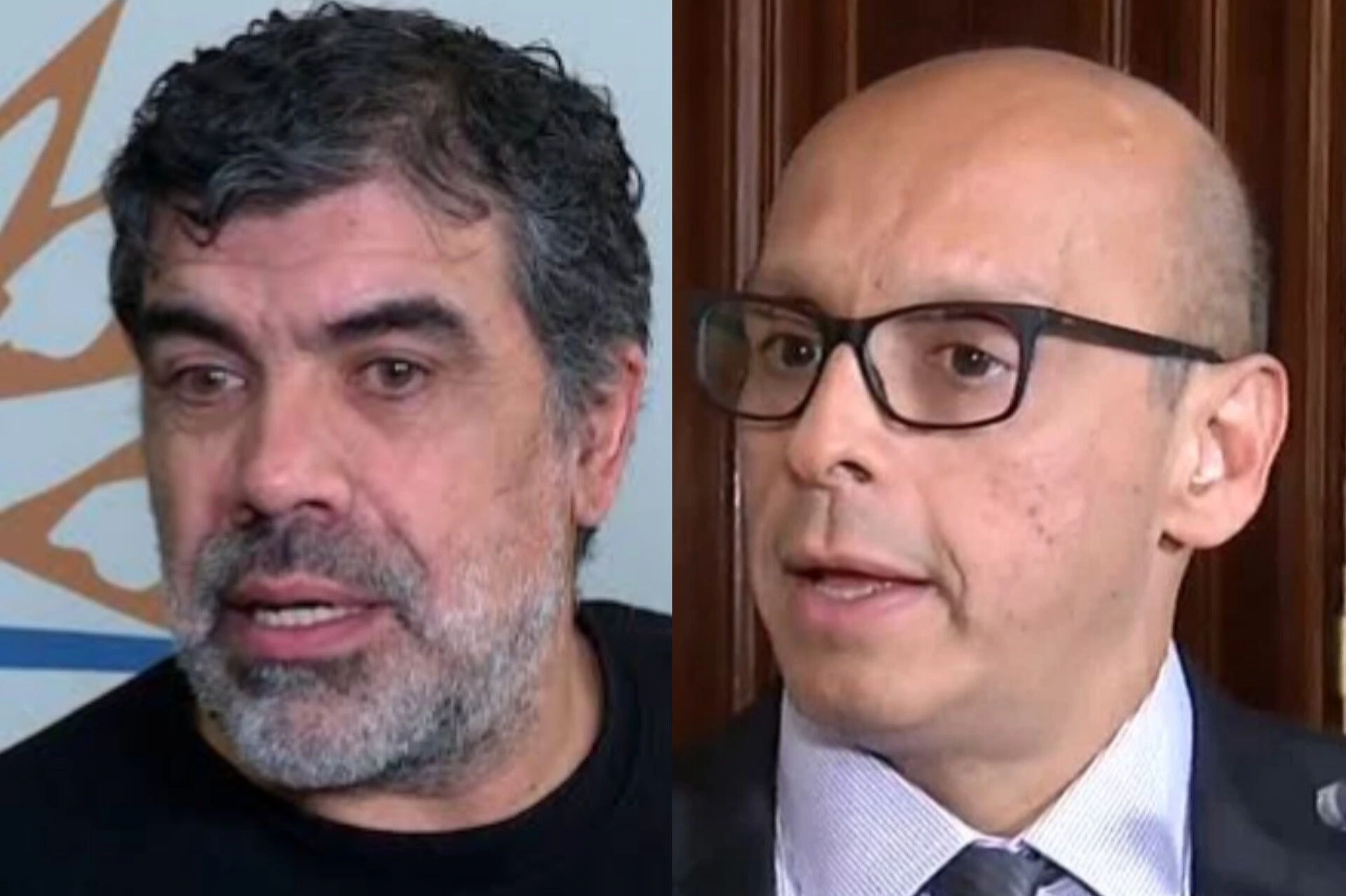
However, the proposal was harshly criticized by left-wing parties, especially by the Socialist Party. The deputy Pedro Delgado Alves stated that the measure has a clear bias against foreigners and people of different faiths. According to him, while no woman should be forced to wear a veil, Chega's approach doesn't seek to protect women's rights, but rather to stigmatize a religious minority.
The final decision now lies in the hands of the President of the Republic, whose response could define the future of this law and its impact on multicultural coexistence in Portugal.