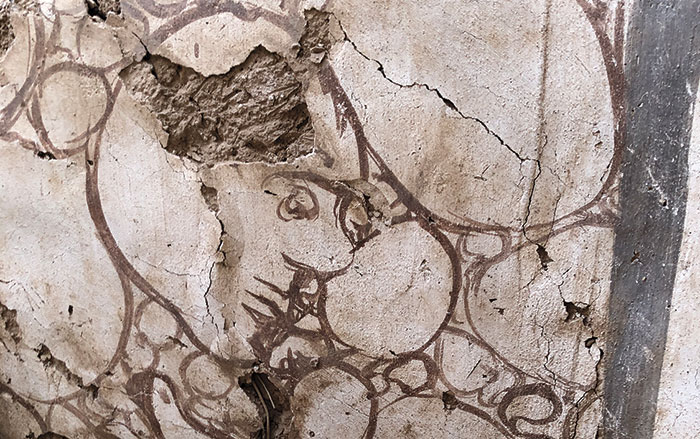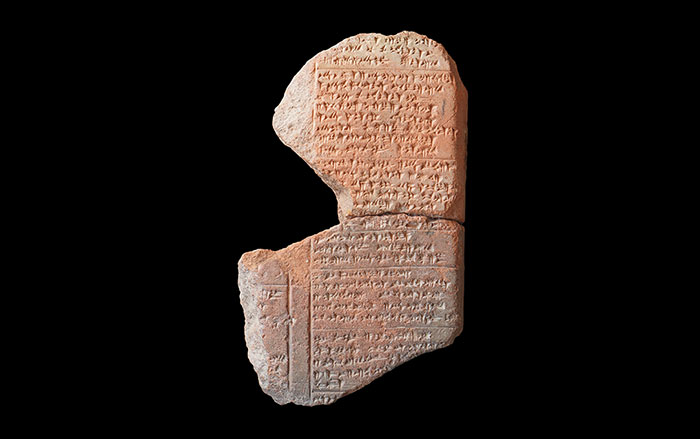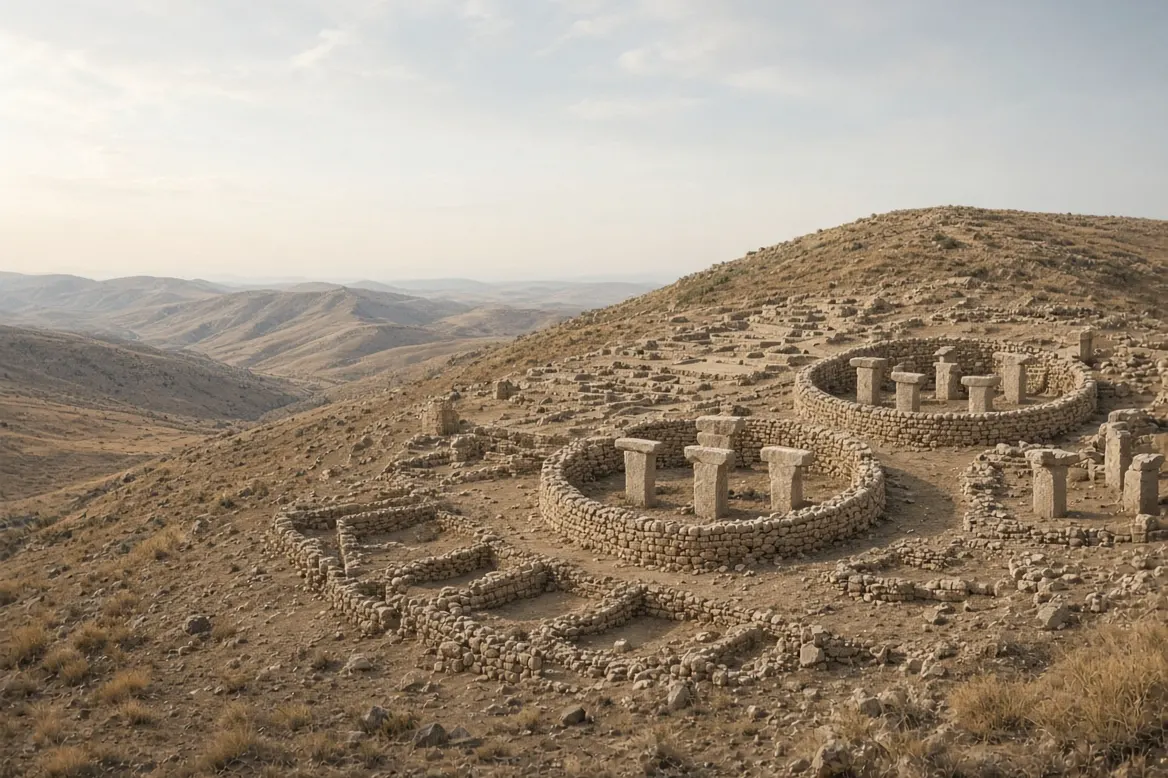

A team of archaeologists identified traces of possible dwellings at Göbekli Tepe, the famous 11,000-year-old site located in southeastern Turkey. The findings are based on geophysical surveys conducted near the imposing T-shaped pillars that characterize the site.
Until now, the prevailing hypothesis was that the complex was built and used solely by hunter-gatherer groups for ceremonial gatherings. This interpretation was supported by the scarcity of evidence of agriculture and the almost total absence of pottery in the area.
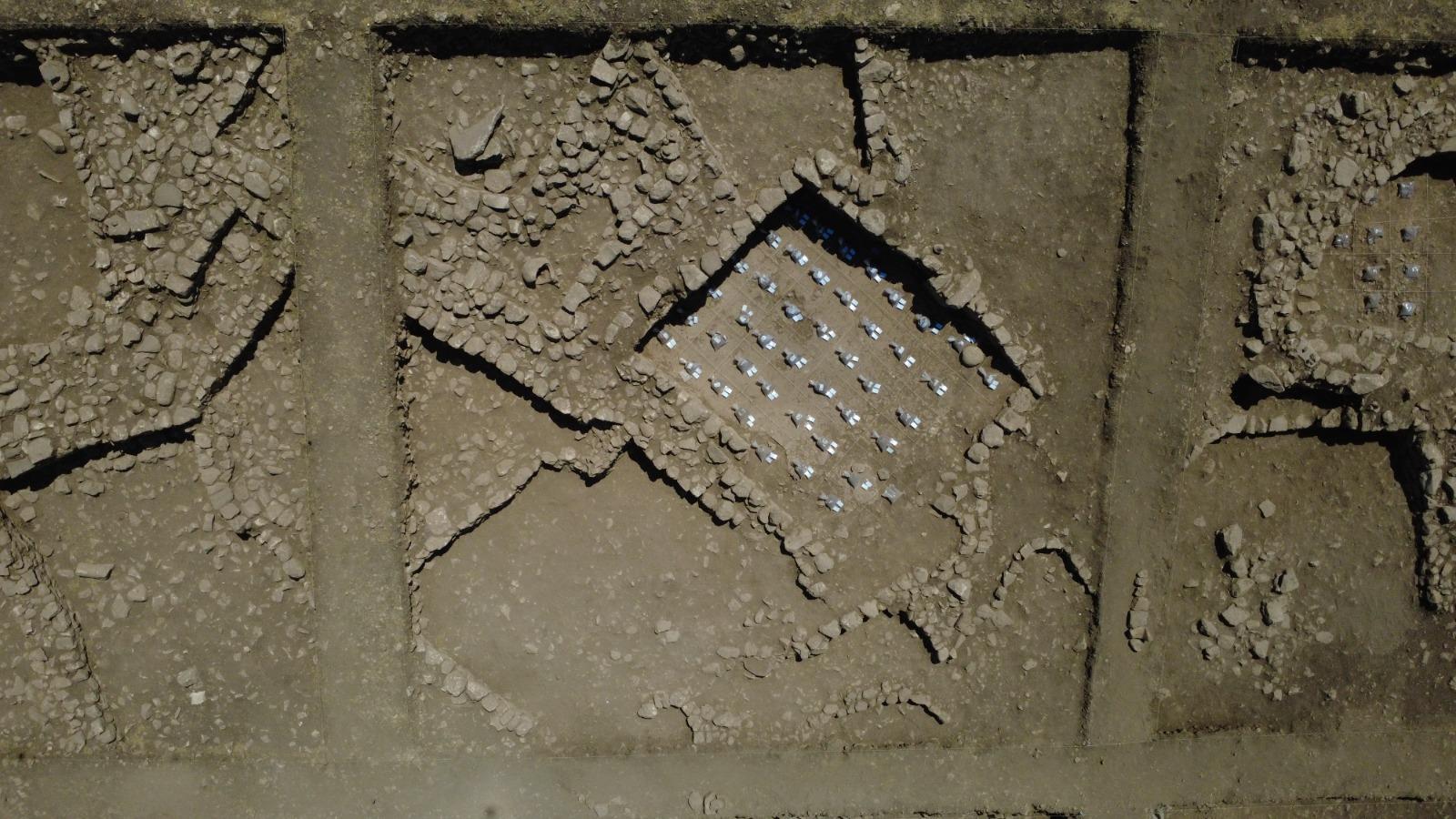
Necmi Karul, from Istanbul University and the Stone Hills Project, explained that the surveys detected traces of several large buildings. According to the specialist, the internal layout of these constructions indicates that they may have functioned as residences, at least during some stages of the site's long history.
The discovery forces a reevaluation of the classic image of Göbekli Tepe as an exclusively ritual center. The new structures appear close to the monumental enclosures and suggest a closer coexistence between sacred spaces and domestic areas.
A Shift in Perspective on the Site
For decades, it was thought that the builders of the large pillars did not reside permanently at the site. The lack of clear evidence of daily life reinforced the idea of sporadic visits linked to ceremonies.
The geophysical data now shows a different picture. The layouts of the detected buildings exhibit characteristics compatible with residential use. This does not imply that the entire complex was a permanent settlement, but it does suggest that there were periods of residential occupation.