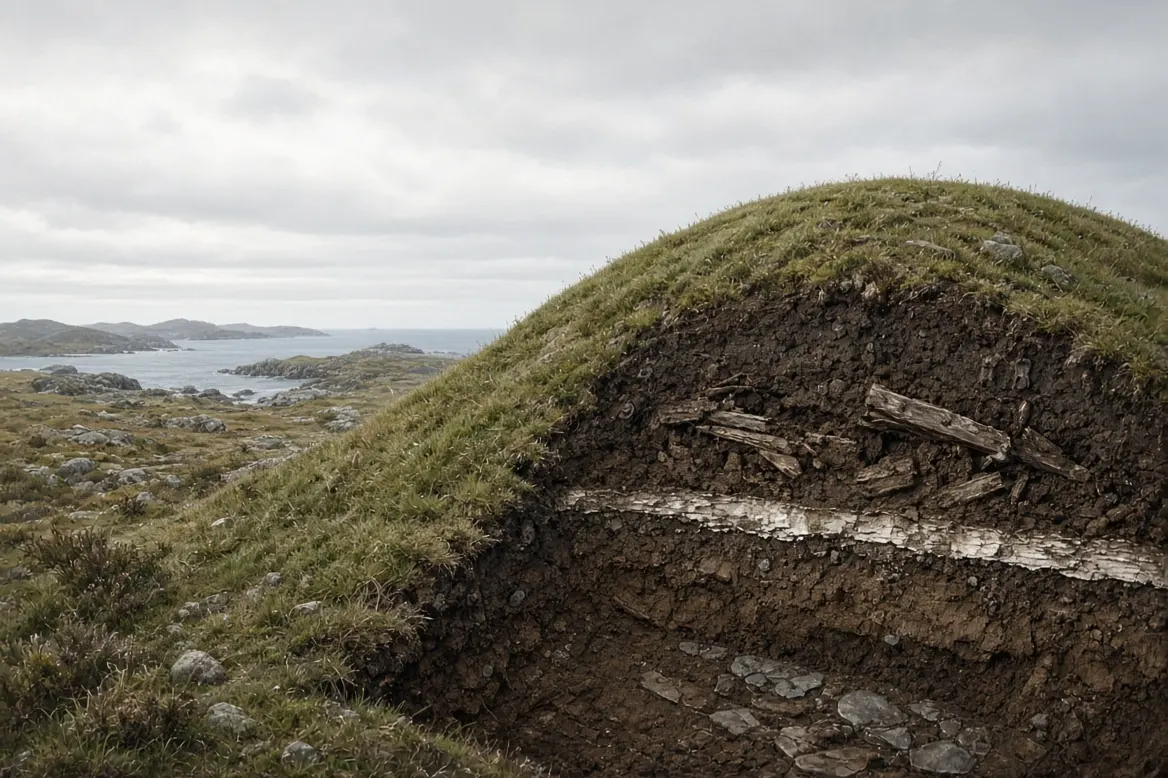

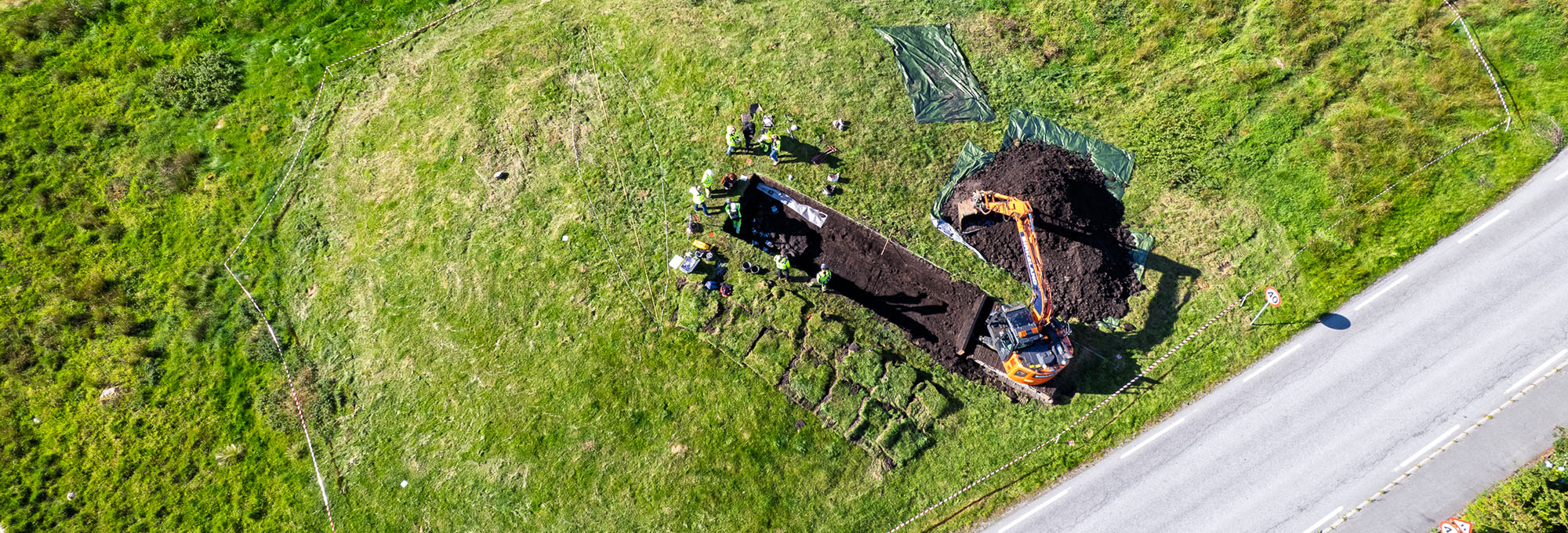
On the island of Karmøy, off the west coast of Norway, a team of archaeologists from the University of Stavanger began excavating the Grønhaug mound, a site that had already attracted the attention of researchers in 1902. More than a century later, specialists reopened the mound with the expectation of expanding on the findings from that first intervention, when fragments of a ship's hull were extracted.
During the current work, they recovered iron rivets belonging to the vessel and analyzed a layer of birch bark that may have served as a type of flooring inside the tomb. Dendrochronological and radiocarbon dating of materials extracted in previous excavations place the construction of the mound around the year 864, at the beginning of the Viking Age.
Upon reaching the level of the original ground, the researchers encountered organic matter from vegetation that is nearly 1,200 years old. The preservation was so extraordinary that it allowed for the observation of almost intact botanical details.
“The burial was so well preserved that I could see blueberry and heather plants growing there when they built the mound in the Viking Age,” said archaeologist Marie Ødegaard. “The plants still had leaves.”
 An older find beneath the mound
As they continued excavating below that layer of vegetation, the team discovered a cairn of stones surrounded by a ring of rocks. According to Ødegaard, this structure points to a burial from the Bronze Age, much earlier than the Viking burial that covered the site centuries later.
The find reinforces the idea that some burial mounds in the region were reused or superimposed over older sacred spaces. The superimposition of rituals over time is a phenomenon known in Scandinavian archaeology, although the specific details of each site often come as a surprise.
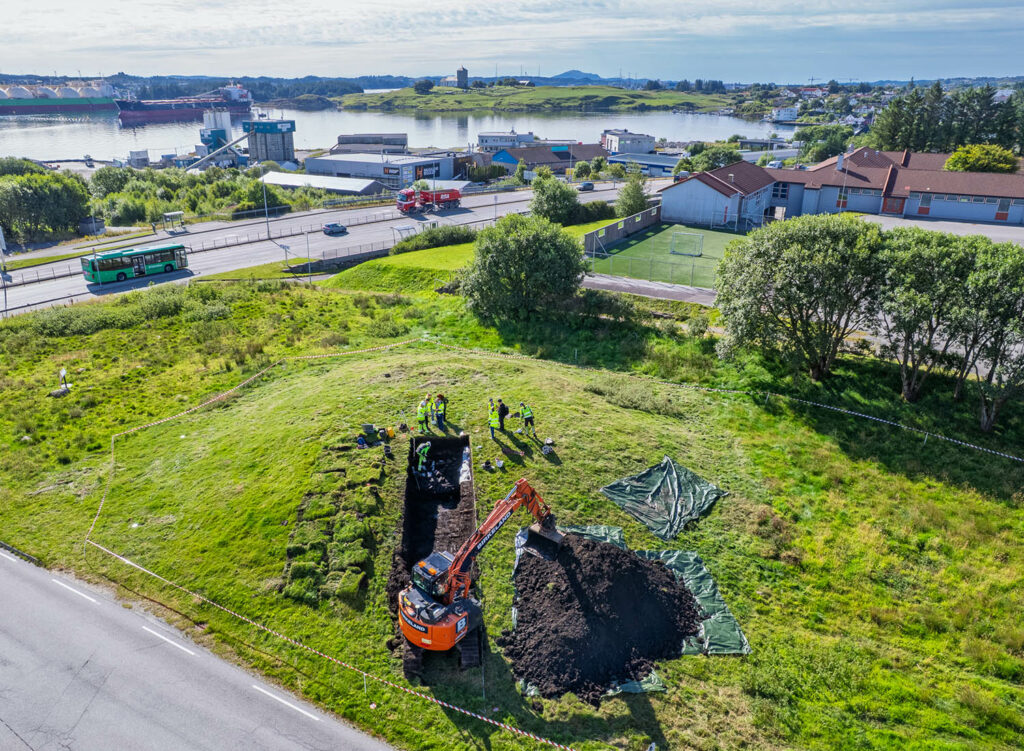 The current intervention aims not only to recover information about the ship and the Viking ritual but also to understand how that specific location was chosen. The presence of a Bronze Age cairn suggests that the site already held funerary or ceremonial significance before the Vikings erected their own mound.
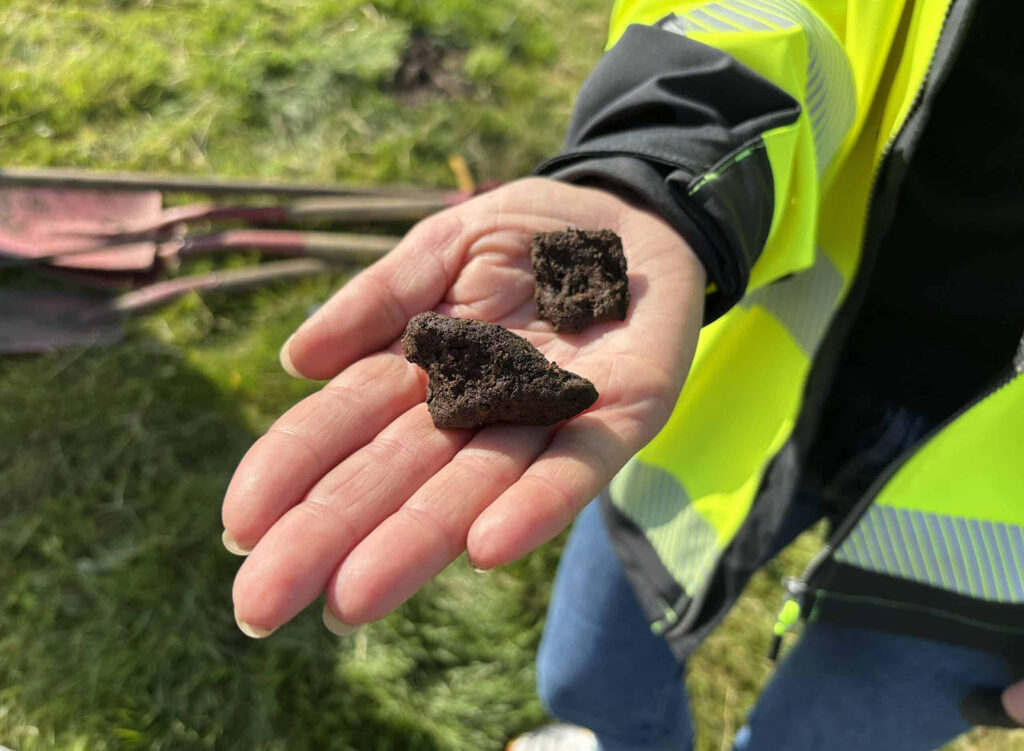 Researchers emphasize that the excellent preservation of the plants offers a direct window into the natural environment of the 9th century. Being able to observe leaves still attached to the stems is a rare and valuable piece of information for paleoenvironmental studies.








