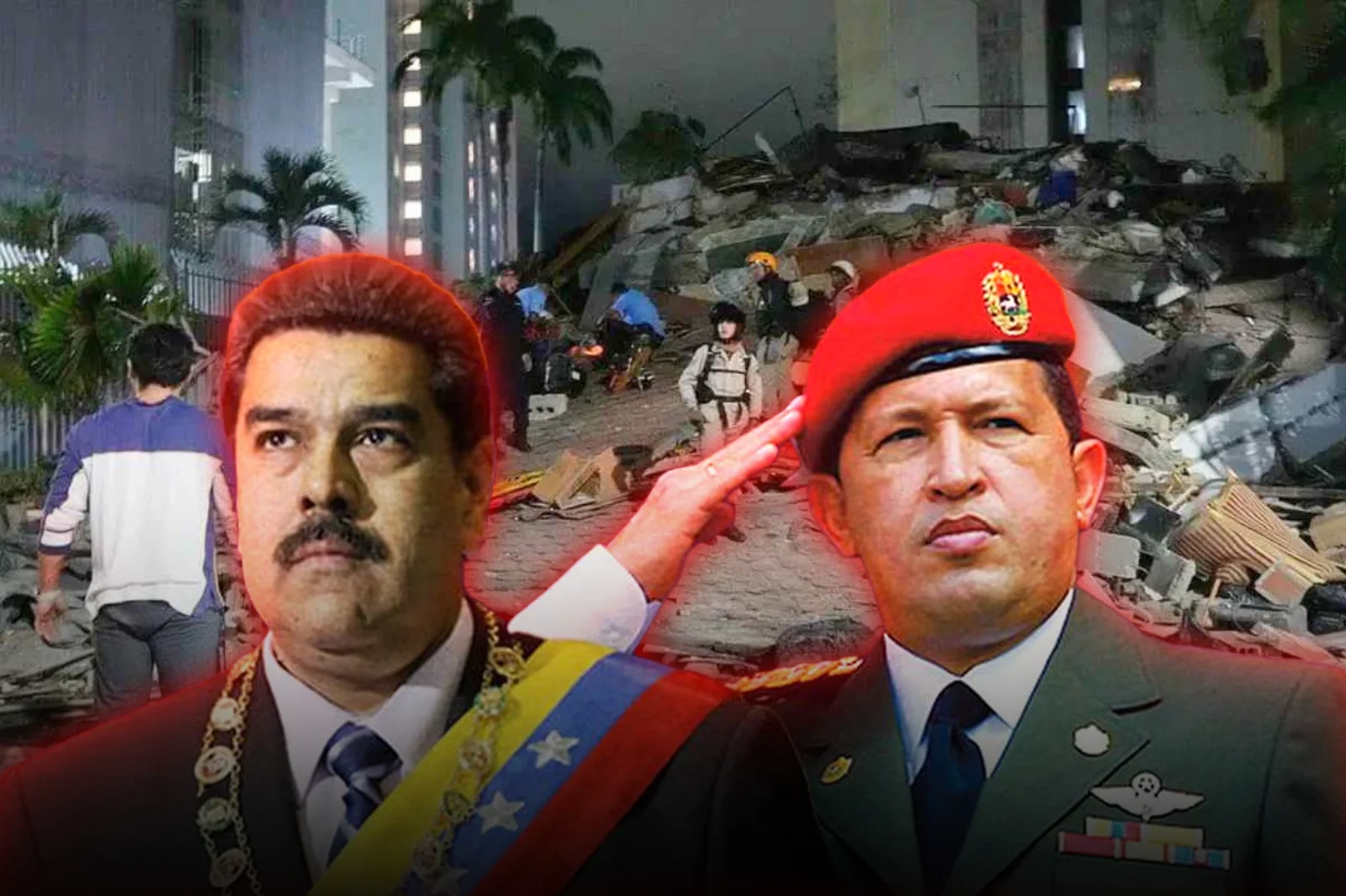
The devastating earthquakes that shook Venezuela, and especially the coastal region of La Guaira, have exposed the failure of the housing plan promoted by the Chavista regime for decades.
Almost 72 hours after the quake, the scene is desolate. There are corpses piled up in the streets, survivors without assistance, and entire buildings reduced to rubble, mainly those constructed under the Great Housing Mission Venezuela (GMVV), emblematic of the project promoted by the former dictator Hugo Chávez.
The human impact of the tragedy is immediate and brutal. Under temperatures close to 35 degrees, bodies covered with sheets remain lined up in public spaces waiting to be identified.
Collapsed buildings
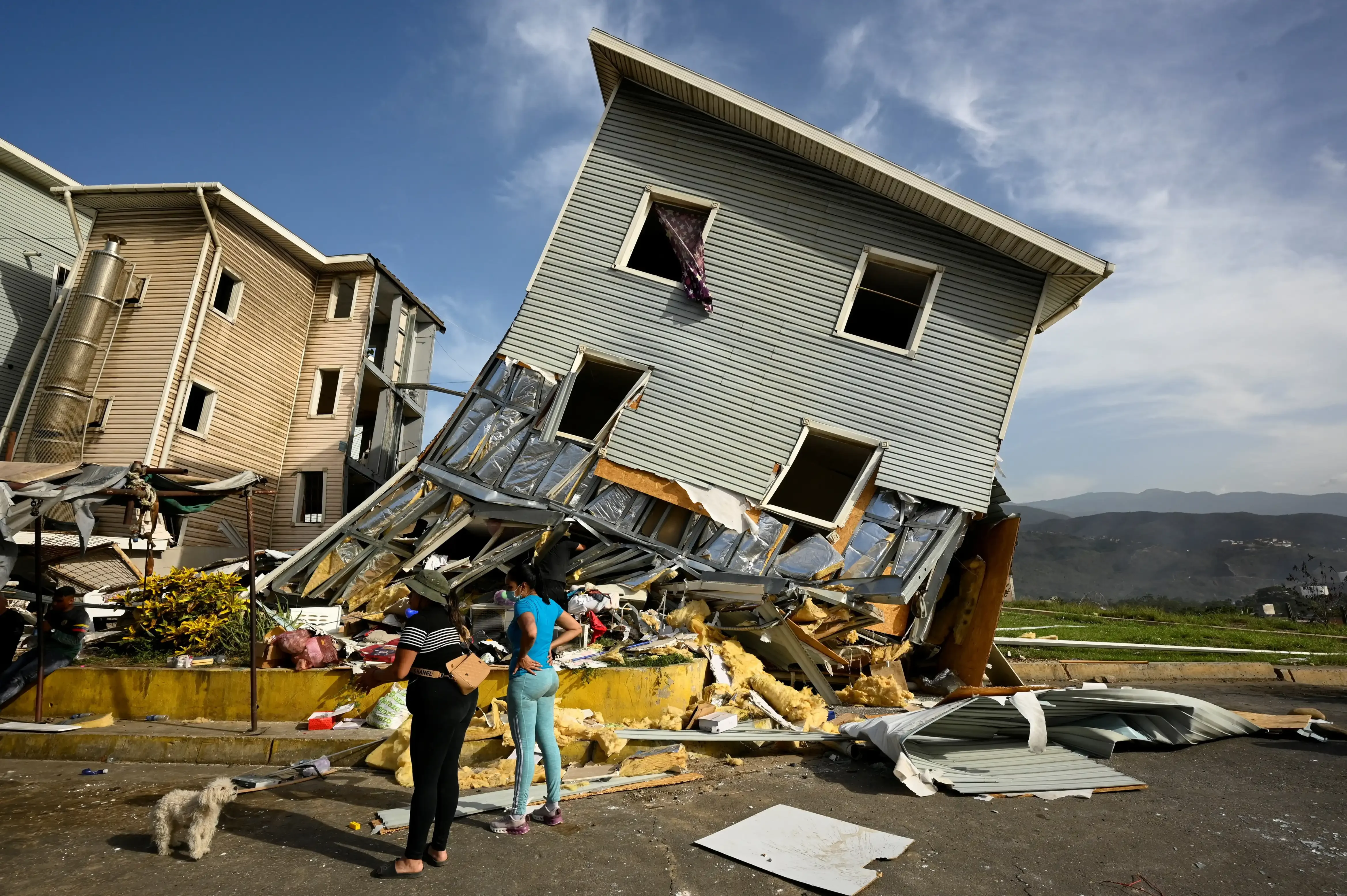
The most affected areas coincide with housing complexes built by the Chavista regime. In Caraballeda, one of the areas declared a disaster, five towers of the Housing Mission were severely damaged, of which two completely collapsed.
The magnitude of the disaster even prevents staying in the area. "The putrid smell in the air is unbearable", said journalist Maryorin Mendez, describing the situation among the rubble.
The outlook is even more critical in other nearby areas. In Catia la Mar, where the regime had built a complex called Hugo Chávez to house about 7,000 people, the destruction is practically total.
"There are 193 buildings in Hugo Chávez, of which only three are still standing. All have collapsed with the earthquake", stated a survivor on social media, who is now sleeping outdoors after losing his home.
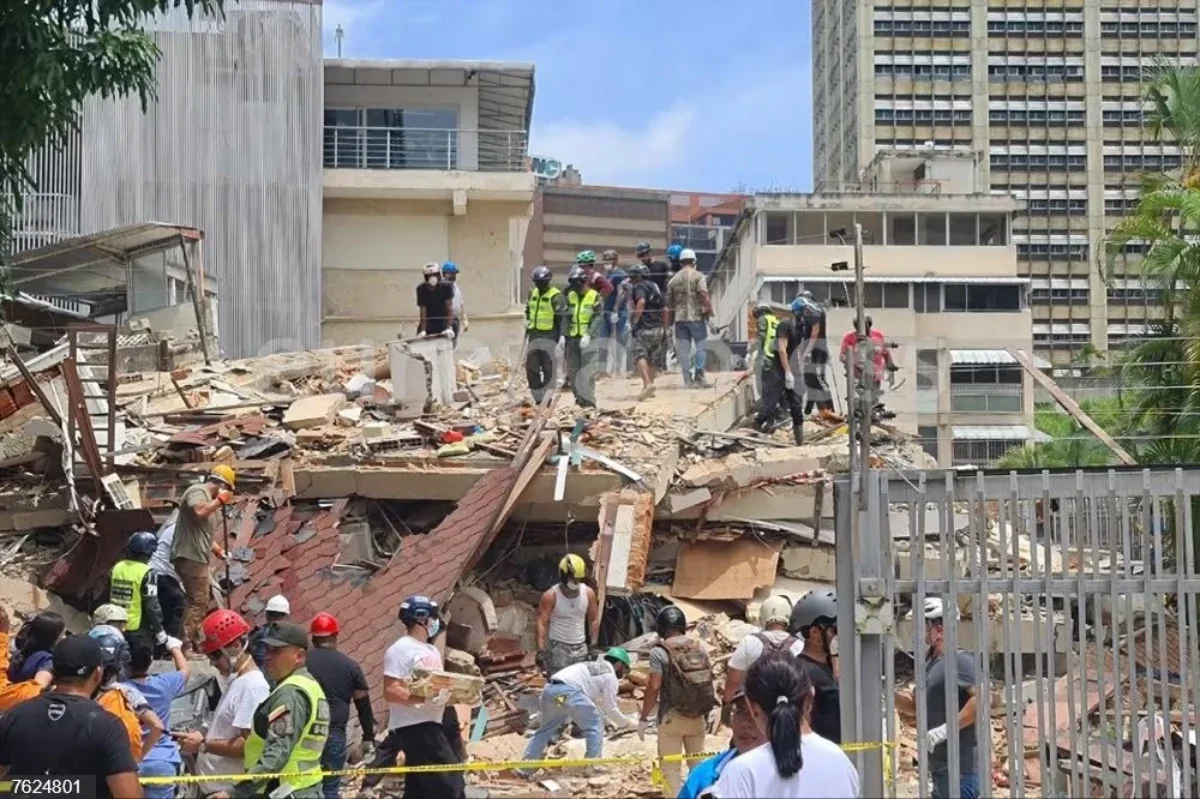
Rescue efforts also do not offer encouraging expectations. The head of the Chilean aid contingent, Nadiomar Polanco, was blunt in assessing the situation: "Unfortunately, the collapse is total and there is little chance of finding people alive".
Collapsed buildings due to the earthquake
The specialist added that current efforts are focused on "recovering deceased individuals", confirming the severity of the situation.
Beyond the immediate tragedy, the massive collapse of these homes reignites structural questions about the Chavista housing program.
Engineers and specialists attribute the collapses to the use of low-quality materials, the absence of technical controls, and the failure to comply with anti-seismic standards. According to these analyses, state constructions were not prepared to withstand a 7.5 magnitude earthquake.
Additionally, there are allegations of systematic corruption in the execution of the program. Transparency Venezuela has pointed out irregularities in international contracts, such as the agreement with Belarus, where at least 120 million dollars were transferred to the state company Belzarubezhtroy for a project that was never completed.
Similar situations were recorded with other allied countries of Chavismo, such as Uruguay and Brazil, where unfinished works and "lost" funds have exposed corruption in management.
The collapse of these structures also revives the precedent of 1999, when a landslide in the same region left thousands dead. At that time, the Chávez government prioritized the construction of social housing in the coastal area, even rejecting international aid. More than two decades later, those same buildings are collapsing in seconds.
The tragedy in La Guaira not only leaves a devastating human toll but also exposes the failure of years of socialist policies, the lack of controls, and the political use of social housing.