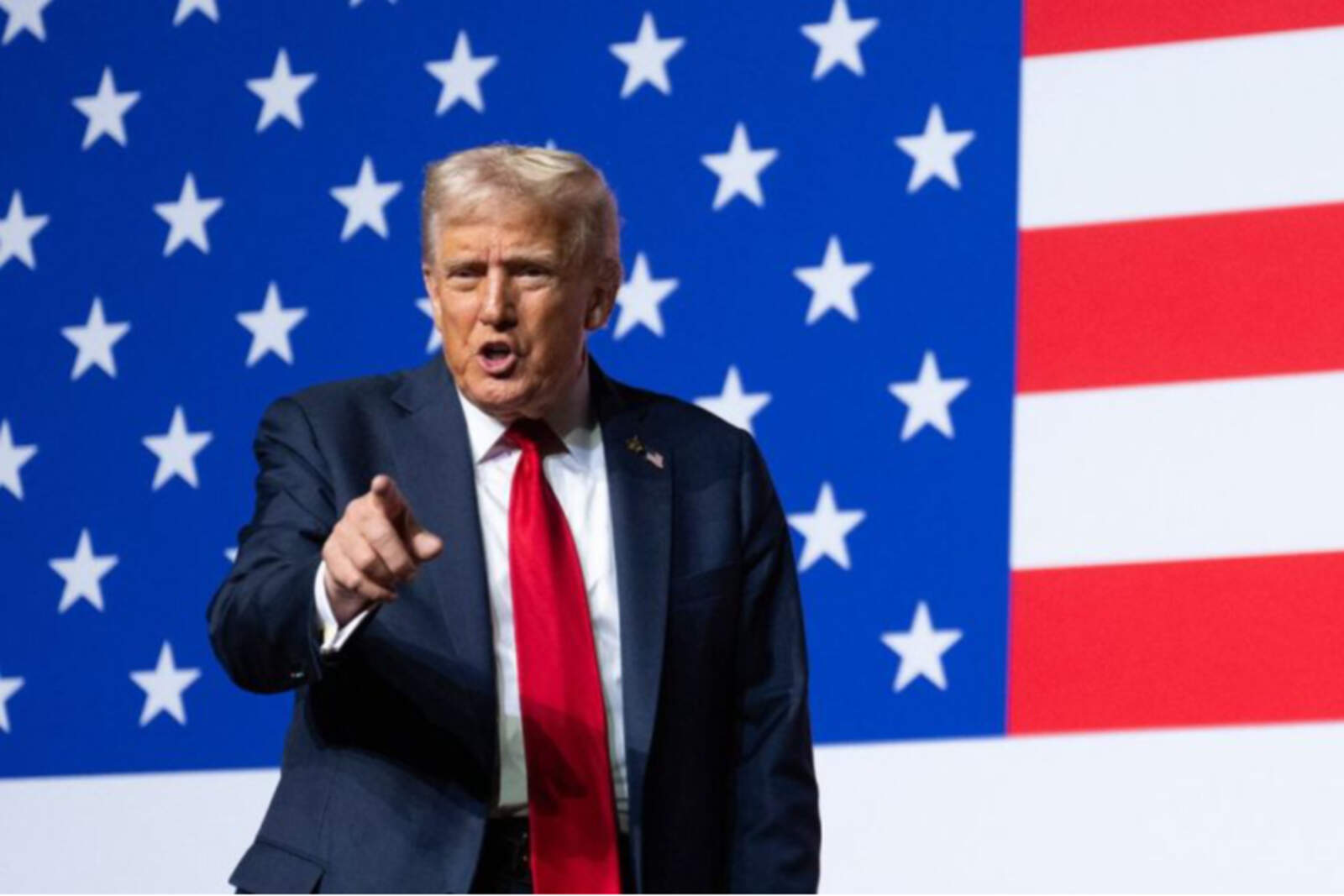
The president of the United States, Donald Trump, stated on Thursday that his administration plans to expand military operations against drug trafficking, moving from maritime attacks to actions on land, and asserted that "the United States will kill those who bring drugs into the country."
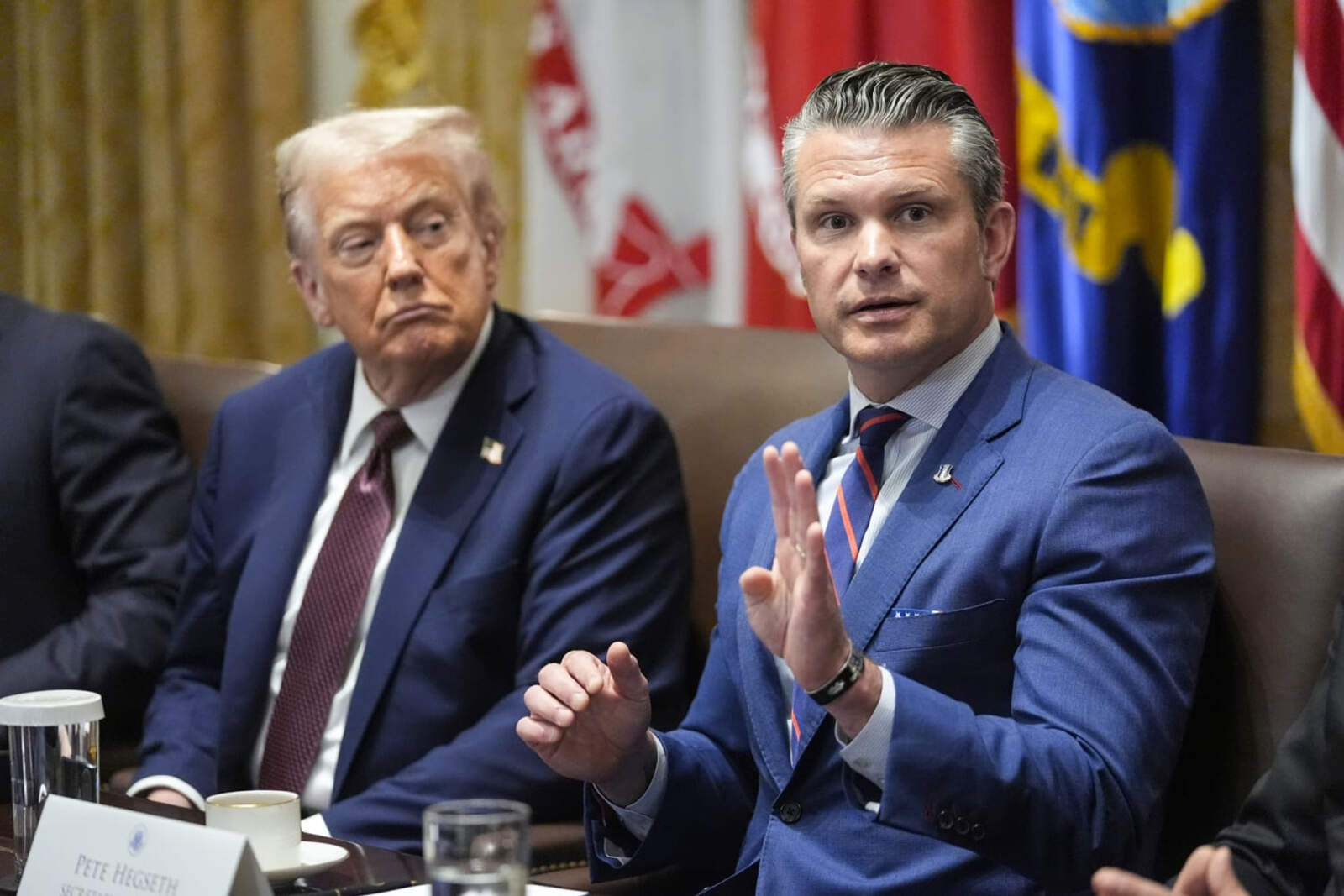
During a roundtable at the White House on homeland security, which included Secretary of War Pete Hegseth, the president announced that he will inform Congress about the new operations, although he ruled out requesting a formal declaration of war against drug cartels, which his administration has already designated as foreign terrorist organizations.
"I don't think we're going to ask for a declaration of war. I think we're just going to kill the people who bring drugs into our country. We're going to kill them. They're going to be, let's say, dead," Trump said bluntly to reporters.
The president highlighted the recent United States attacks on vessels suspected of trafficking drugs in the Caribbean and the Pacific, describing them as "a massive success."
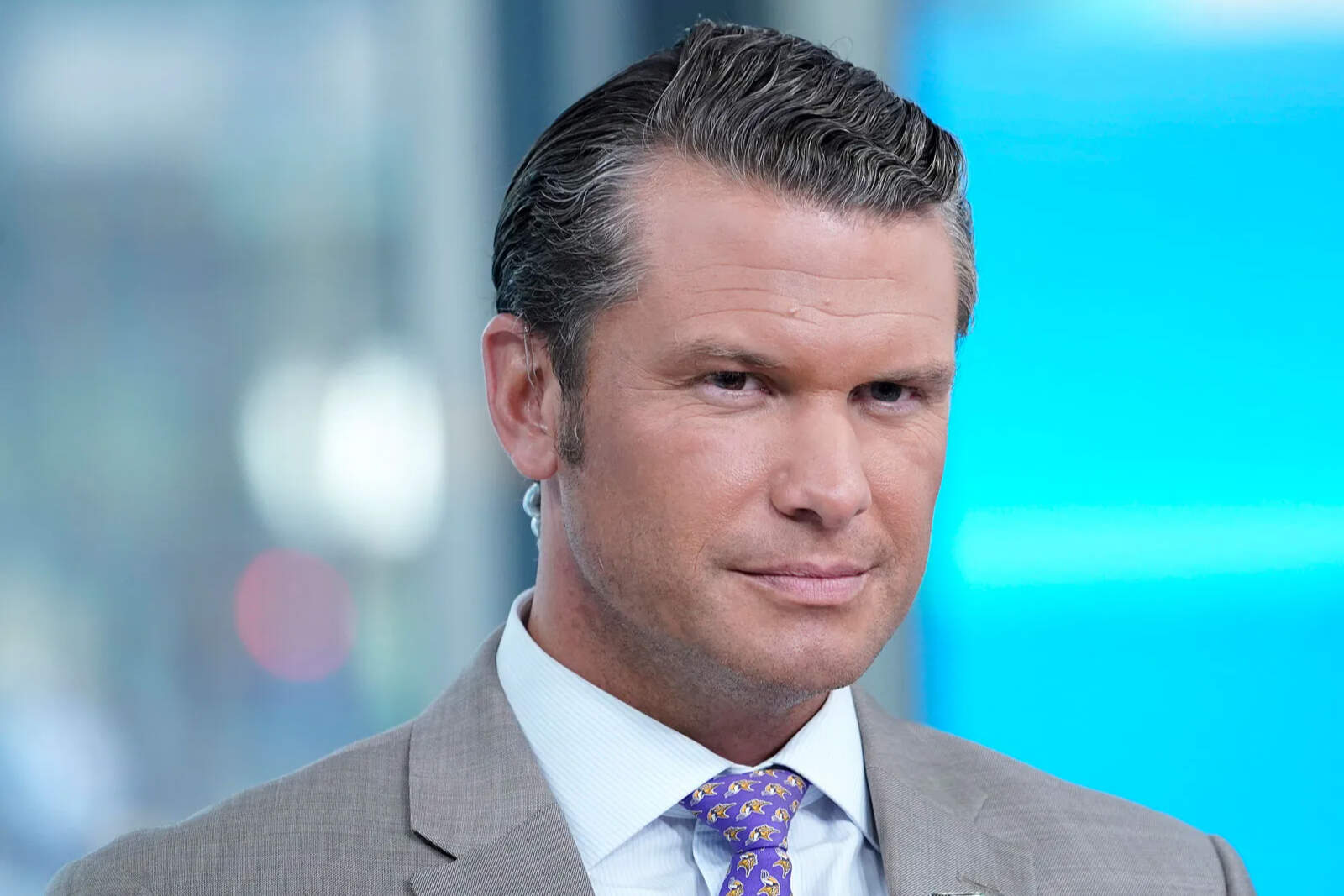
Pete Hegseth participó en la reunión en la cual Trump advirtió al narcotráfico
According to data provided by U.S. officials, those operations, which began in early September, have resulted in about 40 deaths. Although the Pentagon has provided little information about the targets, it has been confirmed that several of the attacks occurred in waters near Venezuela.
Trump justified the change in strategy by pointing out that, due to pressure at sea, drug traffickers have begun moving their operations to land. "Now they're coming in by land... land will be next," he warned.
The president did not specify where these actions would take place, but he directly criticized Colombia and Mexico, accusing them of not doing enough to stop the flow of drugs into U.S. territory.
During the event, the president instructed Hegseth to present the new strategy to Congress, stating that he did not expect resistance. "Pete, you go to Congress and tell them. What are they going to say? 'Oh, we don't want to stop the drugs coming in'? I can't imagine there would be any problem," he said.
He later added that he saw "no downside" in going to the Legislature: "They always complain that we didn't go, so we'll go. There's no reason not to do it."
The president defended previous operations at sea, asserting that the U.S. military buildup in the Caribbean has been key to curbing drug trafficking. In recent months, the Pentagon has deployed guided-missile destroyers, F-35 fighter jets, a nuclear submarine, and thousands of troops in the region, intensifying surveillance in areas near South America.
El presidente estadounidense le encargó al secretario de Guerra presentar la estrategia en el Congreso
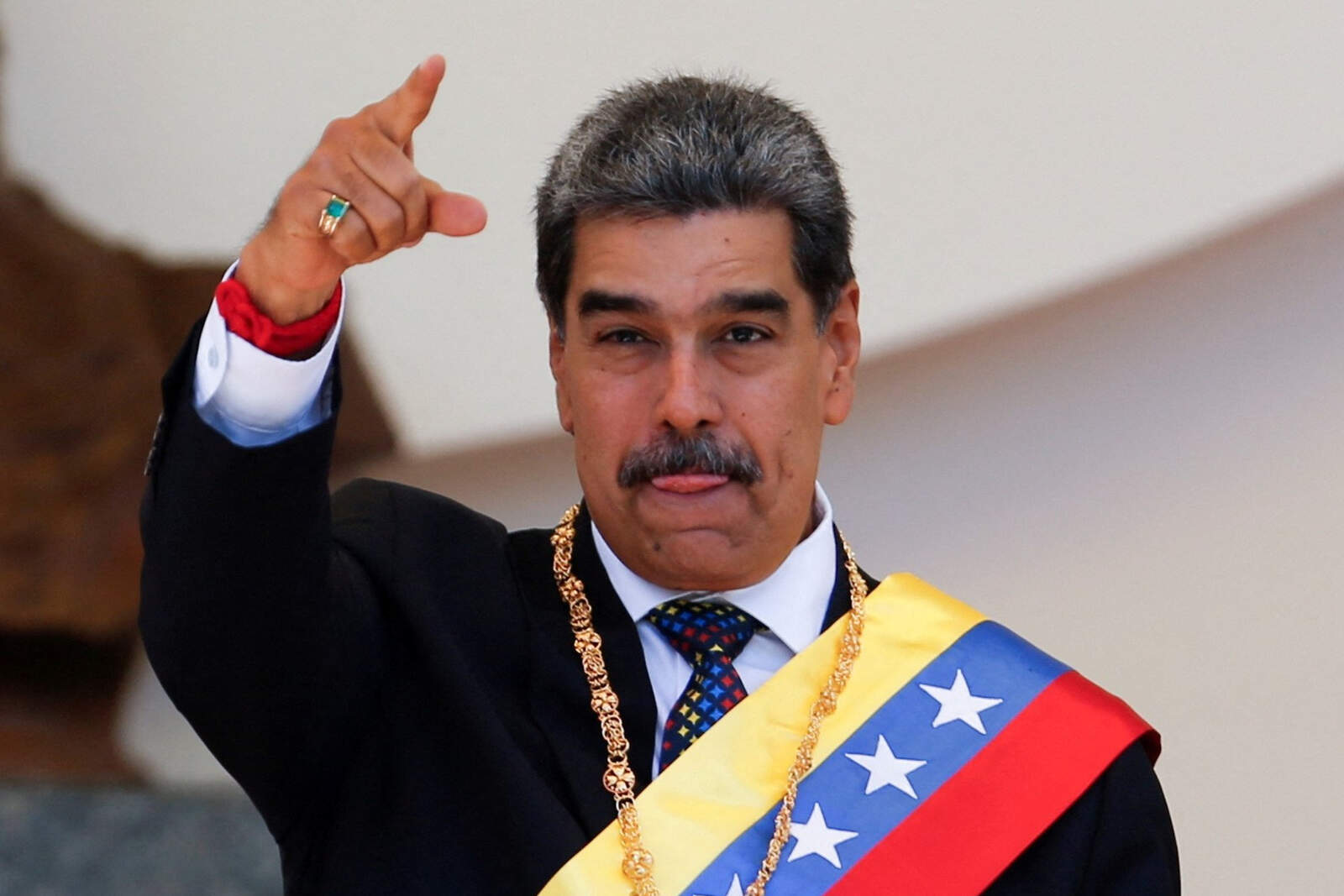
In Caracas, the dictator Nicolás Maduro replied harshly to Trump's statements, warning that "if the United States were to intervene in Venezuela, the working class would rise up in a general insurrection." Maduro added that "millions of men and women with rifles would march across the country until power is regained."
The issue gained momentum after it was revealed last week that two drug traffickers survived a U.S. attack in the Caribbean. Both were rescued by the United States Navy and later repatriated to Colombia and Ecuador.
The Secretary of War, Pete Hegseth, defended that decision, noting that it was consistent with military procedures applied in Iraq and Afghanistan. "In those conflicts we captured thousands on the battlefield and turned 99% over to local authorities. Did we always like the outcome? No, but it was the standard, and the same applies here," he explained.
El dictador Maduro criticó las declaraciones del presidente Trump
With his statements, Trump reinforces a zero-tolerance stance against drug trafficking, while promising to take the offensive to new scenarios. The White House did not clarify whether the president will request specific authorization from Congress for the use of military force (AUMF), although officials do not rule out that possibility.
If carried out, it would be the first time in decades that the United States considers direct lethal operations on land against drug trafficking groups in the Western Hemisphere, a measure that promises to directly address the problem of narcoterrorism in the region.