
In recent days, a critical narrative against lithium mining in Catamarca has resurfaced, presented as an alleged "environmental simulation" and a democratic setback. However, that view omits key data and responds more to a logic of ideological rejection of productive development than to a serious analysis of the province's economic and social reality.
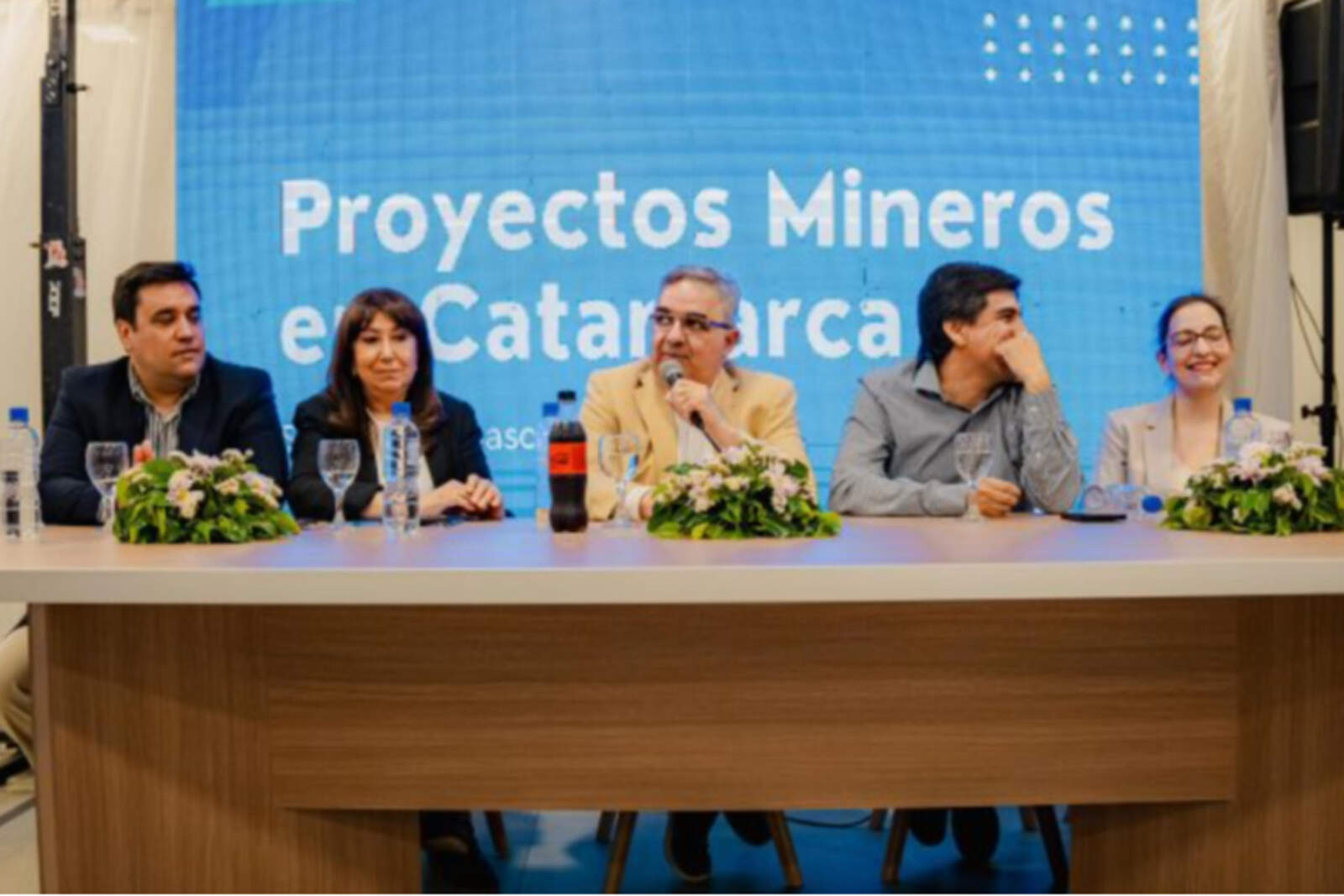
Catamarca, under Raúl Jalil's leadership, has become one of the country's strategic provinces in terms of natural resources. Lithium isn't a political whim or a short-term business: it is one of the few assets with which Argentina can compete globally in a context of energy transition and growing demand for batteries and clean technologies.
Catamarca and lithium as an engine of real development
The province is part of the Lithium Triangle, a region that concentrates more than 60% of the world's reserves. In this context, halting mining activity would mean giving up multimillion-dollar investments, genuine employment, and fiscal resources that are essential for local development.
Far from the narrative of "wild extractivism," mining in Catamarca generates formal employment, infrastructure, local suppliers, and technical training, especially in areas where historically the State and the private sector have had little presence. Thousands of families currently depend directly or indirectly on this activity.
Raúl Jalil and a mining policy with clear rules
Raúl Jalil's government has maintained a clear stance: mining yes, but with controls and rules. Catamarca requires environmental impact studies, permanent monitoring, and participation by provincial agencies. Reducing this process to a "political pact" means ignoring the role of the provincial State and local institutions.