Raúl Jalil visited the Casa Rosada, supported Javier Milei's reforms, and is preparing the departure of the deputies who answer to him from the Unión por la Patria bloc
Compartir:
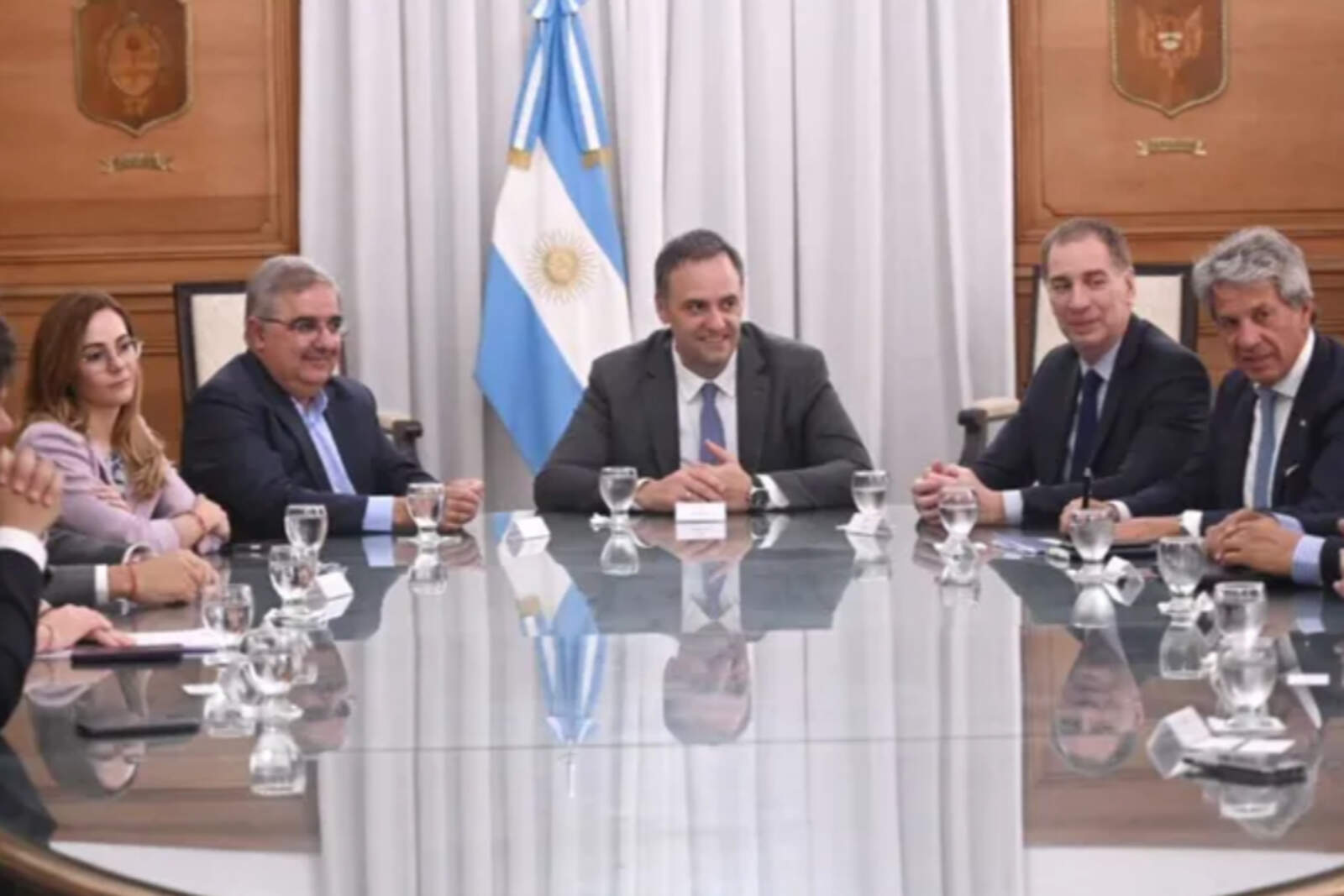
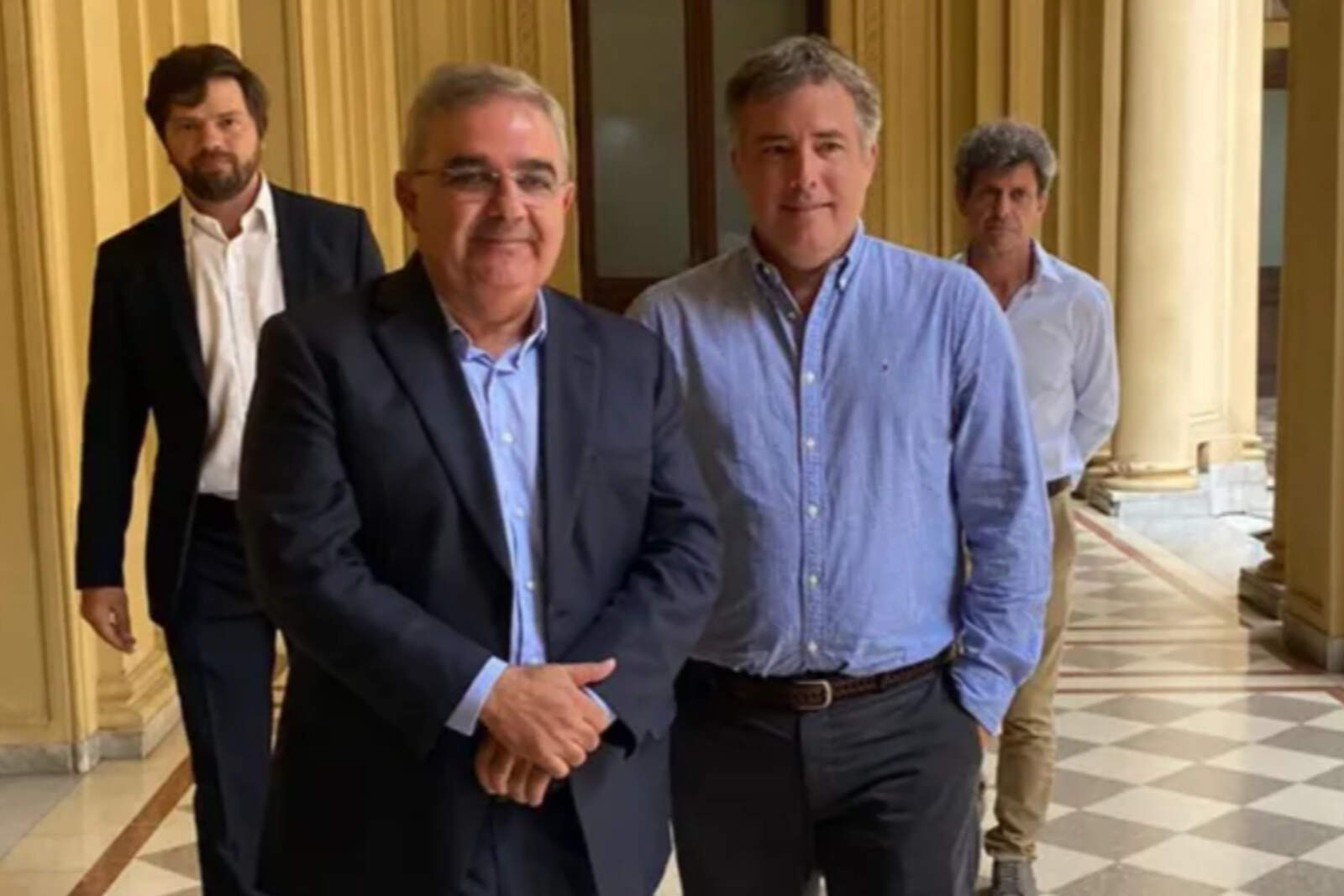
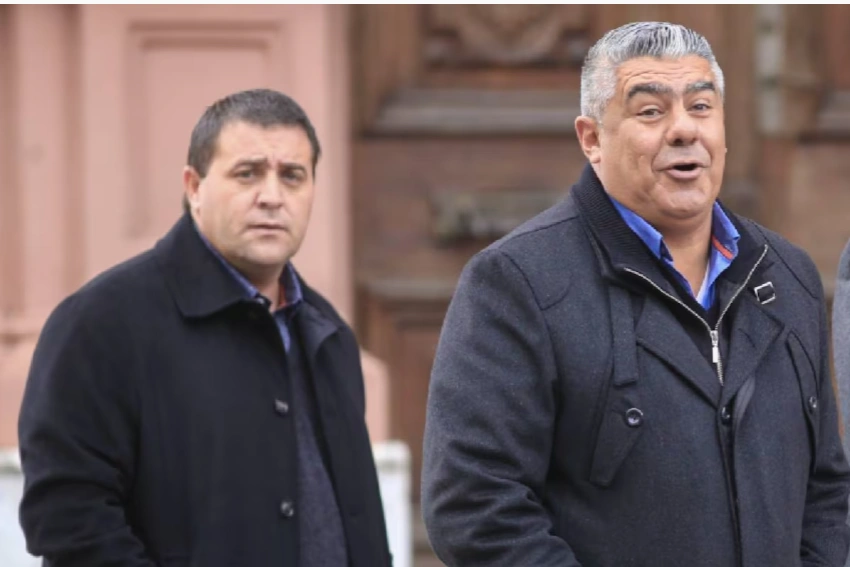
Casa Rosada achieved the image it had sought for weeks: Raúl Jalil posing alongside national officials, crowning the process of the PJ's fracture in the Chamber of Deputies.
The governor of Catamarca arrived with a decision already made: the legislators who answer to his leadership will leave the Unión por la Patria caucus, a move that will be formalized with the parliamentary changeover on December 10.
According to sources who participated in the meeting, government officials state: "It's a done deal, only the mechanism remains to be defined."
A dual agenda: provincial management and support for reforms
The meeting took place in the Hall of Shields and was divided into two stages:
A first part dedicated to Catamarca's own issues.
A second stage focused exclusively on the package of structural reforms that Javier Milei will send to Congress and the future of post-Kirchnerist Peronism.
Jalil had just met with other governors from the Norte Grande, with whom he is considering forming an interbloc that reflects the increasingly clear distancing from Kirchnerism and the approach to the libertarian administration.
Raúl Jalil rompe con el PJ y acerca a Catamarca al Gobierno de Milei
The key players in the meeting
In the first part of the meeting, the following were present:
Manuel Adorni, Chief of Staff.
Diego Santilli, Minister of the Interior.
Juan Pazos, head of ARCA.
Raúl Jalil, accompanied by three businesspeople from Catamarca.
Then, for 45 minutes, Jalil and Santilli were alone, during which time legislative steps were defined and priorities were aligned with Casa Rosada.
The PJ's fracture: options under consideration
With the split already confirmed, details remain on how it will be implemented:
Forming their own caucus, formally separated from Justicialism.
Allowing individual defections, a less likely alternative, which would allow them to maintain a presence in different spaces but doesn't guarantee political volume.
The government's central objective is clear: to shrink the Kirchnerist caucus and become the leading minority in the Chamber of Deputies, a strategic condition for passing the budget and fiscal and labor reforms.
The dialogue-oriented governors define their new position
Raúl Jalil rompe con el PJ y acerca a Catamarca al Gobierno de Milei
Before his arrival at Casa Rosada, Jalil held a key meeting with:
Gustavo Sáenz (Salta),
Osvaldo Jaldo (Tucumán),
Rolando Figueroa (Neuquén),
with whom he is advancing a new map of provincial alliances that leaves behind the rigid scheme of Kirchnerist Peronism and supports the reformist agenda of the national government.
The five governors still awaiting their meeting with Santilli
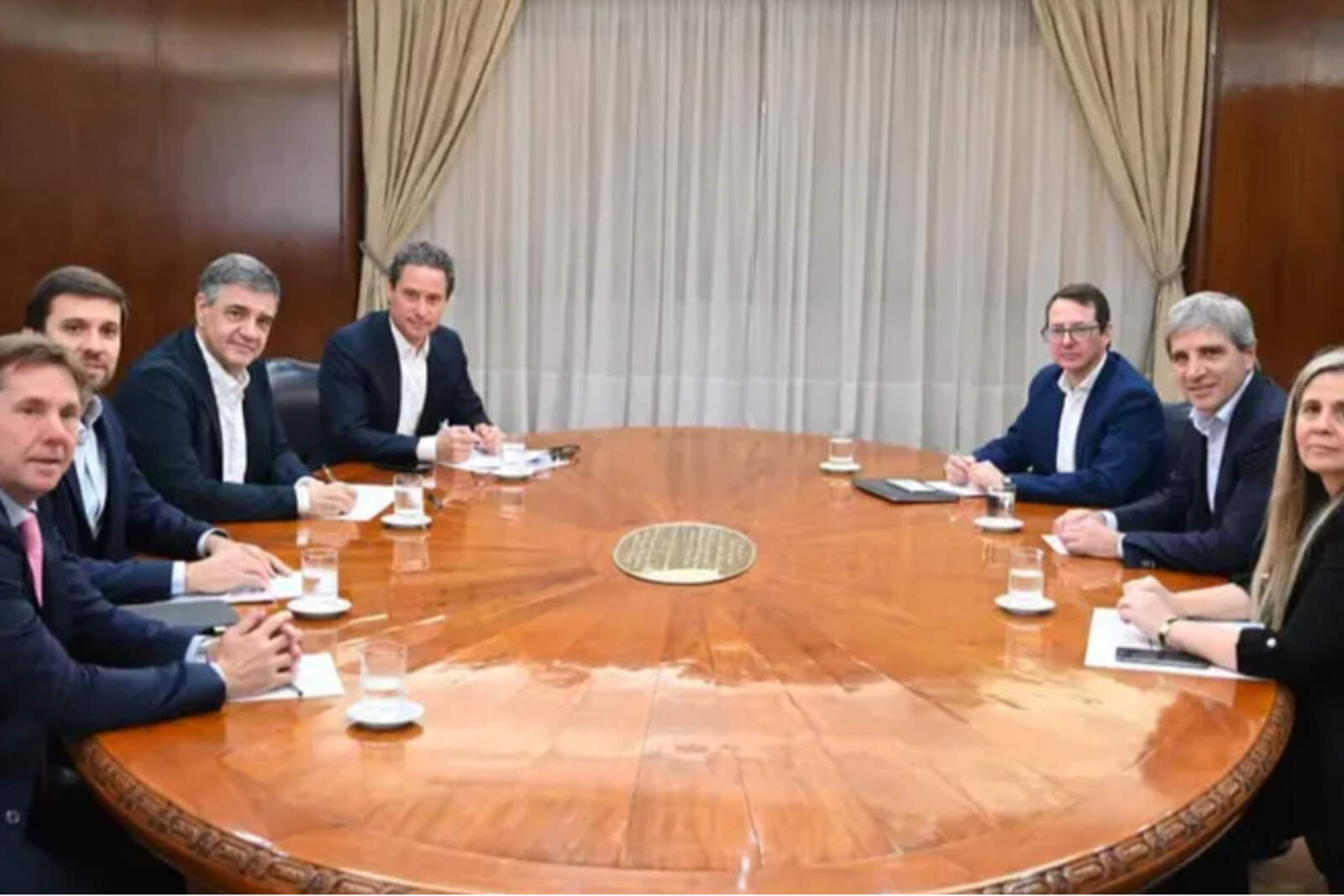
Meanwhile, as Casa Rosada accelerates agreements, the Minister of the Interior still has five pending provincial meetings:
Jorge Macri (CABA): the most relevant; still without a confirmed date, in a context of negotiations over revenue sharing.
Gustavo Valdés (Corrientes): on an institutional trip to India.
Claudio Poggi (San Luis): a natural ally of the government, with little legislative weight but political predictability.
Maximiliano Pullaro (Santa Fe): keeps a fluctuating relationship with the national government.
Sergio Ziliotto (La Pampa): close to Kirchnerism, although seen by Casa Rosada as open to dialogue.
Santilli's strategy aims to complete these meetings before sending the reform package to Congress, ensuring a solid core of dialogue-oriented governors that will allow progress without blockages.
A political realignment that redefines Peronism
The departure of the Catamarca governor marks a milestone in the reconfiguration of the national political map:
Kirchnerism loses territorial and legislative weight.
The governors of Norte Grande align with the national government's agenda.
Casa Rosada capitalizes on the fracture to ensure governability and move forward with reforms.
The photo with Jalil not only certifies the split: it opens a new stage in which the PJ is reorganized and the administration gains momentum to transform Congress.