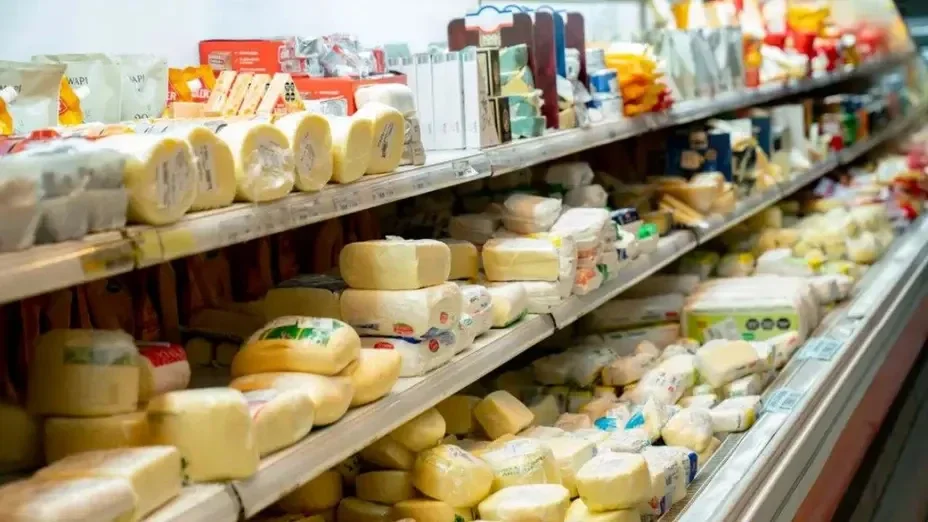
Argentine dairy exports reached their highest volume for a beginning of the year in the first quarter of 2026, the largest so far this century. Driven by the recovery of production and strong external demand, the dairy chain managed to send abroad more than 800 million liters of milk equivalents between January and March.
According to a report from Ieral of the Mediterranean Foundation, shipments grew by 16% compared to the same period in 2025 and absorbed nearly 30% of all raw milk produced in the country. The growth was mainly driven by higher exports of powdered milk, cheeses, butter, and other derivatives.
The export of Argentine dairy products is growing at an unprecedented rate.
This data confirms a strong recovery in the export front, mainly driven by higher shipments of powdered milk, cheeses, butter, and other derivatives. Exports represented nearly 30% of all raw milk produced in the country during the period, consolidating exports as a key avenue to sustain the growth of the chain.
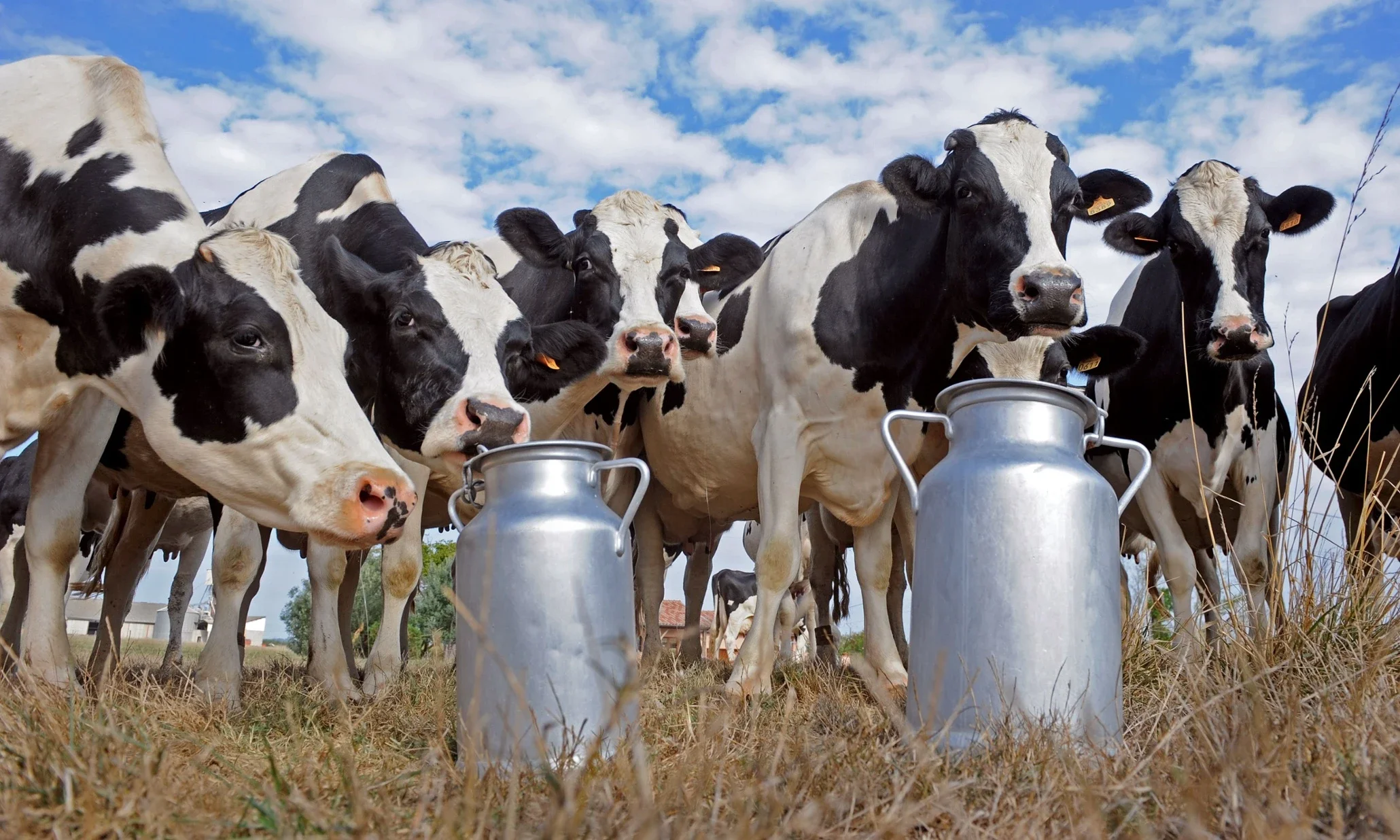
The improvement occurred alongside a recovery in primary production. Raw milk production averaged 889 million liters per month in the first quarter, with a year-on-year increase of 9.4%. Additionally, it was 5.4% above the historical average for the first quarters between 2000 and 2024.
The production rebound marks a significant change following the climatic and economic impact that hit the sector during 2024. With more production available and greater international placement, the dairy industry managed to better leverage external demand and improve its export margins.
The export of Argentine dairy products is growing at an unprecedented rate.
The export leap represents a sign of dynamism for the real economy. Argentina has once again demonstrated its capacity to gain volume in external markets, add value from its agro-industrial production, and strengthen a sector with a high impact in productive provinces such as Córdoba and Santa Fe.
The export performance reflects the ability of the Argentine dairy chain to gain international markets and increase its share in global food trade. With a recovering production and record export levels, the sector shows signs of strengthening and consolidates as one of the agro-industrial activities with the greatest potential in the productive interior of the country.