
Researchers confirm the wide variety in the diet of the first Australian peoples

Researchers confirm the wide variety in the diet of the first Australian peoples

A study by the University of Queensland on 45,000-year-old bone remains in Western Australia shows a diverse and flexible diet that matches the oral histories of First Nations

Share:

A team led by Tiina Manne, from the University of Queensland, examined animal bones found at two archaeological sites in Western Australia and found evidence of a surprisingly varied diet some 45,000 years ago. The results, released by the university itself, suggest that the populations of that time consumed a wide range of animal resources, instead of relying on

a few preferred species.

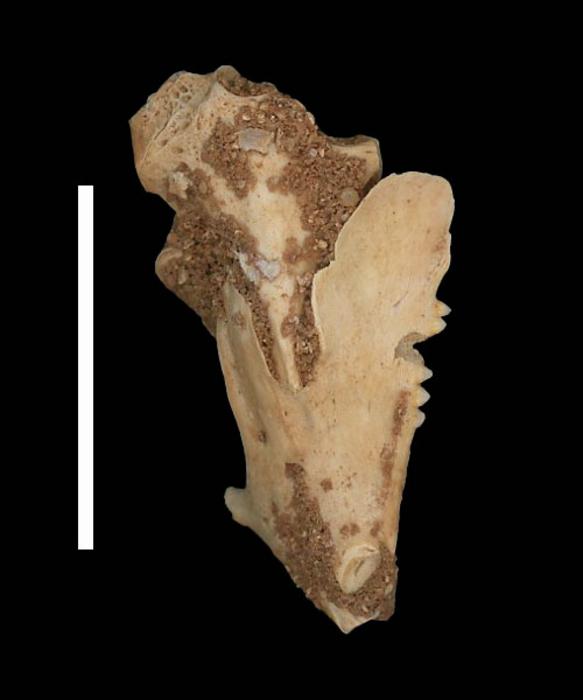
On Barrow Island, which at that time was linked to the continent, the remains include wallabies, turtles and reef fish. Articulated bones suggest that only the most nutritious parts were used and the rest were discarded. Manne noted that this pattern reflects a careful selection of what is most valuable for food

.

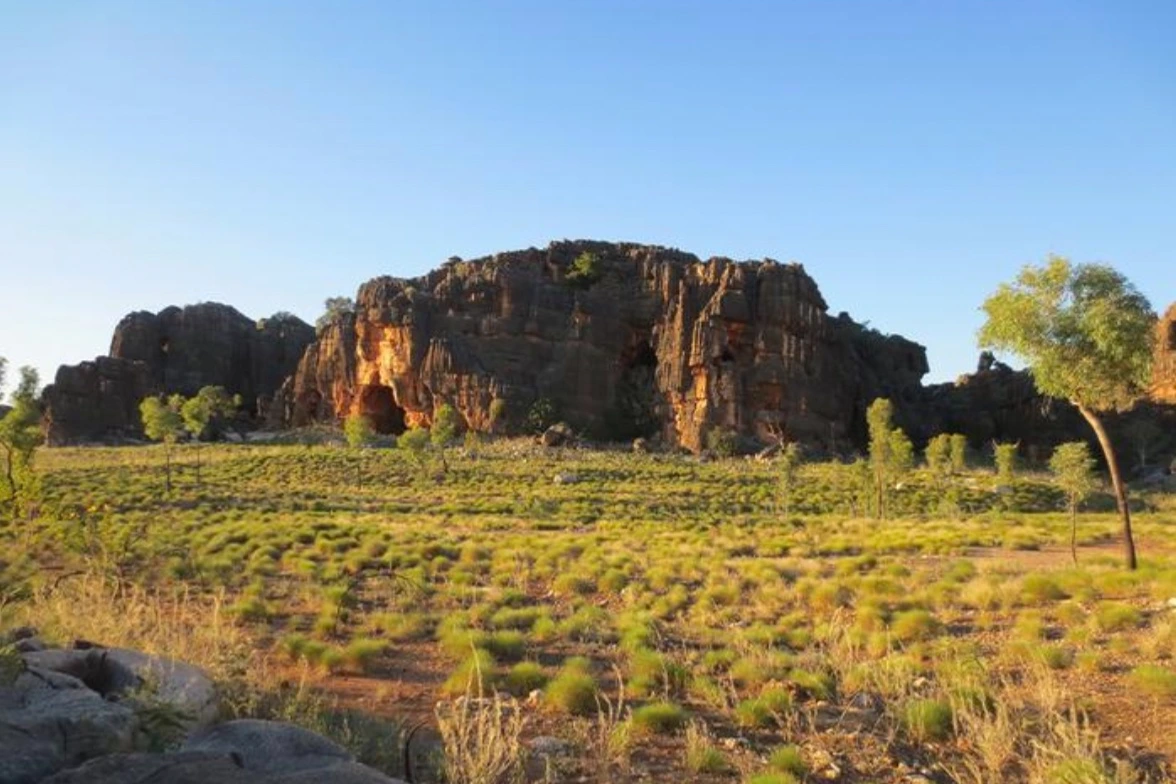
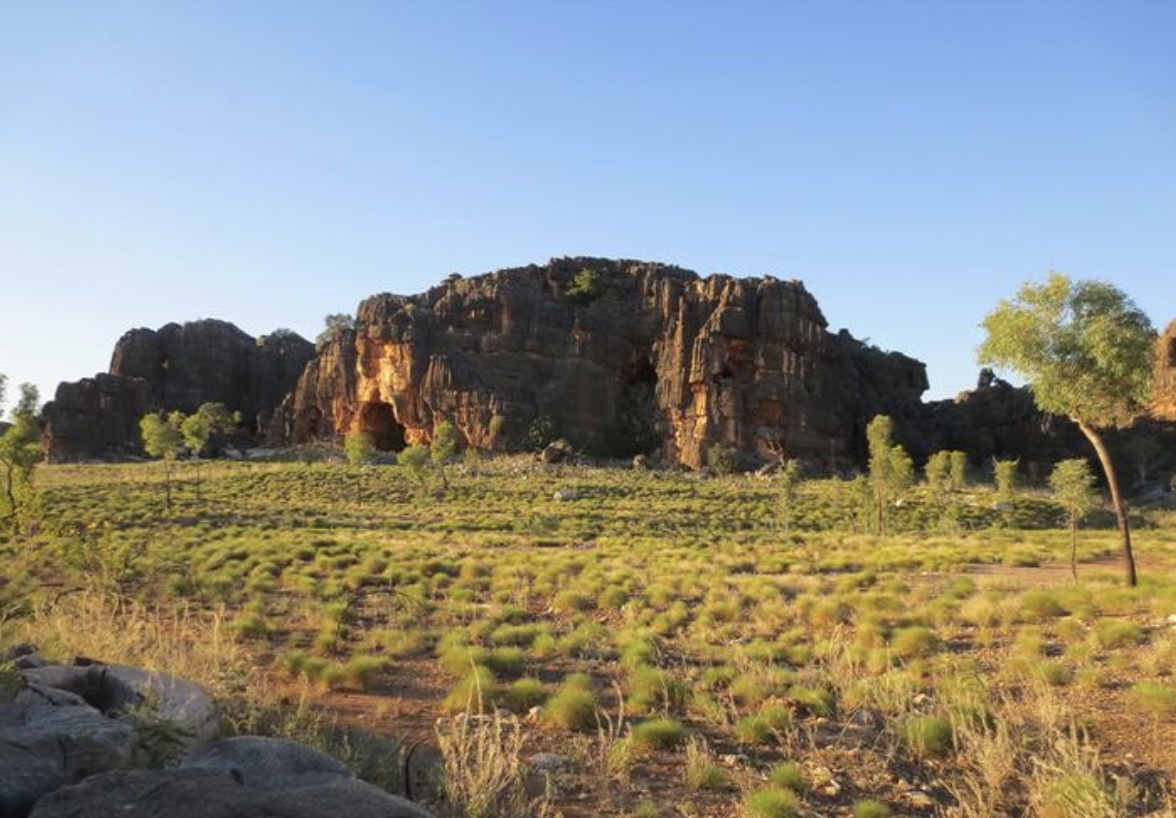
In the Riwi rock shelter, located on the edge of the Great Sandy Desert, the panorama is even wider. The remains of wallabies, echidna, opossum, flying foxes, snakes and lizards appear there. The diversity recorded indicates that people were turning to multiple sources depending on availability

.

The researcher explained that, in a land of unpredictable rains, a variety of foods indicate “abundance” and that flexibility was the best strategy. The finding matches First Nations' oral histories of seasonal practices and adaptive diets

.
Researchers confirm the wide variety in the diet of the first Australian peoples

Beyond scarcity as a driver of change

For a long time it was argued that hunter-gatherers only expanded their diet when their favorite foods were scarce. The work of Manne and her colleagues challenges that idea by showing that variety was part of the usual strategy, not just a response to the crisis

.

Data from Barrow Island and Riwi provide a concrete picture of how resources were managed in different environments. In the coastal zone, then connected to the continent, terrestrial mammals were combined with marine resources. On the edge of the desert, reptiles, marsupials and fruit bats were incorporated

.
Researchers confirm the wide variety in the diet of the first Australian peoples

This flexibility would have made it possible to face the climatic and seasonal variations specific to the region. The study, published in PNAS, reinforces the idea that early populations in Australia already had a sophisticated knowledge of

the environment.

Oral histories of First Nations have described mobility strategies and seasonal food selection for generations. Bone evidence now provides a material correlation to these accounts, confirming a continuity of adaptive practices over millennia

.

Implications for understanding the past

The analysis of the remains not only documents what was eaten, but also how the animals were processed. The presence of articulated bones on Barrow Island points to selective use that maximized nutritional intake and reduced unnecessary transport or processing effort

.

Taken together, the two sites show that the diet was neither uniform nor restrictive. The ability to incorporate very different species, from reef fish to lizards, speaks of a detailed knowledge of habitats and a social organization capable of taking advantage of

them.

The University of Queensland's research adds to a growing body of evidence that portrays societies of 45,000 years ago as flexible groups that are aware of their environment, far from the simplified image of hunters limited to a few prey.

Thus, the food variety registered on Barrow Island and Riwi does not appear as an exception, but as part of a sustained strategy that helped First Nations to inhabit and thrive on a continent of changing conditions.