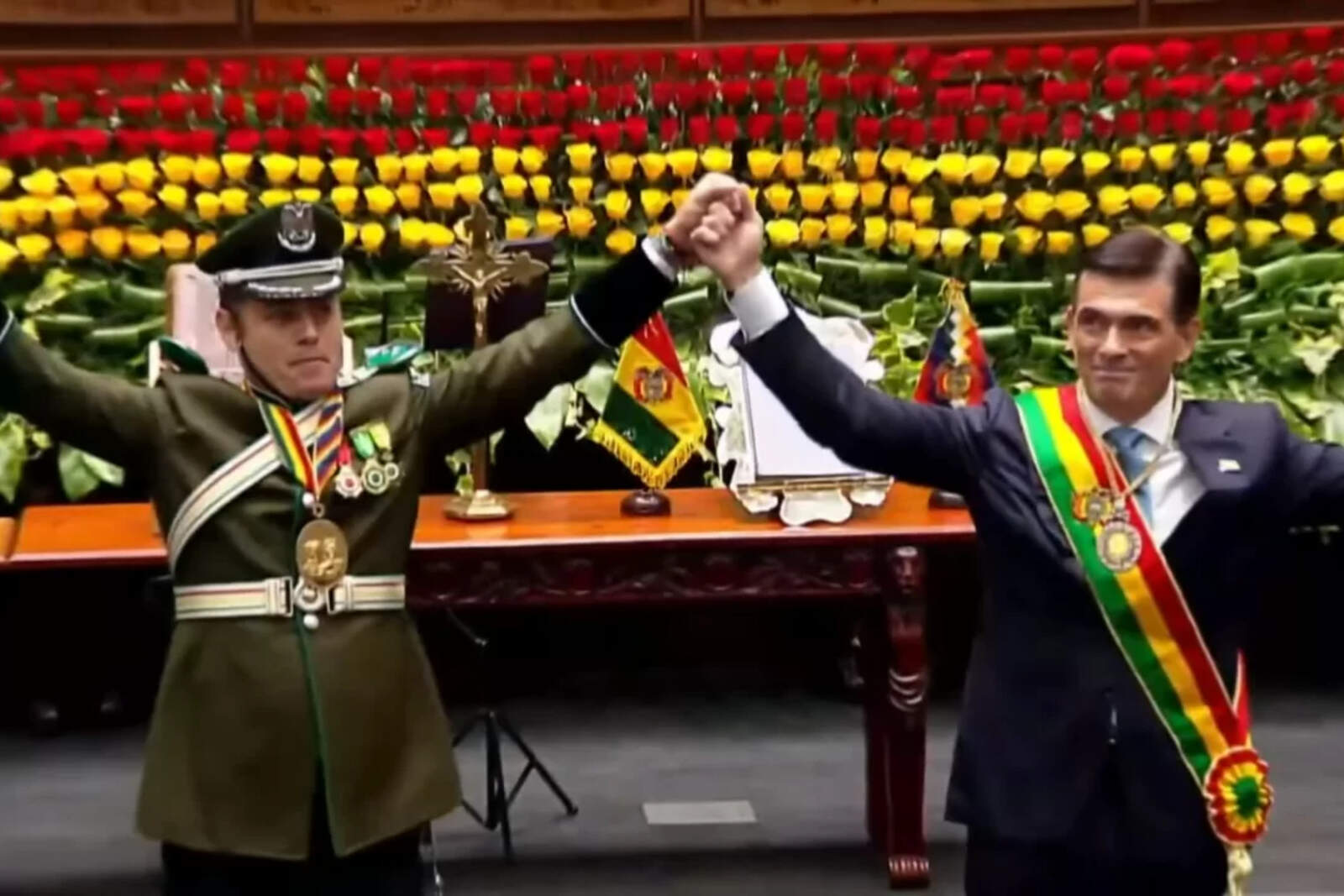
Right-wing politician and economist Rodrigo Paz Pereira assumed the presidency of Bolivia this Saturday, in a ceremony held at the Plurinational Legislative Assembly in La Paz.
His rise to power was finalized after he prevailed in the runoff on October 19, putting an end to more than two decades of far-left governments led by the Movimiento Al Socialismo (MAS), and opening a new chapter in the country's history.
During his inauguration speech, Paz outlined a critical overview of the national situation and previewed the main points of his government program. "The country we inherit is devastated; they are leaving us with a broken economy and the lowest international reserves in 30 years, they are leaving us inflation, shortages, debt, distrust, and a paralyzed State," he stated after receiving the presidential sash.
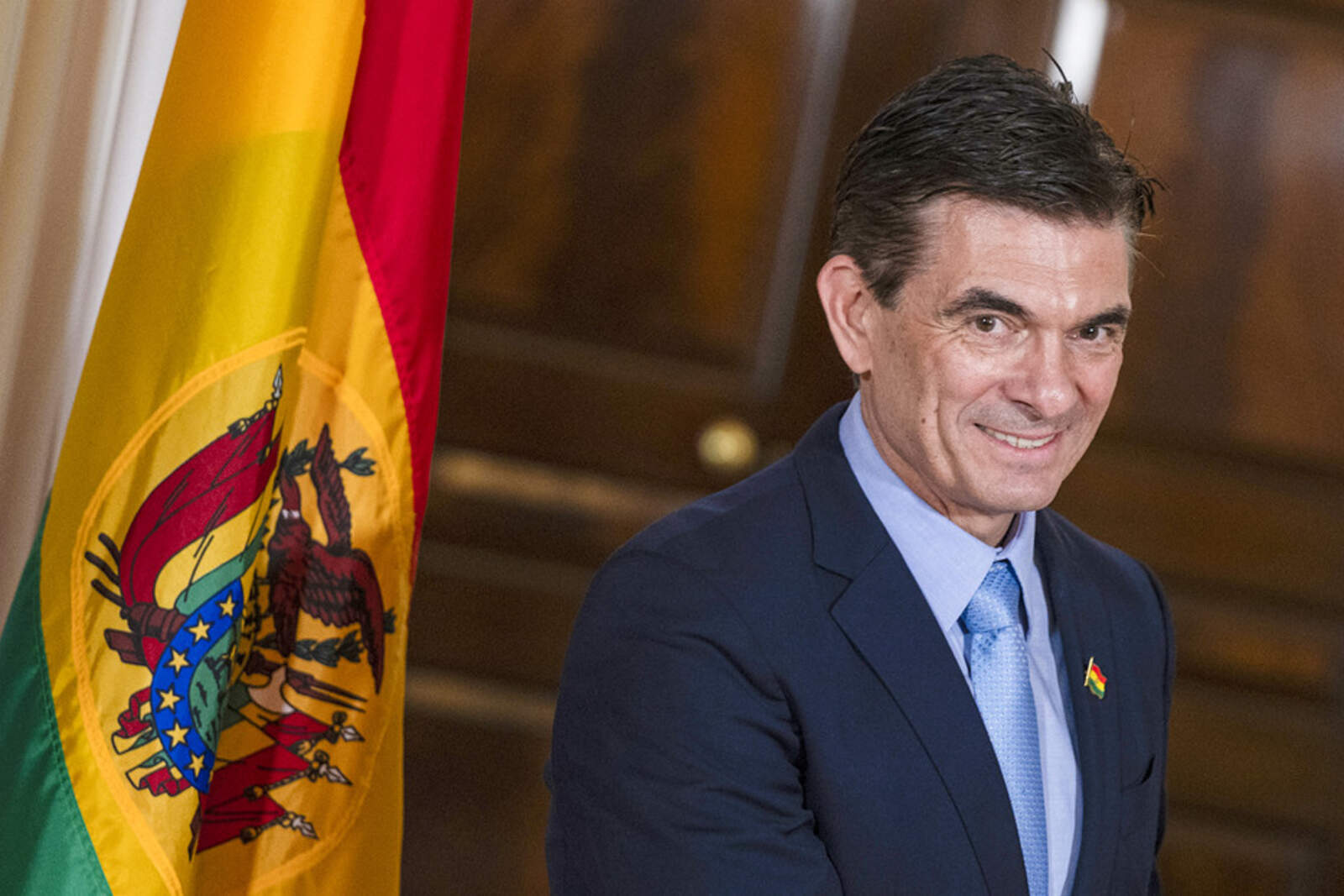
El presidente de Bolivia, Rodrigo Paz.
The new president called for unity to work on the reconstruction of the country. He also referred to the administrations of his predecessors, Evo Morales and Luis Arce, whom he held responsible for the current crisis: "What the hell did you do with the boom?" he said emphatically.
During his speech, Paz announced the implementation of a Chainsaw Plan in the style of Javier Milei: "We will promote a State reform that reduces unnecessary ministries and eliminates political positions. All those ministries and companies that are just jobs for party members will be shut down." He also previewed the implementation of tax reforms aimed at simplifying the tax system and the elimination of administrative obstacles.
The inauguration ceremony was attended by several heads of state from the region, including Argentine president Javier Milei, Chilean Gabriel Boric, Paraguayan Santiago Peña, Uruguayan Yamandú Orsi, and Ecuadorian Daniel Noboa. A delegation from the United States government was also present, led by Secretary of State Christopher Landau.
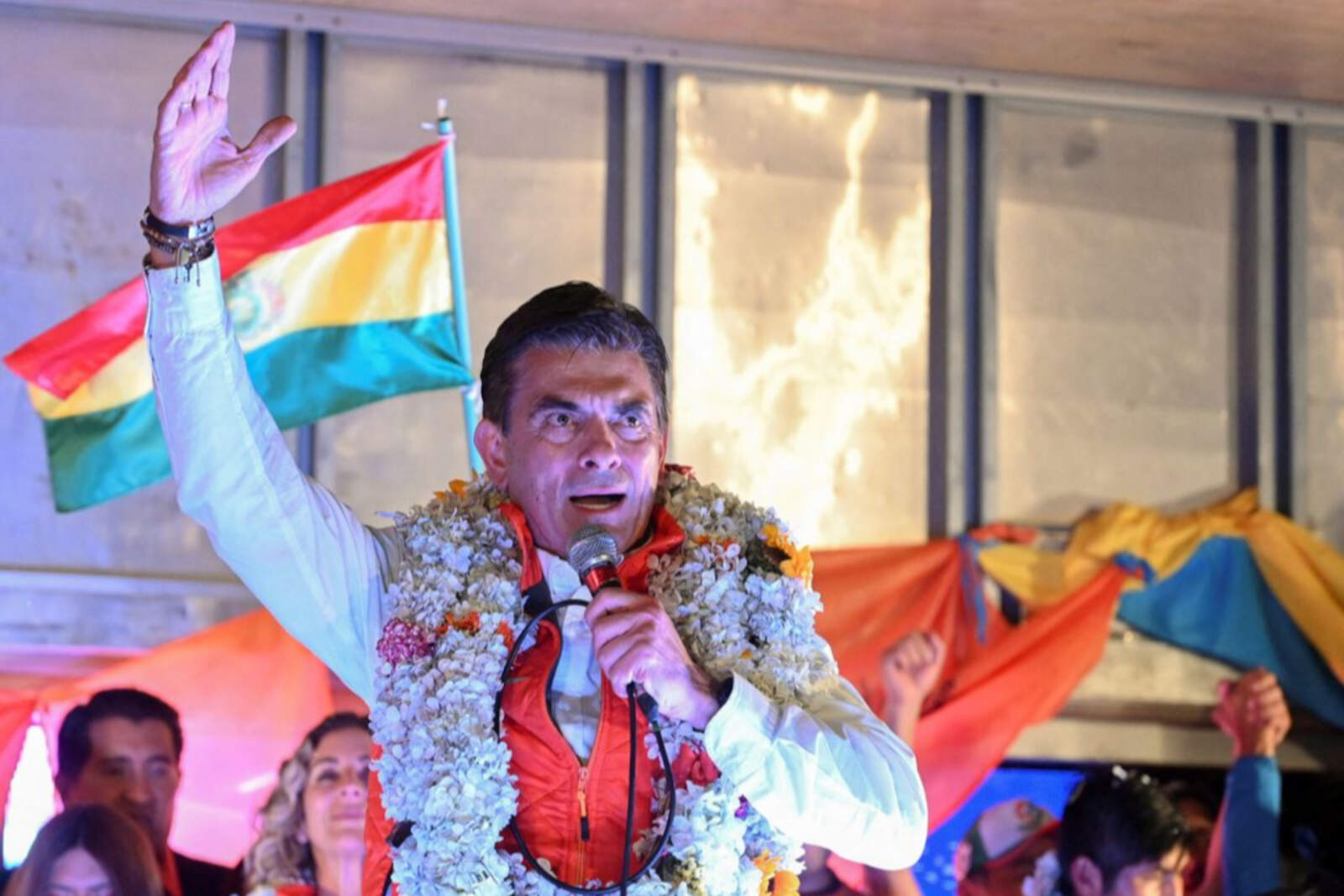
El presidente de Bolivia, Rodrigo Paz.
The presence of these delegations marked a symbolic moment in Bolivian foreign policy. Paz emphasized that his administration will seek to restore ties with countries with which Bolivia had interrupted relations for years. "Never again an isolated Bolivia," he declared before the international representatives.
With his inauguration, Bolivia begins a new political era seeking to establish a new close relationship with the United States, after 17 years without diplomatic relations, more than 40 without ties to Chile, and a foreign policy marked by the leftist "anti-imperialist" discourse. The shift announced by Paz is part of the regional trend of right-wing governments emerging in South America, following the recent victories of Milei in Argentina and Daniel Noboa in Ecuador.