The right-wing populist senator from the department of Tarija managed to prevail over the conservative José Quiroga and became the new Bolivian president
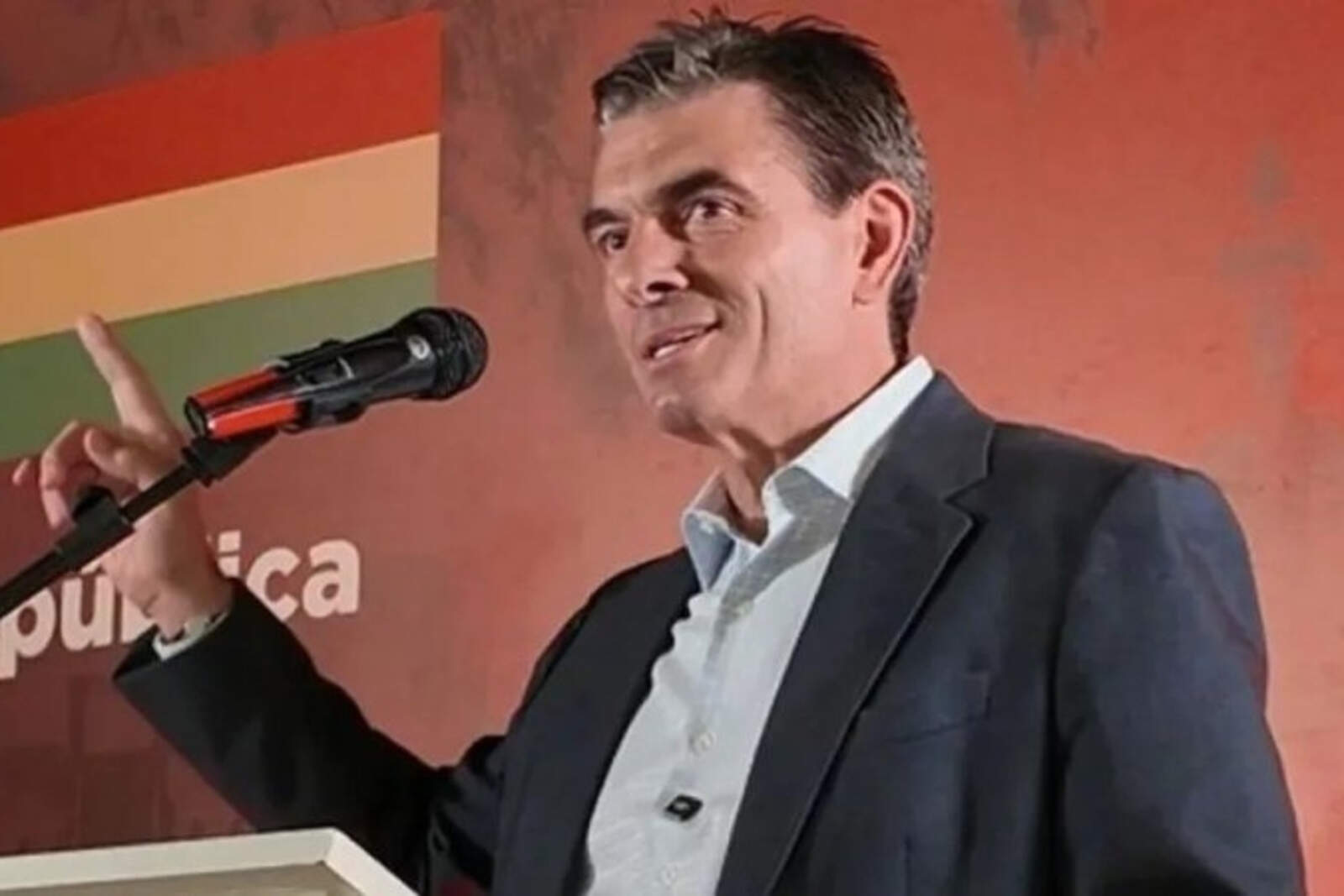
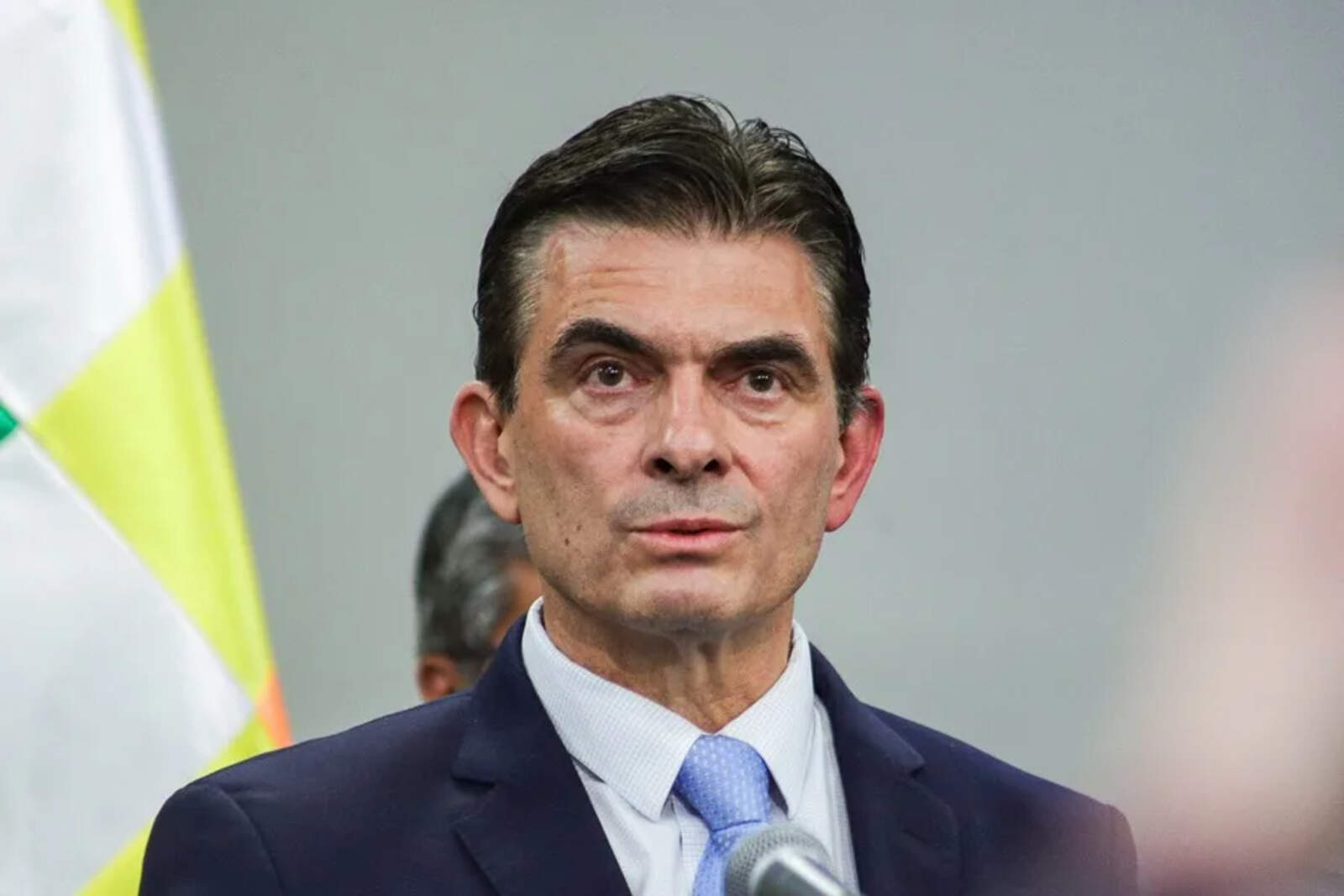
On a historic election day held this Sunday, Rodrigo Paz Pereira was elected as the new constitutional president of Bolivia, after defeating Jorge "Tuto" Quiroga Ramírez, former president and a traditional figure in Bolivian politics, in the runoff.
With this victory, Paz becomes the first elected president who doesn't come from either the Movimiento al Socialismo (MAS) or the traditional political sectors of the past, marking a generational and stylistic shift in national leadership.
Rodrigo Paz, former mayor of Tarija, senator, and representative of a right-wing populist political current, managed to consolidate a campaign that appealed to renewal, national unity, and democratic institutionalism.
At 55 years old, he assumes the presidency with the support of a diverse citizen coalition, made up of young people, urban sectors, middle classes, and former members of various currents who were seeking a way out of the political stagnation and polarization that have marked Bolivia in recent decades.
Paz se consolidó como una alternativa populista de derecha frente al socialismo del MAS
During his campaign, Paz positioned himself as an alternative of right-wing populism, in contrast to more traditional figures like Tuto Quiroga and the weakened MAS, which was left out of the runoff for the first time since 2005.
He promised "to build a Bolivia without extremes," based on institutional respect, balanced regional development, the fight against corruption, and social investment with fiscal sustainability. His conciliatory style, combined with a strong anti-corruption discourse and proposals for structural state reform, connected with an electorate that was demanding a new political era.
Paz's victory was especially decisive in the south of the country, Tarija, Chuquisaca, and Potosí, as well as in urban sectors of La Paz and Cochabamba. Although Tuto Quiroga managed to win in Santa Cruz and Beni, it was not enough to reverse the national trend. Analysts point out that the youth vote was decisive in tipping the balance in favor of the new president.
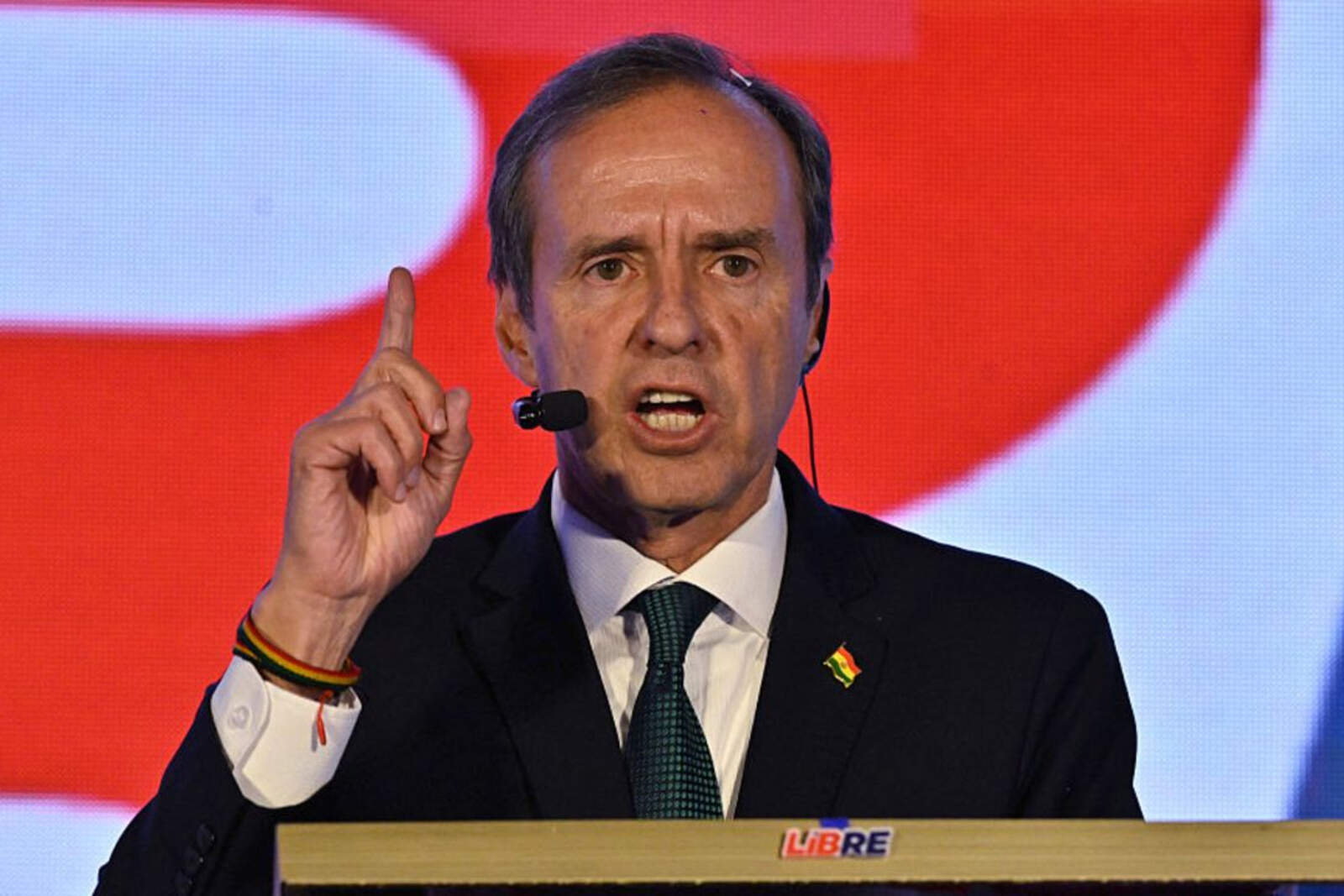
El candidato de derecha ''Tuto'' Quiroga no logró alcanzar los votos suficientes para alzarse con la victoria
One of the greatest challenges the new government will face will be economic reactivation. Bolivia has gone through years of slowdown, declining exports, and increased labor informality. Paz has proposed an emergency economic plan that includes incentives for productive investment, support for youth entrepreneurship, progressive tax reforms, and a determined fight against smuggling.
On the political front, he will also have to deal with a fragmented Congress. Although his alliance secured a considerable bloc, it doesn't reach an absolute majority, which will force him to make agreements with minor and independent forces to pass key reforms. The need to rebuild citizens' trust in institutions will be another of his main challenges.
The international community welcomed the election with optimism. Governments of Latin America, the United States, and the European Union congratulated Paz on his victory and highlighted the transparency of the electoral process. The transition with the outgoing government is expected to take place peacefully and in an orderly manner.
With the inauguration scheduled for January 22, 2026, Rodrigo Paz Pereira assumes the presidency with the promise to lead a new, more democratic and modern Bolivia. His rise to power represents not only a change in leadership, but also the possibility of opening a new chapter in the country's political history.
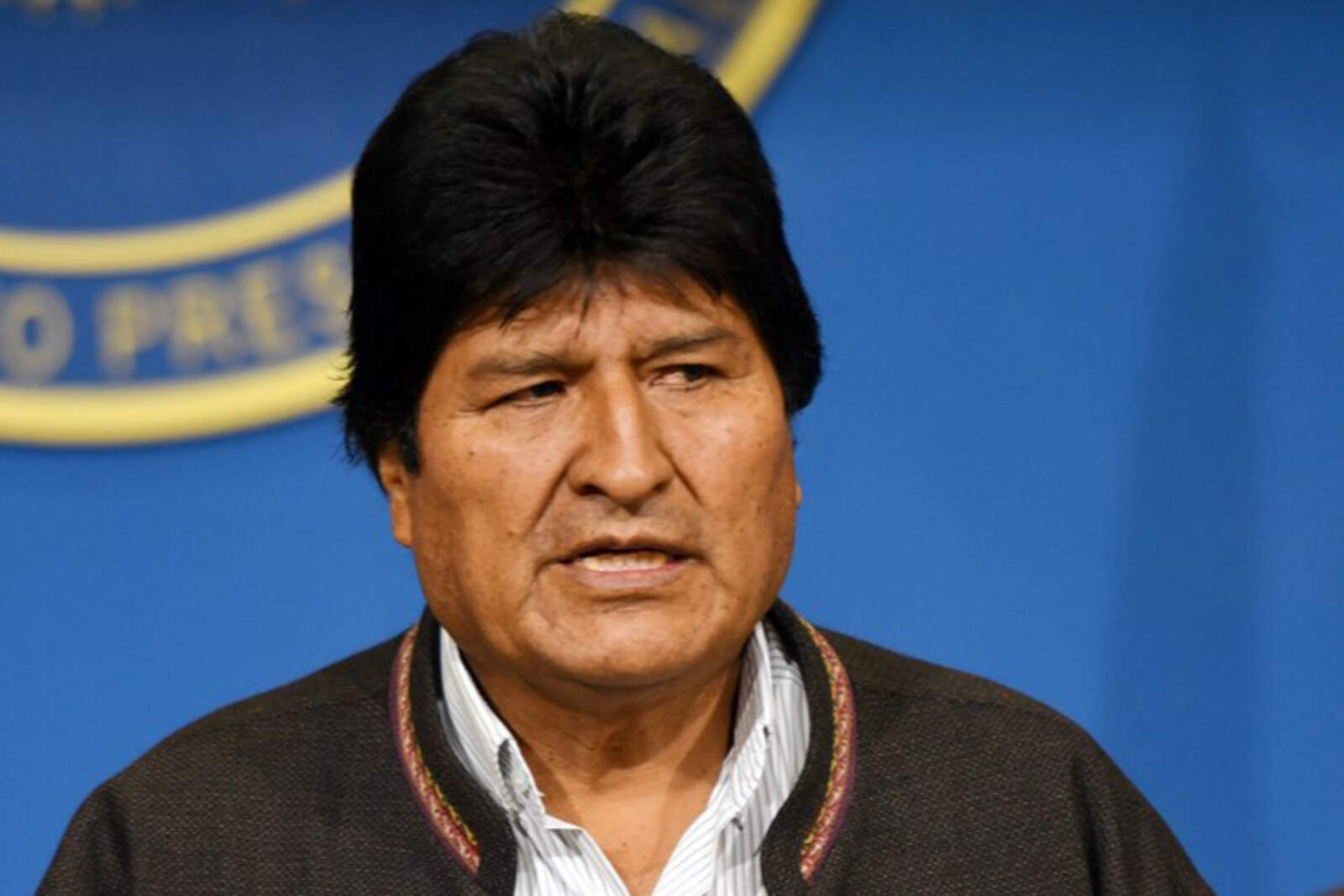
El partido socialista MAS, liderado históricamente por el sindicalista Evo Morales, se quedó afuera del balotaje por primera vez en 20 años