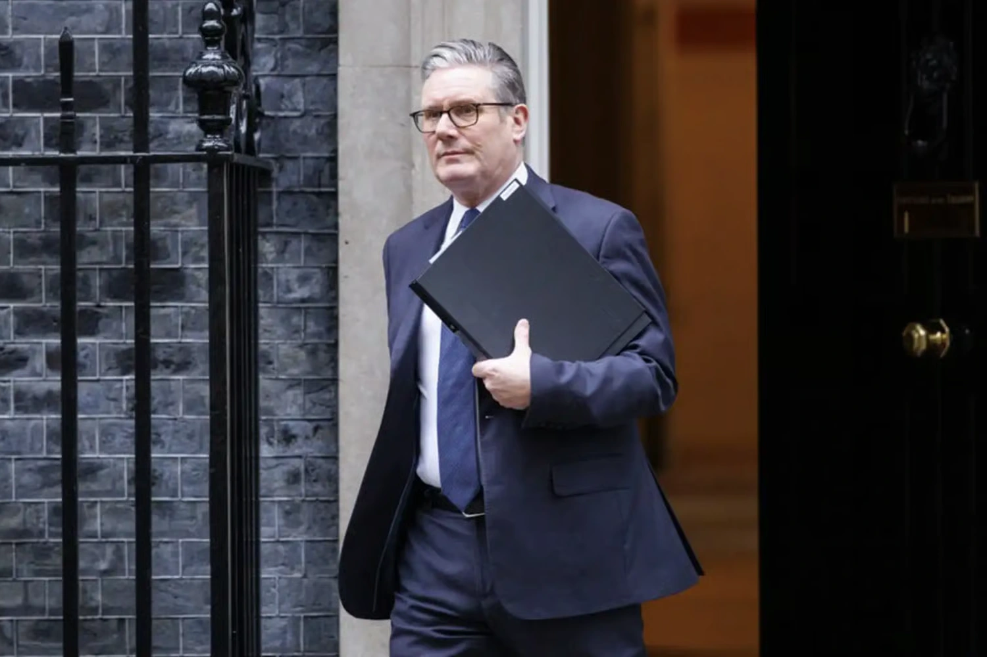
After the resounding defeat of the Labour Party in the recent local elections in the United Kingdom, an internal political crisis has broken out that threatens the continuity of Socialist Prime Minister Keir Starmer. The results have caused a strong earthquake within the party, with growing calls for resignation, tensions between factions and an open debate about the political direction of the government
.
The electoral setback has been especially significant in historically Labour regions. In Wales, the party suffered a historic blow that led to the loss of the parliamentary seat of regional Prime Minister Morgan de Ely, who also resigned her local leadership after poor results. In his farewell speech, he questioned the strategy of the central government and called for an urgent reorientation of the party to regain support in key areas of the
electorate.
The impact of the defeat is not limited to Wales. At the national level, Labour is facing a possible fall to third place in several regions of the United Kingdom, including areas where it had maintained hegemony for more than a century. Political analysts warn that the party could lose up to 1,800 councillors in England, in what would be one of its worst electoral performances
in decades. The Labour Party suffered a severe electoral defeat and Prime Minister Starmer could be forced to resign.
Possible resignation of Starmer and growth of the right
This scenario has fueled a growing internal rebellion against the Starmer leadership. Various sectors of the party believe that its administration has lost connection with the traditional electorate and that its political strategy has failed to stop the advance of emerging forces. The critiques focus on the lack of a clear message, the loss of ideological identity and the weakening of support in the working classes, the historical basis
of Labour.
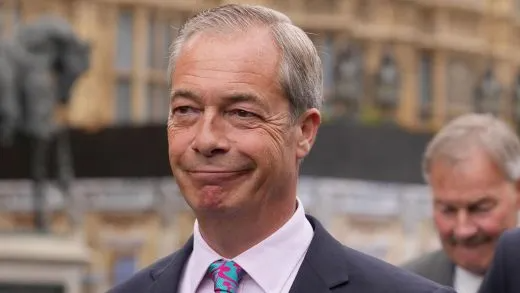
One of the main beneficiaries of this political reordering has been the populist party Reform UK, led by Nigel Farage. The formation has made significant progress in traditionally labor territories, capitalizing on social discontent and the perception of government wear and tear. Farage welcomed the results and said that Starmer could be forced to leave office before the middle of the year, thus intensifying political pressure on
Downing Street.
The rise of Reform UK has generated alarm within Labour, where some leaders warn of a flight of voters to conservative, green and liberal options. This phenomenon has contributed to the fragmentation of the British political system, weakening the traditional bi-partisanship
between Labour and Conservatives. The right-wing party, Reform UK, led by Nigel Farage, has achieved incredible results during the elections
In parallel, the Green Party also registered remarkable growth, with victories in cities such as Norwich and a historic triumph in Glasgow Southside, Nicola Sturgeon's former stronghold. This advance reinforces the trend towards a more fragmented political scenario, in which Labour no longer clearly dominates the
electoral landscape.
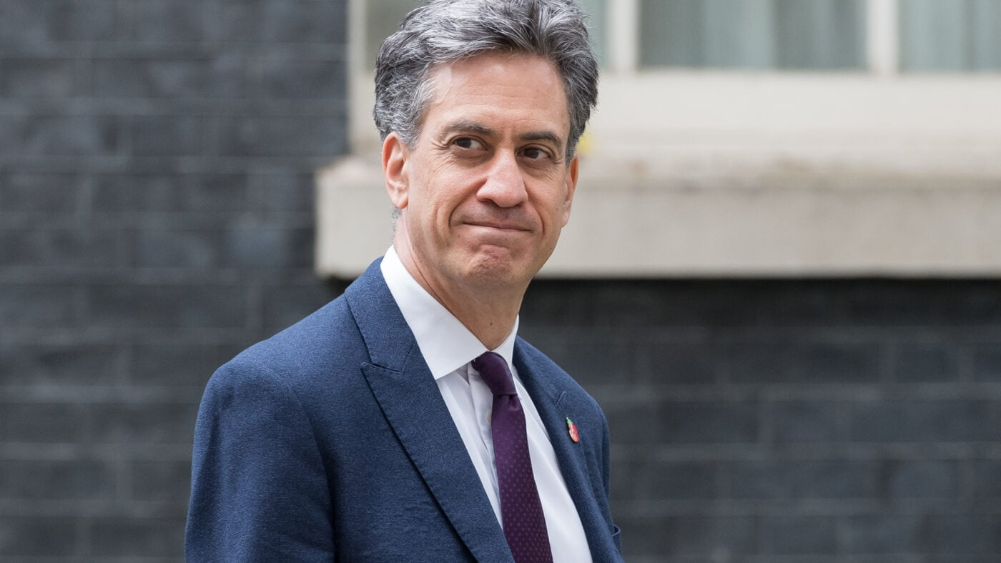
The party's internal crisis has deepened with the emergence of possible leadership alternatives. According to various political sources, Energy Minister Ed Miliband has privately suggested to Starmer the need to establish a timetable for his possible departure, in order to avoid an open internal war. While Miliband maintains his public support for the prime minister, he has expressed concern about the risk of a deep division within the party following the election results
.
Possible successors and Starmer's response
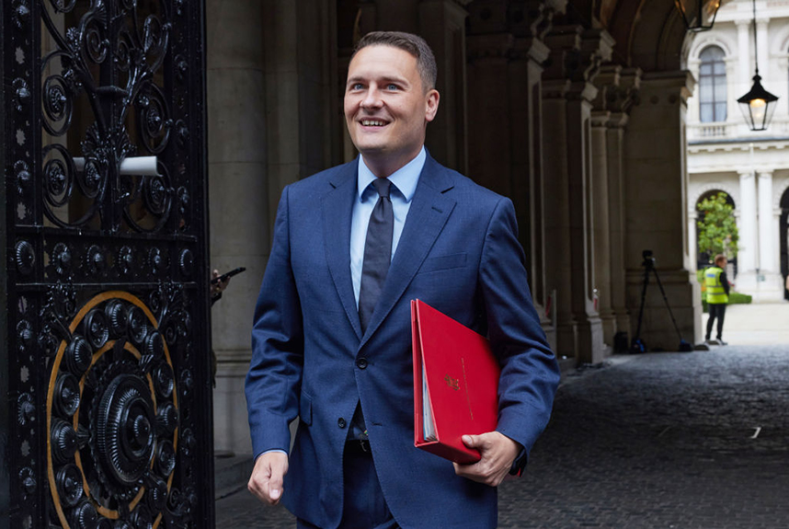
At the same time, potential candidates for possible replacement are beginning to emerge. Among them, former Deputy Prime Minister Angela Rayner and Health Minister Wes Streeting stand out, both with sufficient parliamentary support to force a possible internal contest. The mayor of Manchester, Andy Burnham, is also mentioned as a consensus figure within the moderate wing of the party, who could be seen as a stability option to avoid a fratricidal war
.
However, Starmer himself has categorically rejected any intention to resign or set a departure date. His refusal to open an orderly transition process has intensified tensions within the party and fueled speculation about a possible internal rebellion
.
Criticism of his leadership comes not only from the opposition, but also from influential sectors of Labour itself, who accuse him of having lost political control at a key moment. He is reproached for not being able to respond to the advance of populist forces such as Reform UK, nor for consolidating a political narrative capable of regaining the trust of the
traditional electorate. The UK Energy Minister has reportedly suggested that Keir Starmer submit his resignation as soon as possible
The electoral deterioration has also generated growing concern for the stability of the government. Some parliamentarians fear that the situation will lead to a protracted internal struggle that will further weaken the ruling party and open the door to a wider political reconfiguration
in the United Kingdom.
In this context, the future of Starmer is increasingly being questioned. Although he formally maintains the support of part of the cabinet, the increase in internal tensions and the pressure of the electoral results place him in a fragile position. The possibility of a leadership dispute is no longer seen as hypothetical, but as an increasingly likely scenario
.
The Labour Party is thus facing one of the most critical moments in its recent history, with leadership under scrutiny, growing internal divisions and a changing political system that threatens to redefine the British electoral map.
The current Minister of Health is seen as a possible candidate in the face of Starmer's possible reservation