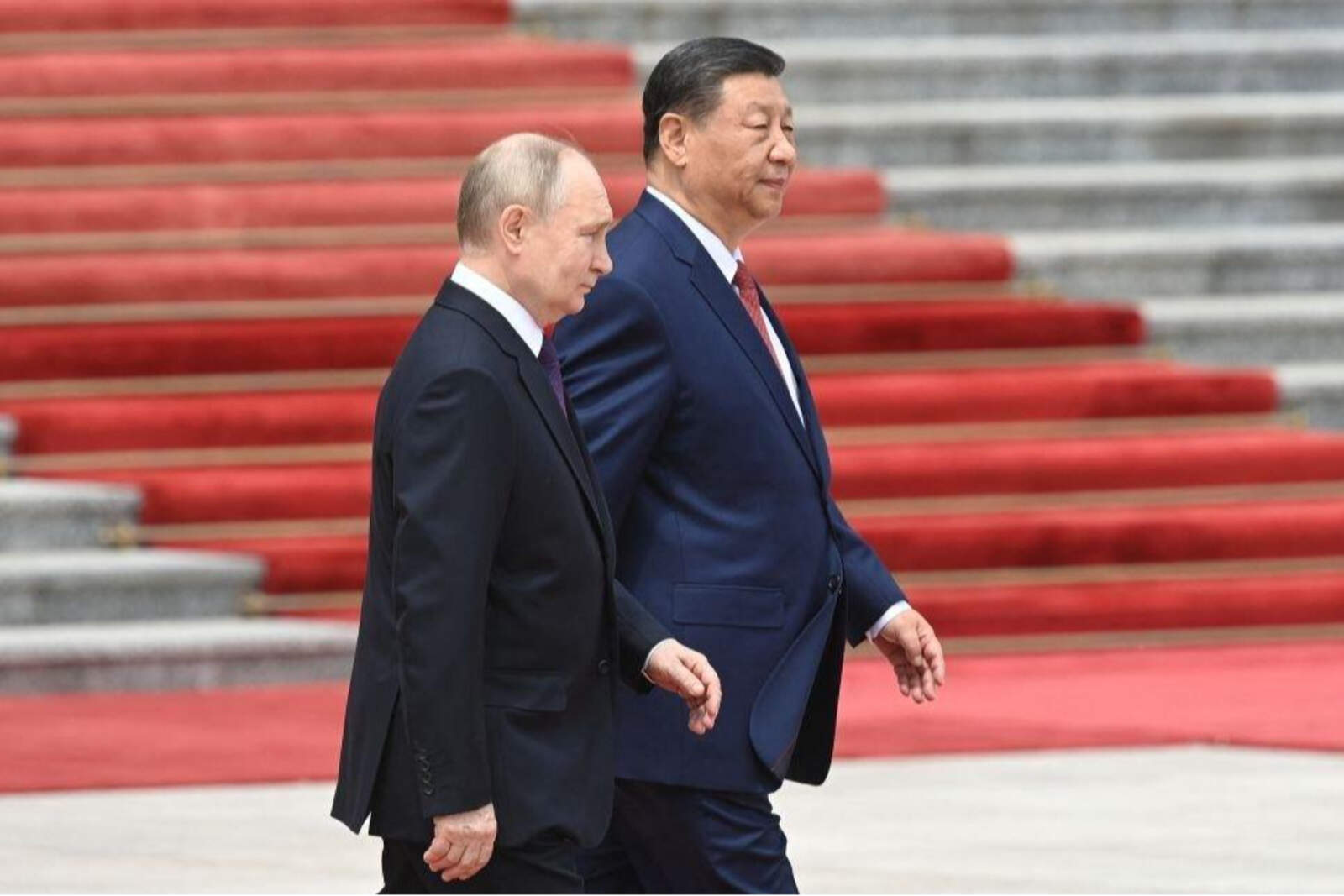

In a new challenge to the international system led by the West, China and Russia announced their intention to coordinate a joint response to the sanctions imposed by the United States and its allies, amid growing global tensions over the war in Ukraine and trade disputes between Washington and Beijing.
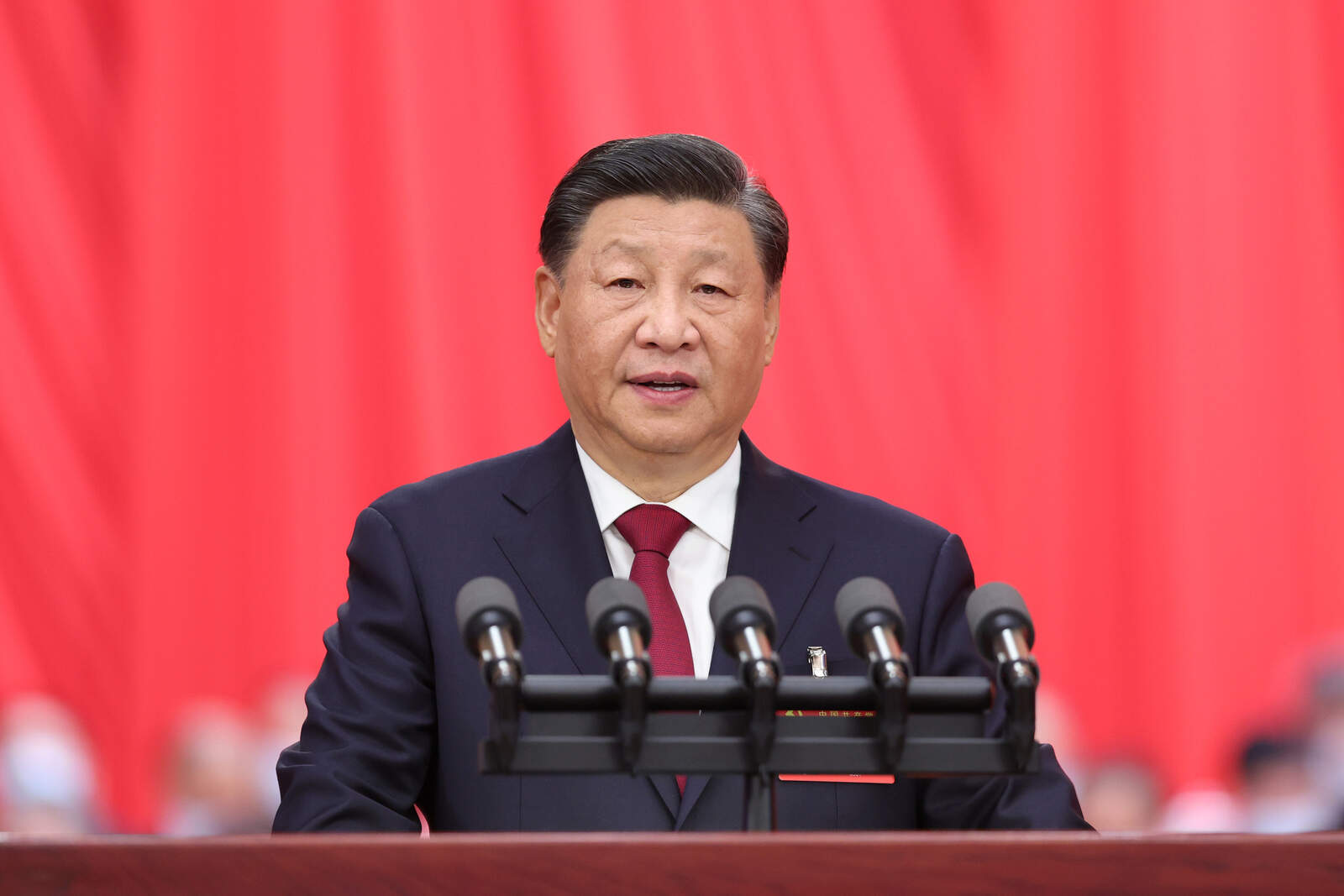
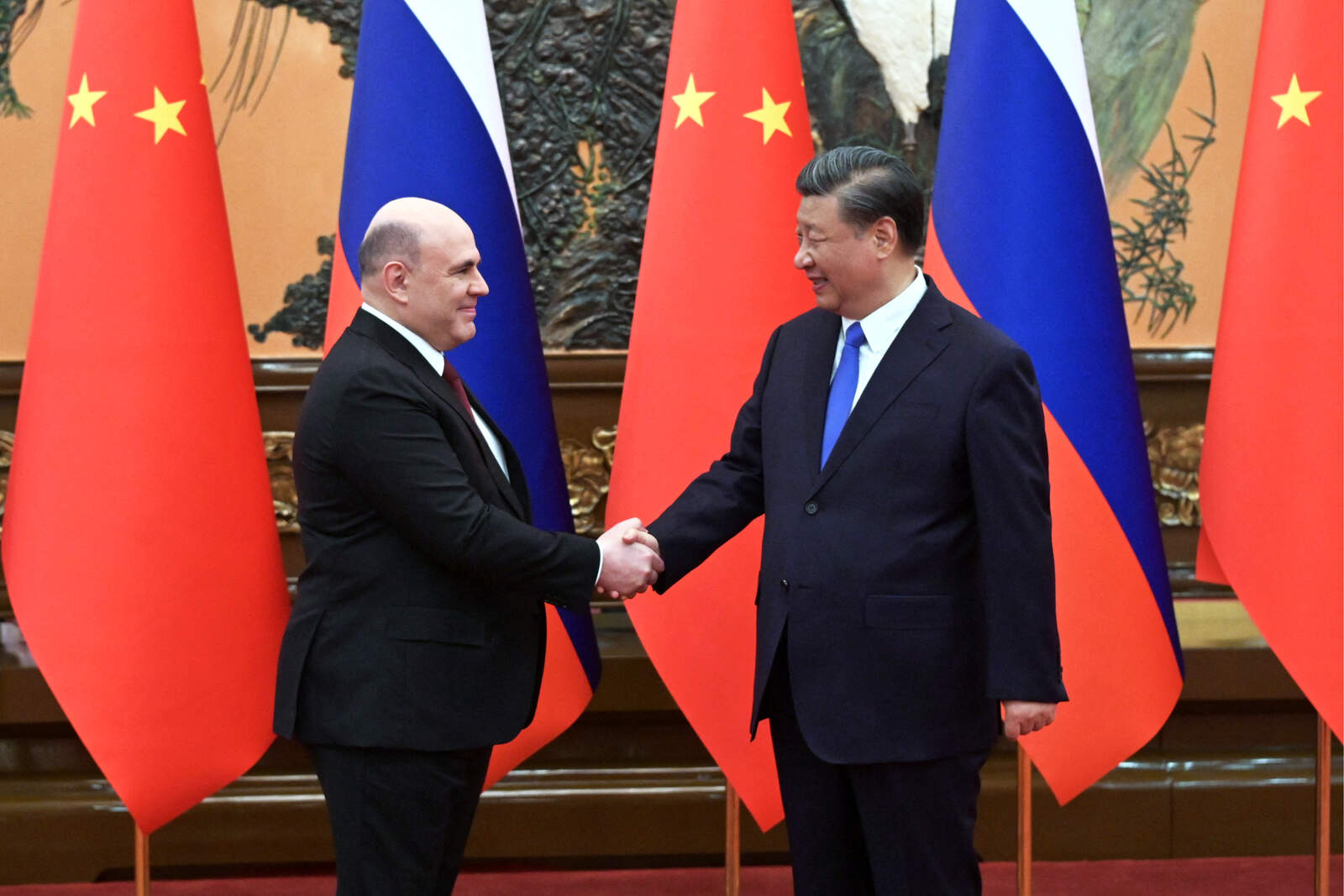
The announcement came during the visit to China by Russian Prime Minister Mikhail Mishustin, who met with President Xi Jinping and Prime Minister Li Qiang. In a joint statement published by the Chinese Ministry of Foreign Affairs, both governments committed to "actively oppose unilateral coercive measures," referring to the international sanctions imposed on Moscow for its invasion of Ukraine and on Chinese companies accused of collaborating with the Kremlin.
The statement accused certain countries, without directly mentioning the United States, of "abusing their dominant position in the global economy" and stated that any sanction not approved by the UN Security Council is "illegal."
The statement ignores, however, that both China and Russia are permanent members of that council with veto power, which in practice prevents the body from adopting binding sanctions against them.
The joint initiative has been interpreted as a political maneuver to protect Moscow from international isolation and to offer Beijing a tool of pressure against Washington. Nevertheless, the economic reality shows cracks: bilateral trade has fallen in recent months, and Chinese companies have begun to reduce their exposure to Russia for fear of secondary sanctions.
Mishustin's trip sought precisely to strengthen a relationship that has cooled after the peaks of energy cooperation reached in 2023 and 2024. According to some media outlets, several Chinese state oil companies suspended purchases of Russian crude oil transported by sea after the United States sanctioned Rosneft and Lukoil, the two main Russian producers. The measure reveals Beijing's dilemma: maintaining its strategic alliance with Russia without compromising its access to Western markets.