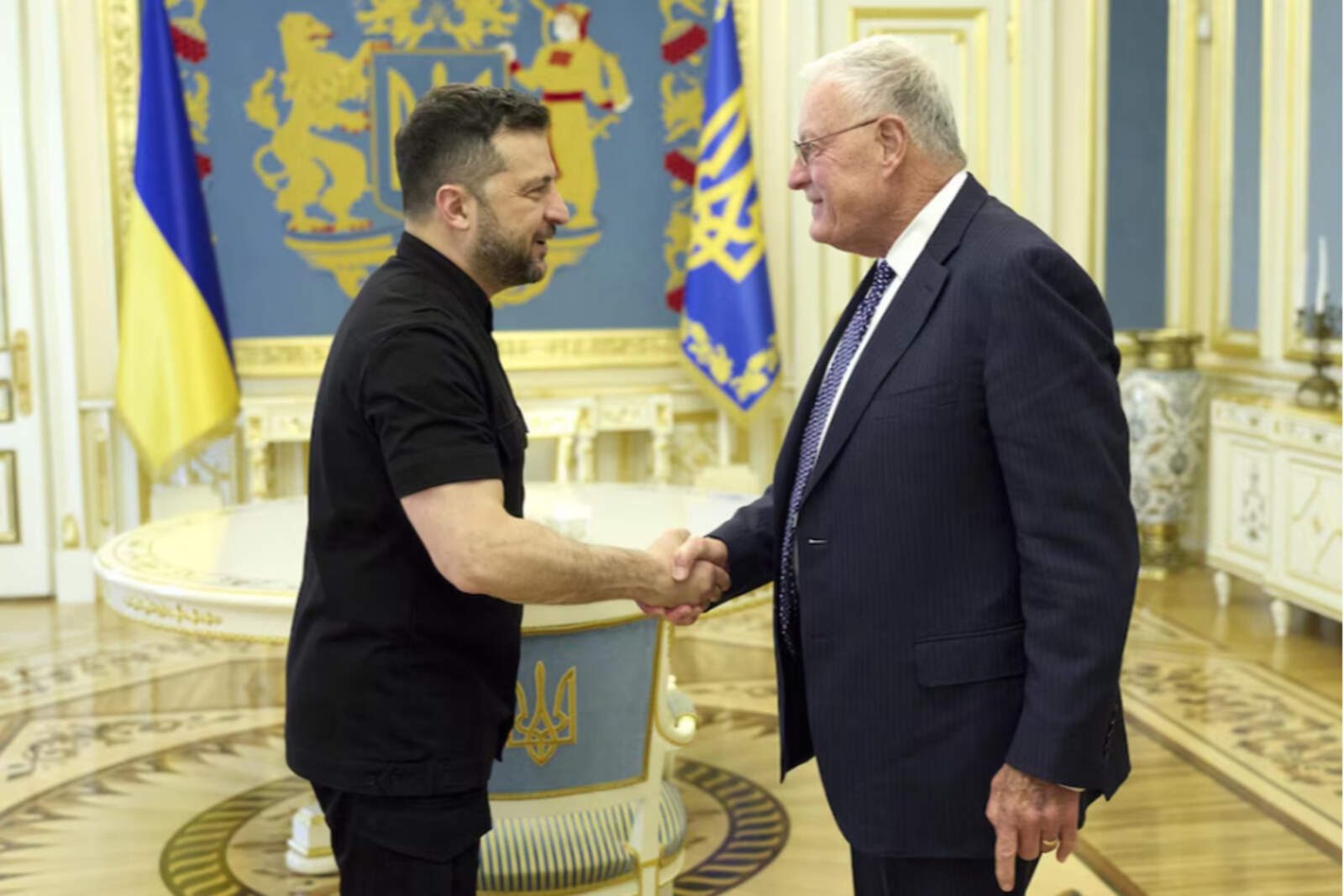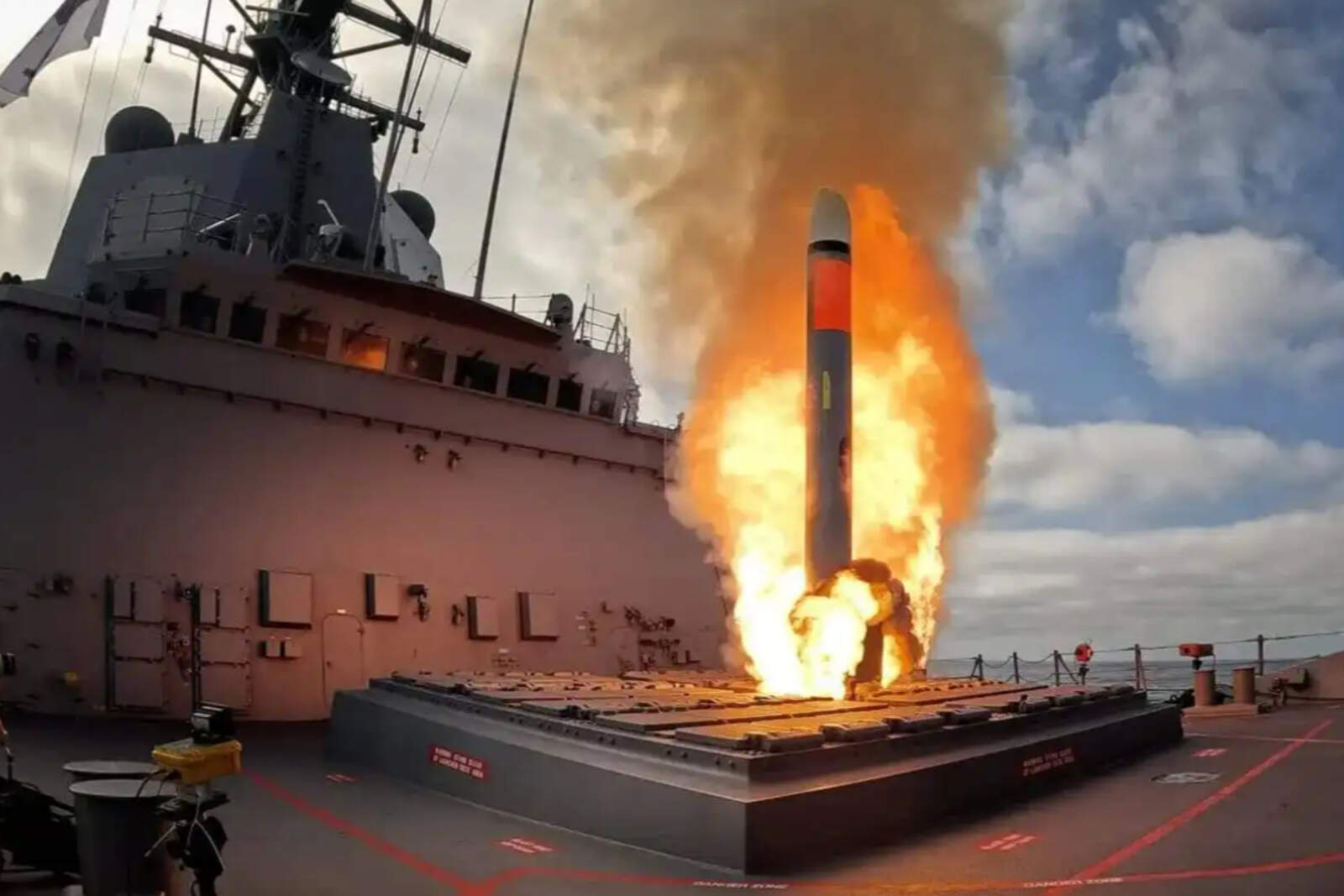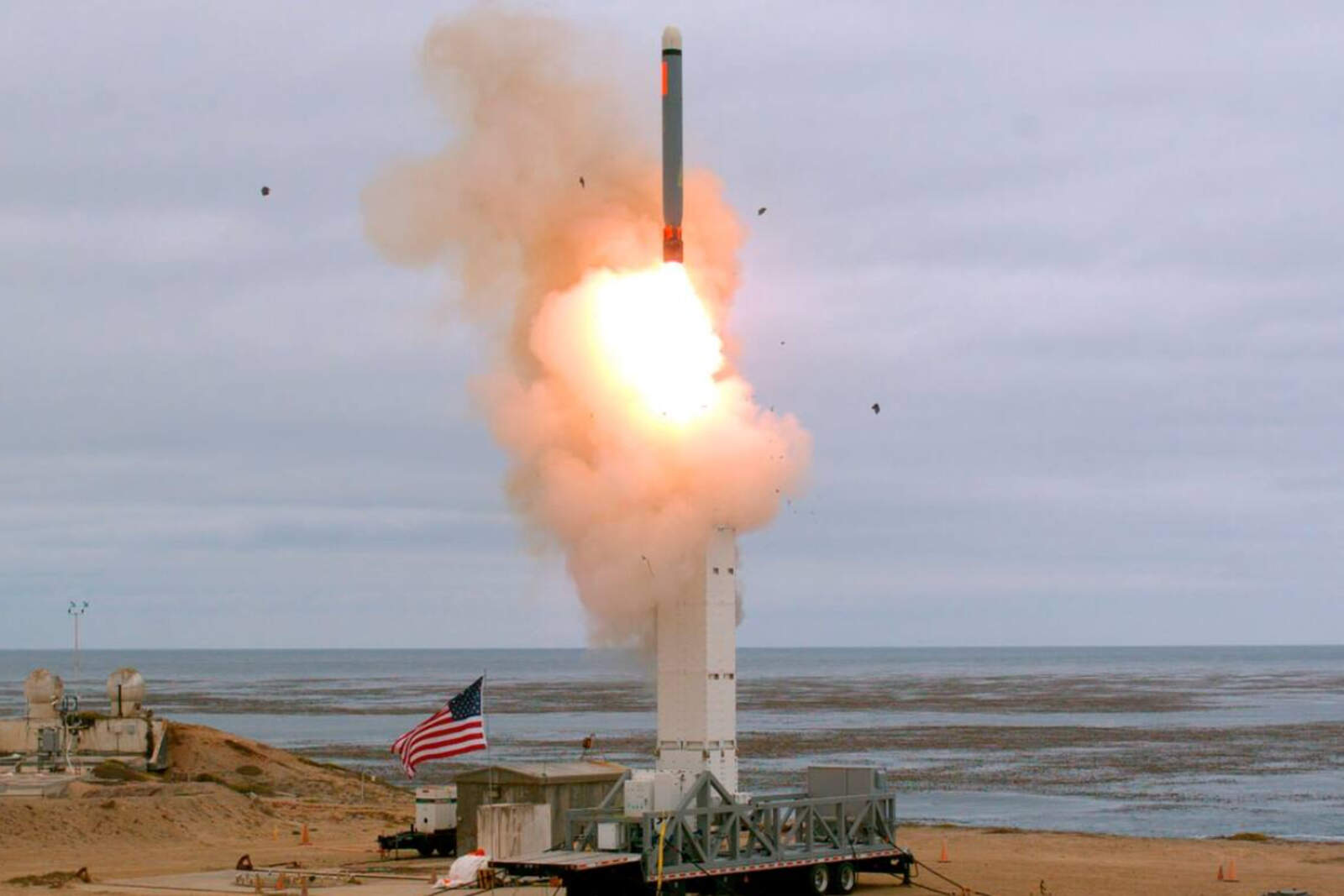

United States President Donald Trump authorized Ukraine to carry out long-range attacks on Russian territory using cruise missiles, under the strict supervision of the Pentagon. The measure was confirmed by the U.S. special envoy, Keith Kellogg, who emphasized that "the answer is yes, use the deep strike capability, there are no sanctuaries."
However, Kellogg clarified that the authorization is not automatic and that each operation will be evaluated on a case-by-case basis by the White House and the Department of Defense. The decision came after a meeting between Trump and Ukrainian President Volodymyr Zelensky during the UN General Assembly, in which Kyiv formally requested the delivery of Tomahawk missiles.
The Kremlin's reaction
From Moscow, presidential spokesman Dmitry Peskov tried to downplay Washington's decision. In his regular press conference, he stated that "there is no panacea that can change the situation on the front for the Kyiv regime. There is no magic weapon, neither Tomahawks nor missiles that can alter the dynamics of the war."
The official also raised doubts about the operability of these systems: "Who can launch these missiles? Even if they are in Kyiv's hands, are they operated by Ukrainians or U.S. personnel? Who defines the targets, Washington or Ukraine?" With these questions, the Kremlin sought to sow uncertainty about the true scope of Trump's decision.