Russiaexpelled a German diplomat this Thursday in response to Berlin's decision to expel a Russian official last month over alleged espionage activities, accusations that Moscow considers unfounded.
The episode represents a new escalation in the already deteriorated relations between the two countries and is part of a broader context of growing tensions between Russia and several European states since the Russian invasion of Ukraine.
The Russian Foreign Ministry reported that it summoned a representative of the German embassy in Moscow to express a formal protest and to notify him that a member of the German diplomatic staff had been declared persona non grata.
According to the official statement, the measure constitutes a "symmetrical response" to the expulsion of a Russian diplomat from Berlin in January, a decision that Russia categorically rejects.
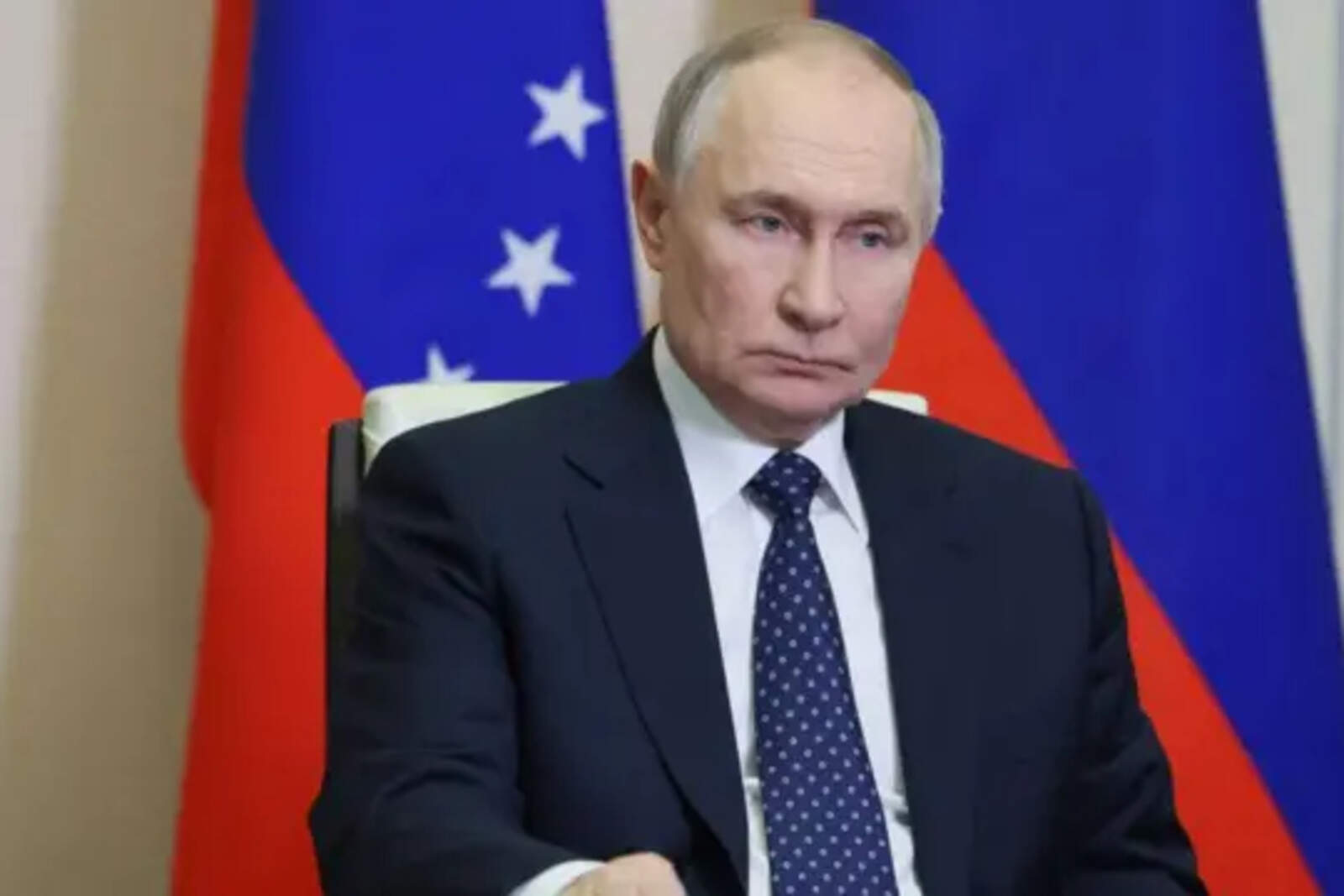
El gobierno de Putin afirmó que se trata de una ''medida simétrica'' a la expulsión de un diplomático ruso de Berlín
Moscow stated that the espionage accusations made by the German authorities against the Russian diplomat were false and fabricated, and it accused the German government of promoting an "espionage mania."
The ministry described the case as a "low-level provocation" and maintained that Berlin is fully responsible for the new deterioration of bilateral relations.
From Germany, the Foreign Minister, Johann Wadephul, condemned the Russian decision and described it as "completely unfounded and totally unacceptable." In statements made during an official trip to Brunei, Wadephul accused Moscow of resorting to unjustified reprisals instead of seeking diplomatic solutions. He added that the German government reserves the right to adopt new measures in response to the expulsion.
Wadephul specified that the affected German diplomat was part of the staff of the military attaché's office at the embassy in Moscow. This information matches data published by a German news agency, which cited sources according to which the Russian diplomat expelled from Berlin on January 22 was the deputy military attaché.
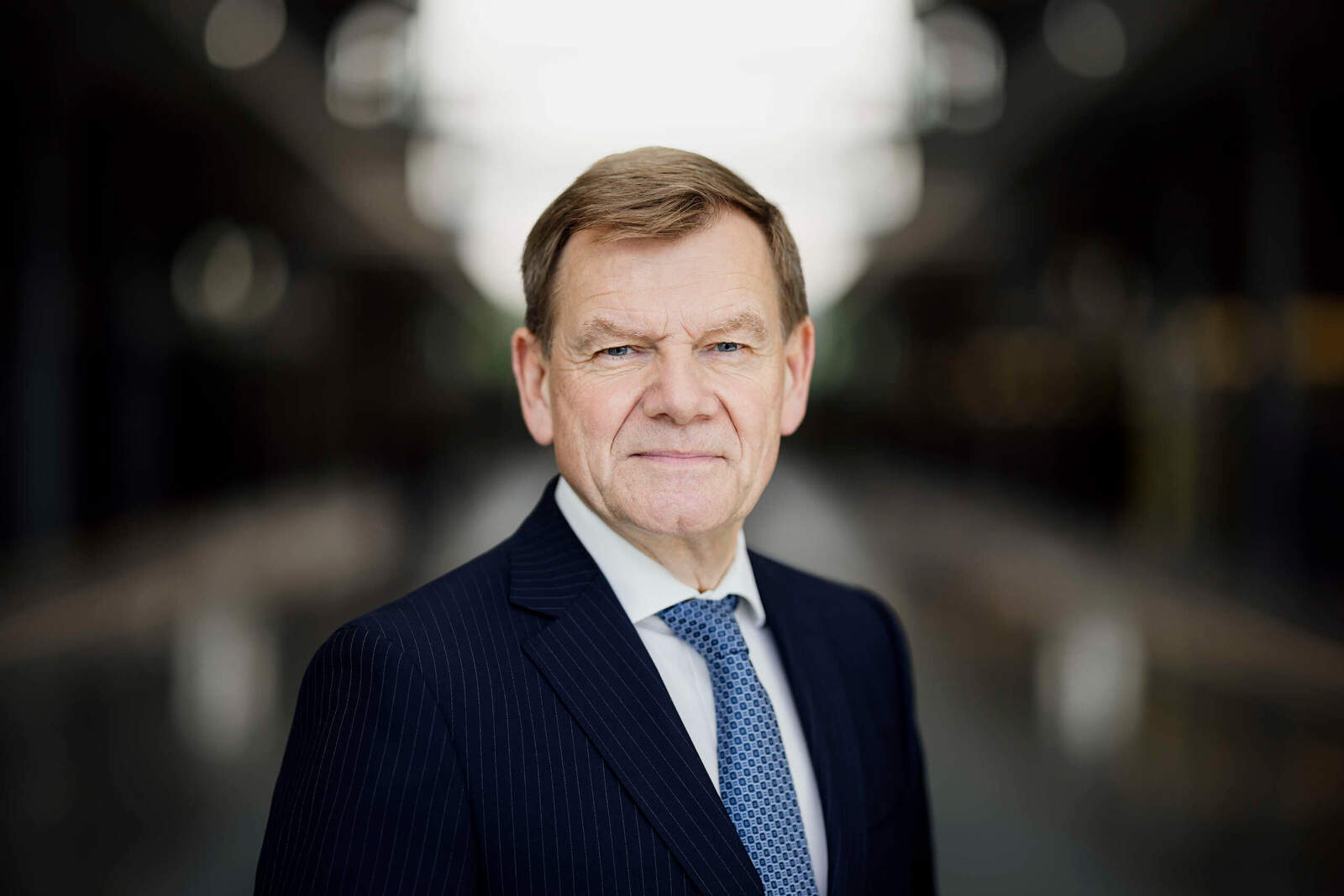
El ministro de Asuntos Exteriores alemán lanzó fuertes críticas a Rusia por la expulsión del diplomático
That case was linked to the arrest in Germany of a Ukrainian citizen accused of collecting sensitive information and transmitting it to Russia, which reinforced suspicions of Russian espionage on German territory.
The German minister assured that, while his country's diplomats act in accordance with the law, Russia "resorts to escalation and espionage under the cover of diplomatic activity." He also emphasized that Berlin will continue to respond firmly to what it considers hostile activities by Moscow.
This new diplomatic clash is taking place in a context of growing concern among European security services about the increase in Russian intelligence activities since the beginning of the full-scale invasion of Ukraine. Various Western agencies have warned of an intensification of Moscow's efforts to undermine Europe's military and political support for Kyiv.
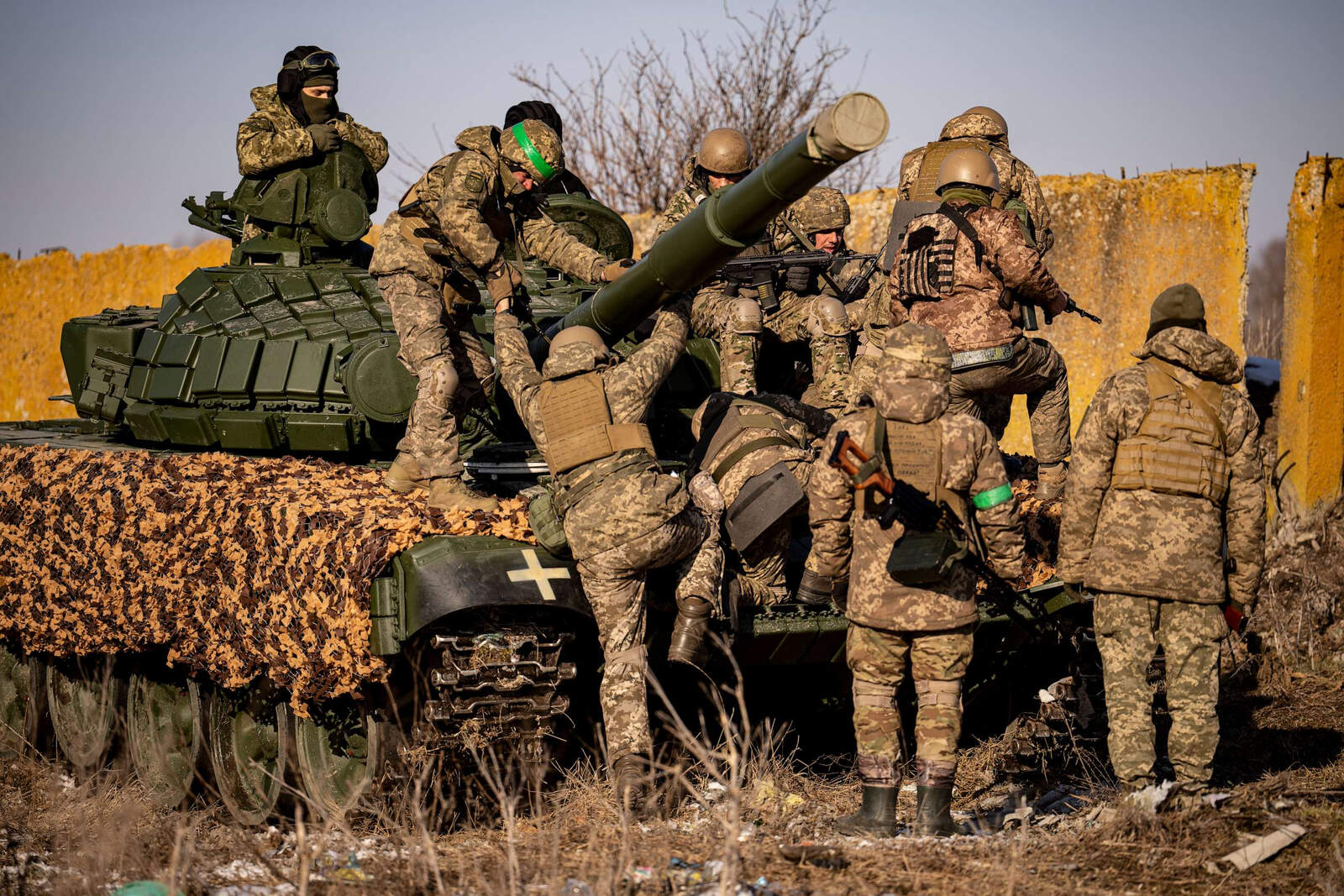
Rusia y las naciones europeas han lanzado acusaciones recíprocas de aumento de espionaje desde la intensificación de la guerra en Ucrania
The situation is not limited to Germany. At the beginning of this week, it also expelled a Russian diplomat in what it described as a reciprocal measure, after Moscow expelled a British diplomat the previous month who was accused of being an undeclared spy.
Russia has repeatedly denied these accusations and rejects being behind what Western intelligence officials describe as a campaign of sabotage and espionage in several European countries.
In recent years, especially since the intensification of the conflict in Ukraine, reciprocal diplomatic expulsions have multiplied between Russia and NATO member countries.
These episodes reflect the deep deterioration of mutual trust and the persistence of a diplomatic confrontation that, for now, shows no signs of de-escalation.
Reino Unido también ha expulsado a diplomáticos rusos