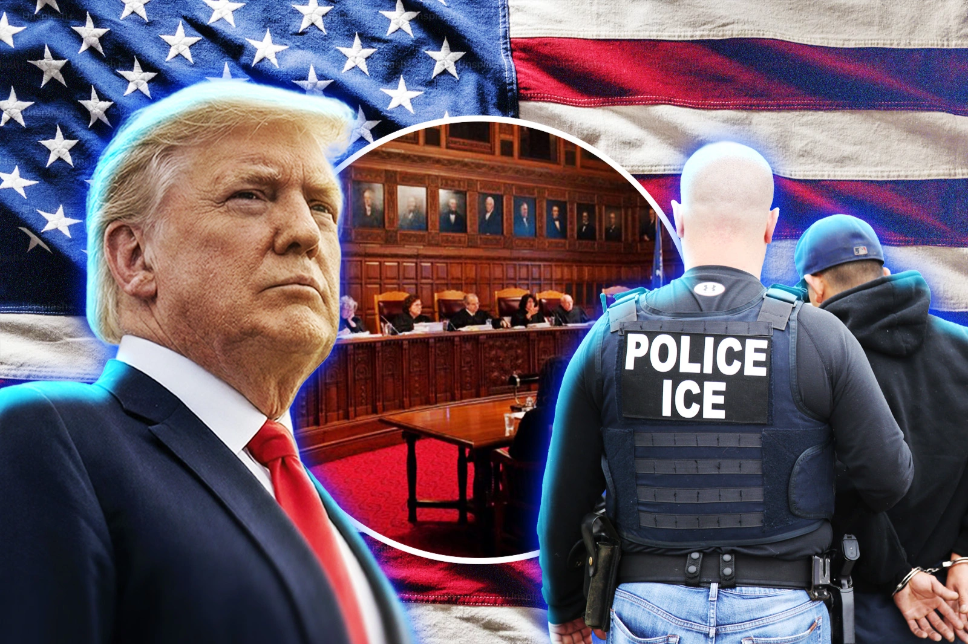

The Supreme Court of the United States was inclined to support the immigration policy promoted by President Donald Trump to end temporary protections against deportation, in a key case that could redefine the reach of the executive branch and the role of federal courts in immigration matters.
During oral arguments made on Wednesday, the court's conservative majority suggested that courts may not have the authority to review decisions related to Temporary Protected Status (TPS), a program that currently allows more than one million immigrants to live and work legally in the United States. The discussion revolved around a provision included by Congress that states that the Executive's “determinations” on the TPS are not subject
to judicial review.The president of the court, John Roberts, and Judge Samuel Alito expressed doubts about the viability of the arguments presented by the plaintiffs, who seek to curb the Trump administration's decision to eliminate TPS for certain countries, including Haiti and Syria. Both magistrates highlighted precedents that reinforce the idea that Congress explicitly limited judicial intervention in
such decisions.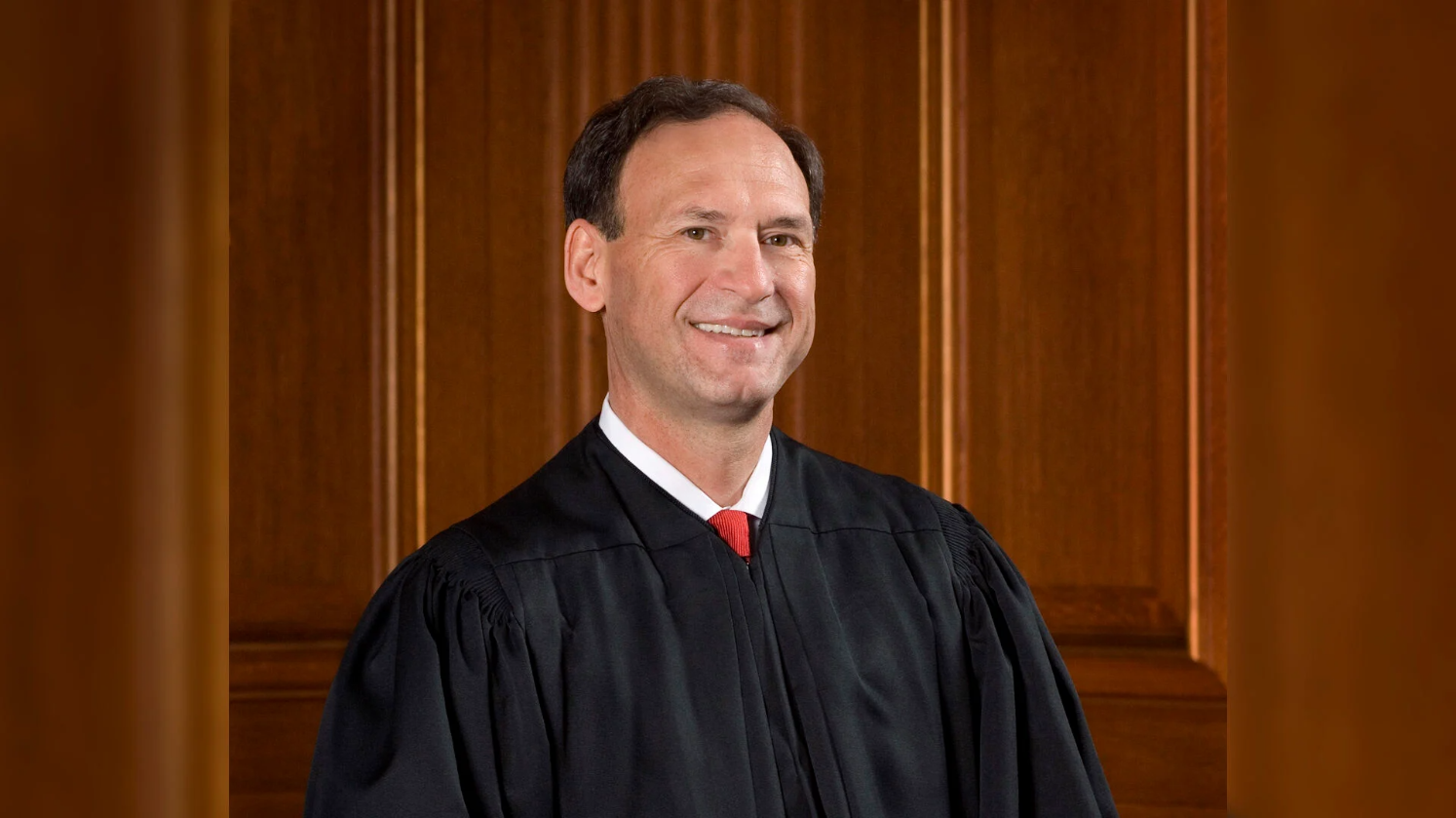
The Trump administration's position is based on the premise that migration policy is a core competence of the executive branch, which must be able to adapt to changes in the international context without constant interference from the courts. In this regard, its defenders argue that allowing comprehensive judicial reviews weakens the government's ability to act quickly in the face of geopolitical or humanitarian transformations
.The TPS program was significantly expanded during the administration of former Democratic President Joe Biden, who extended or granted protections to citizens of 17 countries. Critics of this policy argue that the program lost its temporary nature and became a mechanism for prolonged stay without strict reviews of conditions in the countries of origin
.In contrast, the Trump administration has promoted a stricter review of these designations. A key point in the debate was the situation in Syria, where the fall of the Bashar al-Assad regime in 2024 was cited as evidence of a significant change in conditions in the country. Judge Brett Kavanaugh highlighted this fact during the hearing, suggesting that current circumstances may not justify continuing TPS for Syrian