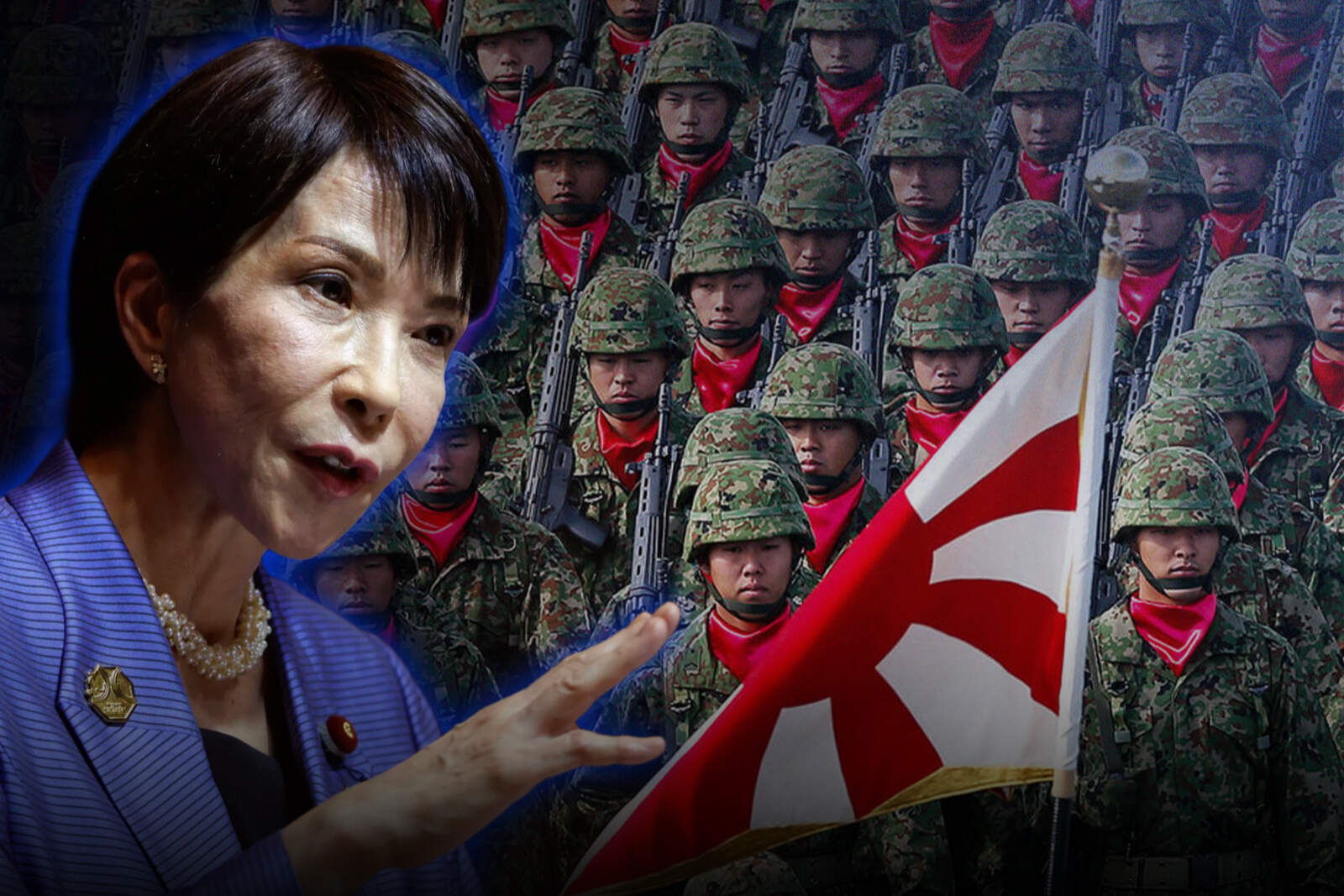
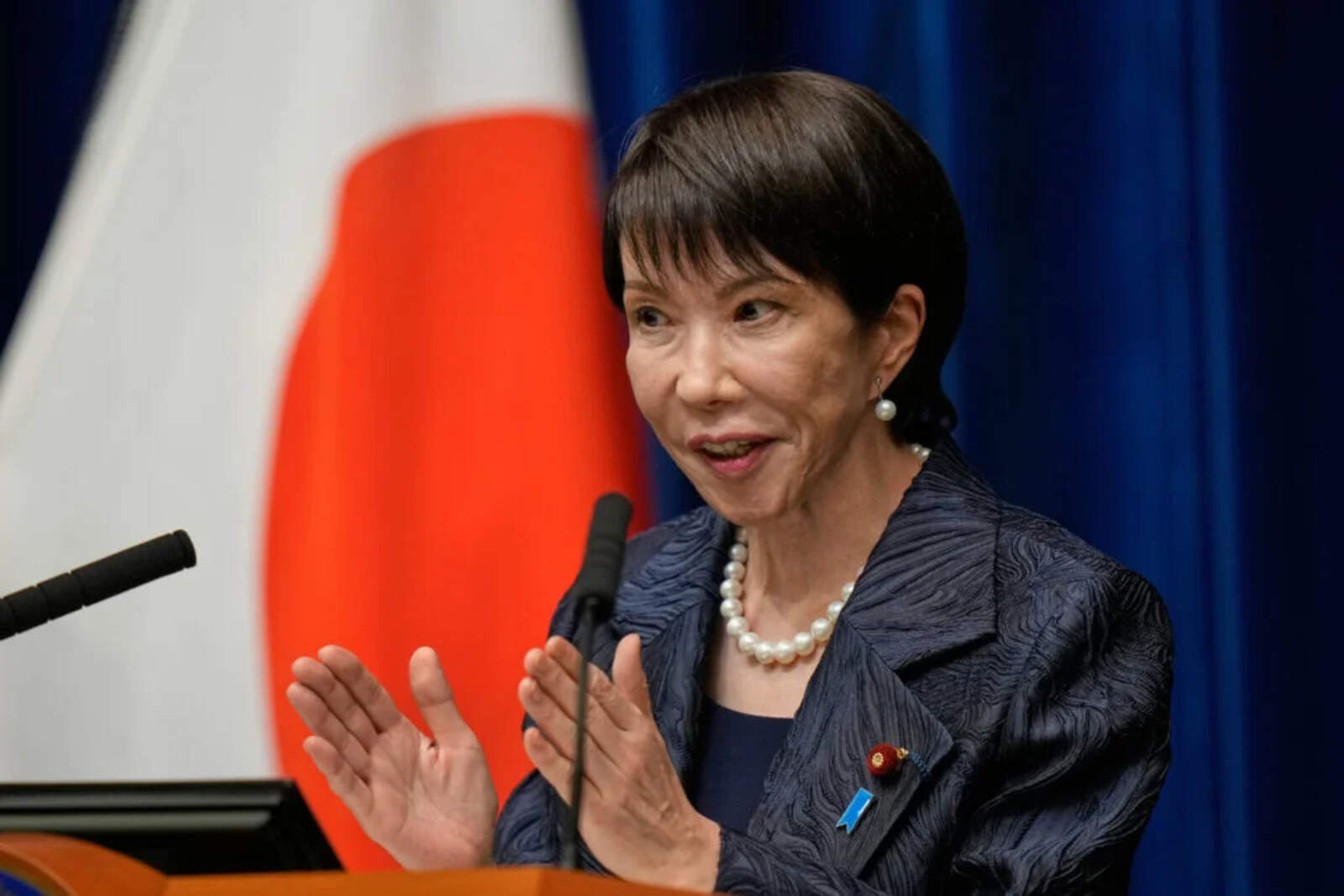
The prime minister of Japan plans to promote a constitutional reform that will allow the country to abandon its pacifist character and rebuild its military forces
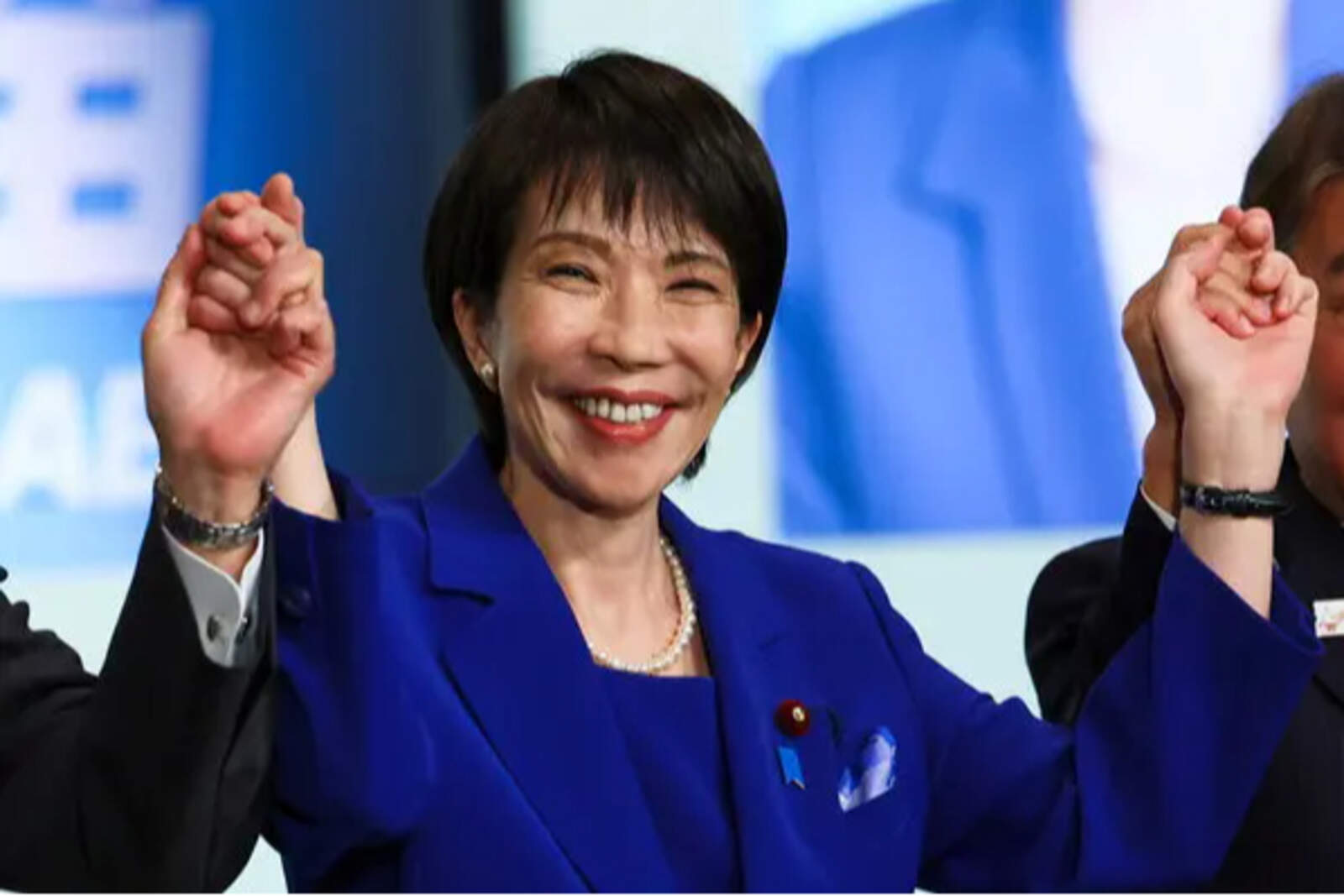
The Japanese prime minister, Sanae Takaichi, has taken a decisive step to redefine Japan's political and strategic course after securing a historic victory in the snap elections held barely four months after she took office in October 2025.
The conservative leader dissolved the Lower House in a move considered risky by the opposition, but the result consolidated her position. The ruling Liberal Democratic Party (LDP) obtained 316 of the 465 seats in the House of Representatives, the highest number achieved by a political force in the postwar era. Its coalition partner, the Japan Innovation Party (JIP), added another 36 seats, reinforcing the parliamentary majority.
With this backing, Takaichi has announced that she will promote "as soon as possible" a national referendum to reform the Constitution, particularly the controversial Article 9, which since 1947 has enshrined the pacifist character of the country.
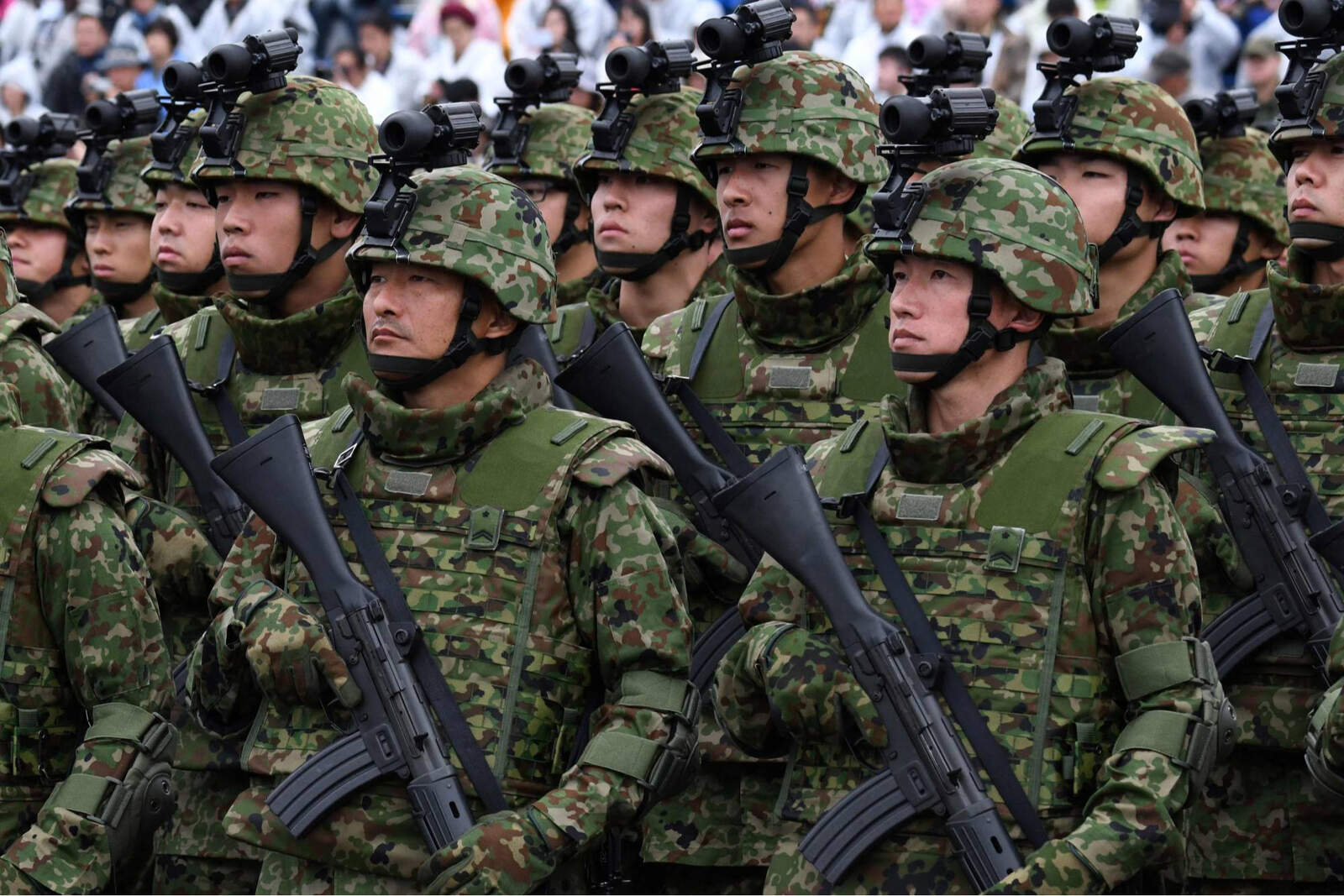
This article establishes that Japanrenounces war as a sovereign right and prohibits the maintenance of armed forces with war potential. However, for decades the country has maintained the Self-Defense Forces (SDF), considered among the most modern in the world, although they are formally limited to defensive functions.
Takaichi consiguió una victoria magistral en las elecciones anticipadas
The LDP has defended for years the need to revise this article in order to explicitly recognize the SDF within the constitutional text and allow the full exercise of collective self-defense.
According to the government, the current interpretation creates legal ambiguities and limits Japan's ability to act alongside its allies in scenarios where there is no direct attack on its territory.
"Regional security has changed drastically", Takaichi stated in a recent speech before Parliament, where she linked constitutional reform to a broader strategy of national strengthening.
El artículo 9 de la Constitución japonesa prohíbe a las fuerzas armadas, pero se buscará incluir a las SDF en el texto
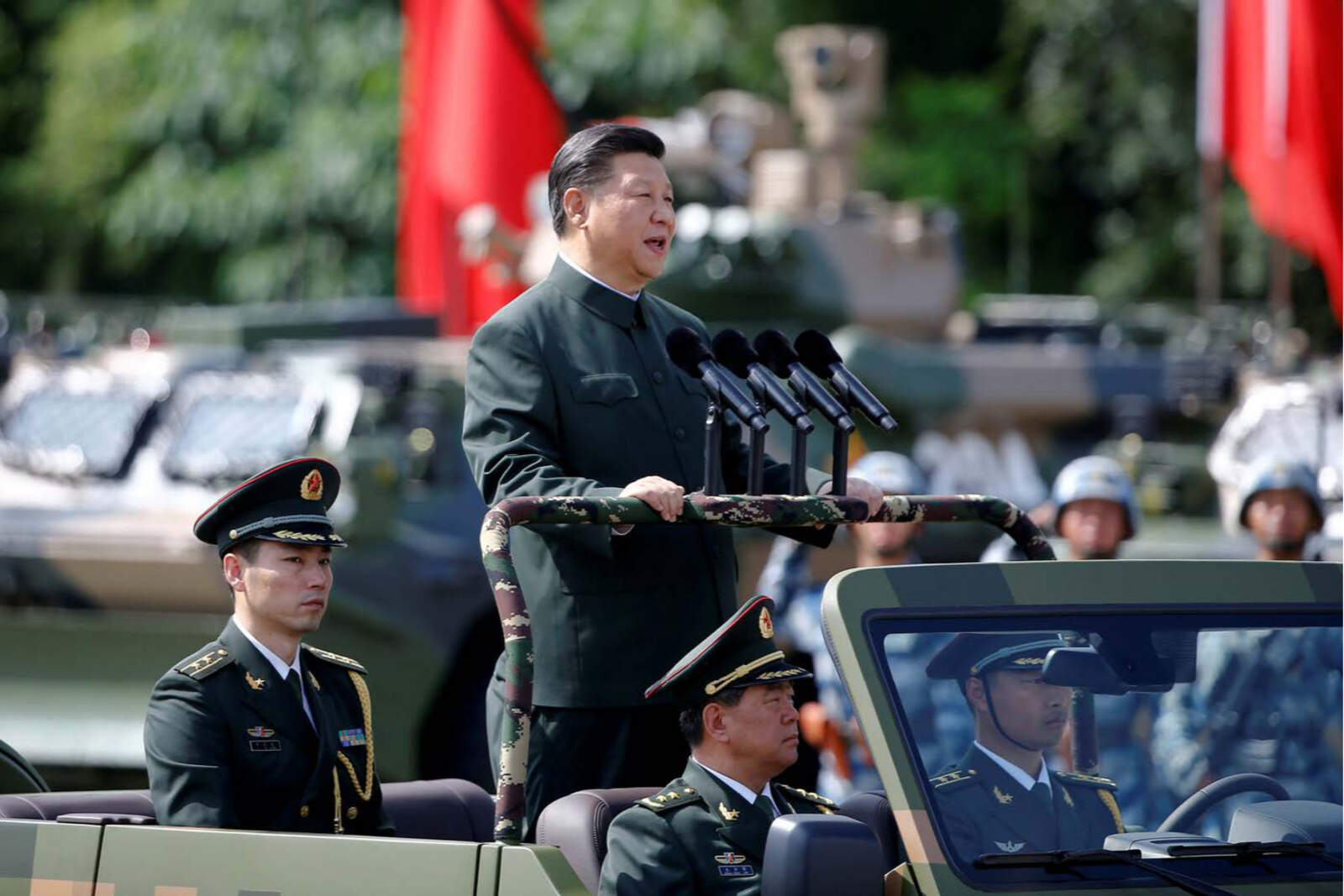
In her address, she identified China as the main source of instability in the East and South China Seas, and she also mentioned North Korea and Russia as strategic challenges.
The Executive keeps that revising Article 9 doesn't mean abandoning the commitment to peace, but rather adapting the legal framework to current geopolitical realities. Government officials argue that Japan would remain committed to international law and to the United Nations Charter, which recognizes the right to individual and collective self-defense.
In addition to constitutional reform, Takaichi's cabinet plans to revise the three main strategic defense documents to prepare for "new forms of warfare", including protracted conflicts, cyberattacks, and threats in space.
The government also plans to relax restrictions on arms exports, with the aim of strengthening the national defense industry and expanding technological cooperation with allies.
Japón identificó al régimen de Xi Jinping como la principal amenaza en la región
The prime minister has linked this security agenda to economic growth, arguing that the expansion of the defense sector can drive innovation and generate highly skilled employment. "Security and prosperity are two sides of the same coin", she noted.
Nevertheless, the path toward reform is not guaranteed. Any constitutional amendment requires the support of two-thirds in both chambers of the Diet and approval in a national referendum.
Although the coalition governs with a solid majority in the Lower House, it still needs to broaden its support in the Upper House or wait for the next elections to secure the required threshold.
La mandataria japonesa afirmó que la expansión en Defensa podría impulsar la innovación en el sector
In the international arena, the initiative has caused mixed reactions. The expectation is that the United States will receive positively a more active Japan in regional security, especially ahead of the upcoming meeting between Takaichi and the U.S. president. In contrast, China and North Korea have expressed concern over what they consider a militaristic shift.
For the government, however, the reform represents the culmination of a "normalization" process long debated in Japanese politics. If it is carried out, it would mark a turning point in the national identity of the country and would redefine its role as a strategic actor in the Asia-Pacific.