Researchers developed a material that combines biotechnology and smart architecture
Nuevo
Agregar La Derecha Diario en
Compartir:
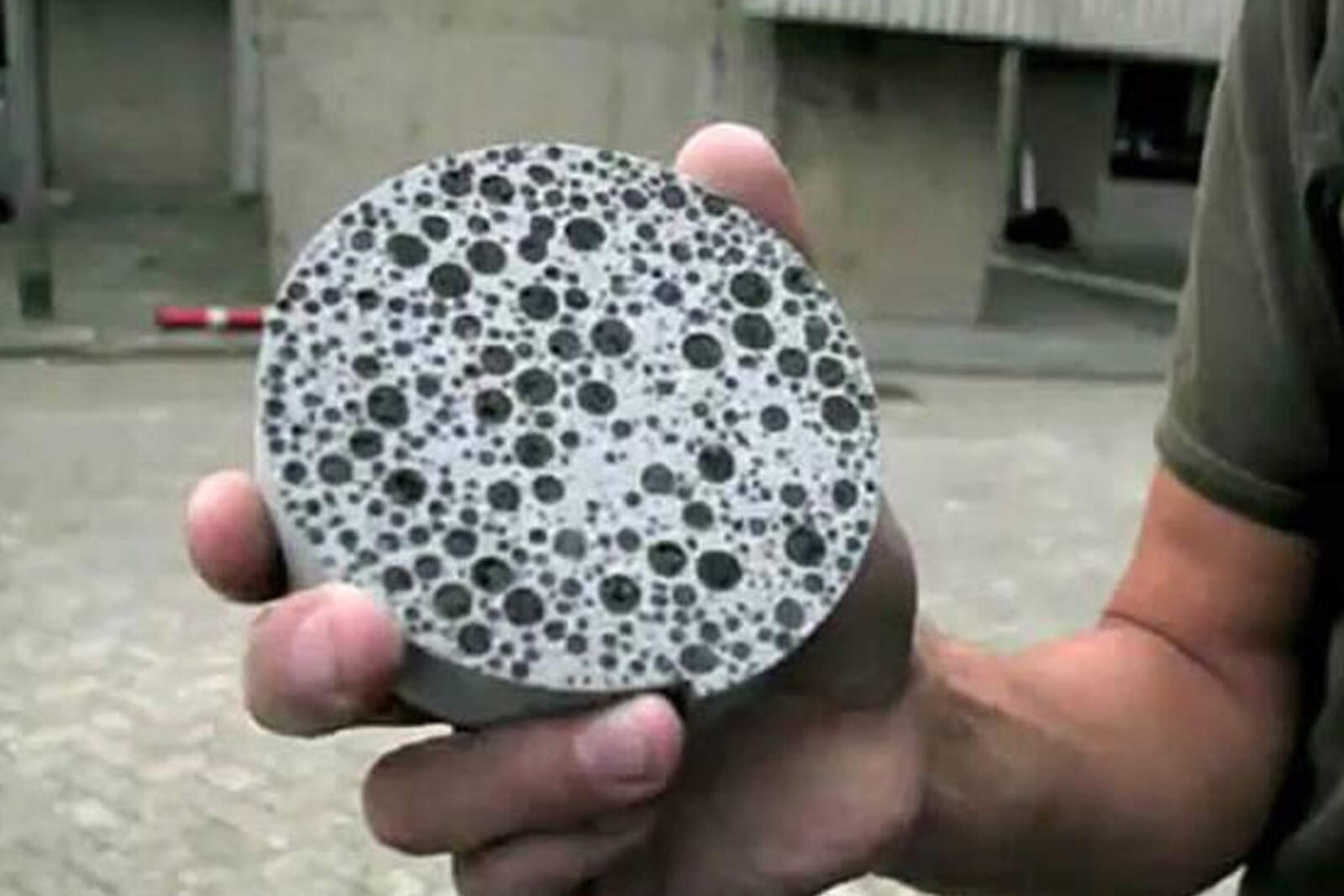
A team of Danish scientists has developed a living cement capable of producing electricity, an advance that could change architecture as we know it. The material combines biotechnology and construction to create blocks that generate energy without the need for external batteries.
With this innovative bacterial concrete, the researchers are opening the door to smart buildings and self-sustaining structures, with potential applications in walls, foundations, and bridges.
Un equipo de científicos daneses desarrolló un cemento vivo capaz de producir electricidad
How living cement works
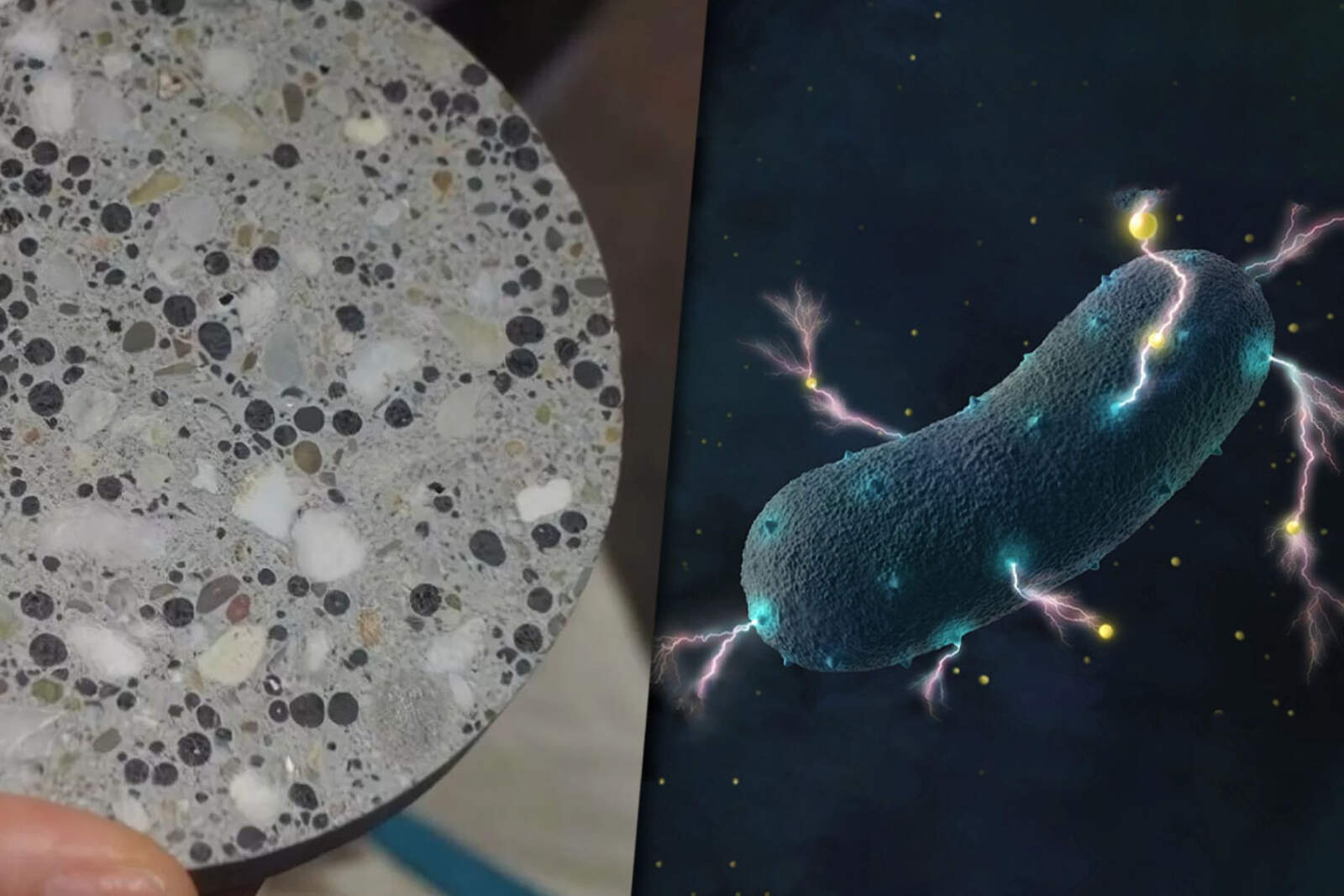
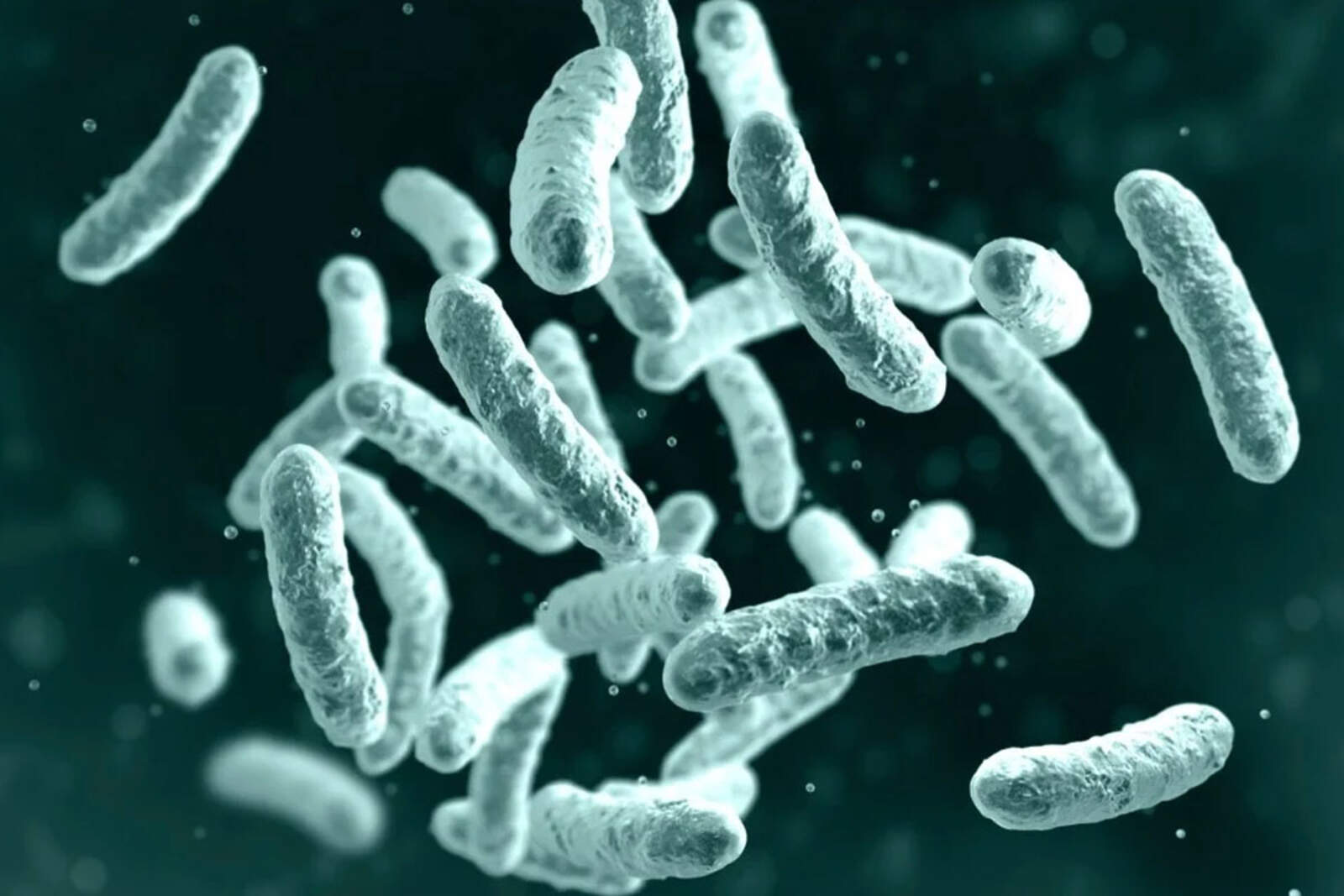
The team at Aarhus University incorporated the bacterium Shewanella oneidensis, which is capable of extracting electrons from its own cells. This allows the blocks to generate and store electricity.
The bacteria survive with or without oxygen, which ensures the material's durability even in extreme conditions. To keep them active, a microfluidic system was designed to supply essential nutrients and allow "reviving" dead bacteria, recovering up to 80% of the energy capacity.
Initial experiments and results
To test the effectiveness of the cement, the scientists built six connected blocks that managed to light up an LED lamp. According to Qi Luo, lead researcher, this demonstrates that this is not an isolated experiment: the material has real potential for future construction.
El equipo de la Universidad de Aarhus incorporó la bacteria Shewanella oneidensis
Potential applications
Smart buildings: structures that autonomously generate electricity.
Urban infrastructure: walls, bridges, and foundations capable of being self-sustaining.
Sustainability: integration of biology and engineering to reduce dependence on external energy.
A paradigm shift in construction
What were once inert blocks could be transformed into functional and energy-generating materials. This development opens new possibilities for architecture.