Scientists deciphered the genome of the Greenland shark, which is key to understanding extreme longevity
Compartir:
Science took a key step forward in the study of extreme longevity. Researchers managed to decipher the genome of the Greenland shark with an unprecedented level of detail, a species capable of living close to 400 years.
The finding opens a new door to understanding how some animals manage to age in an exceptional way and without known evidence of cancer. It also brings the focus back to the urgent need to protect this predator and its ecosystem.
Estos hallazgos buscan mejorar calidad de vida para un envejecimiento saludable
The shark that seems immune to the passage of time
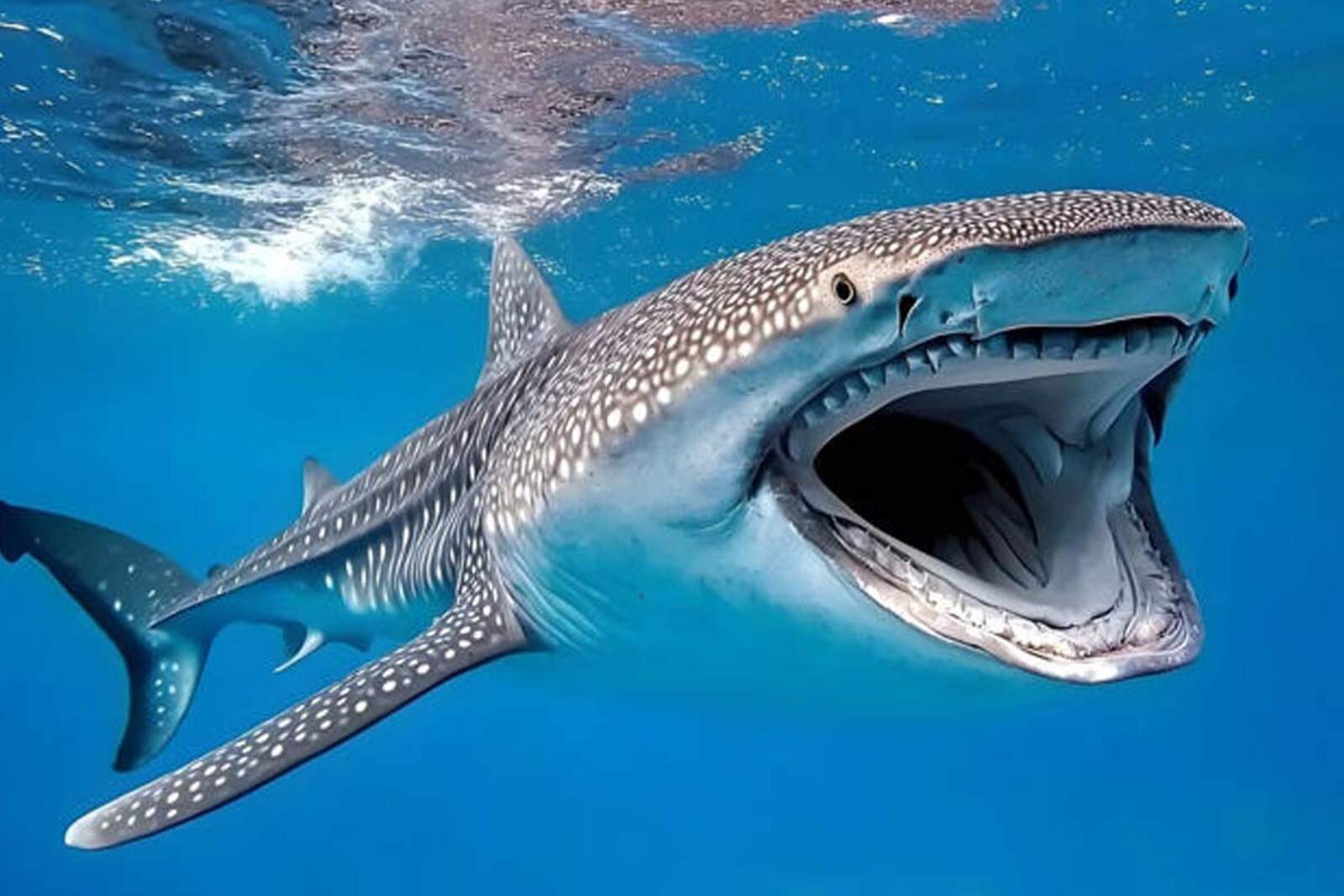
In the cold waters of the Arctic and the North Atlantic lives the Greenland shark, one of the longest-lived vertebrates on the planet. Its fame was consolidated when scientific studies estimated that some specimens are around 400 years old.
The age was calculated using an unusual method:radiocarbon analysis of the eye lens nucleus. That tissue preserves chemical signals from the earliest stages of life.
Although the margins of error remain wide, the results sparked fascination and debate in the scientific community.
El tiburón que parece inmune al paso del tiempo
A genetic map that changes the focus
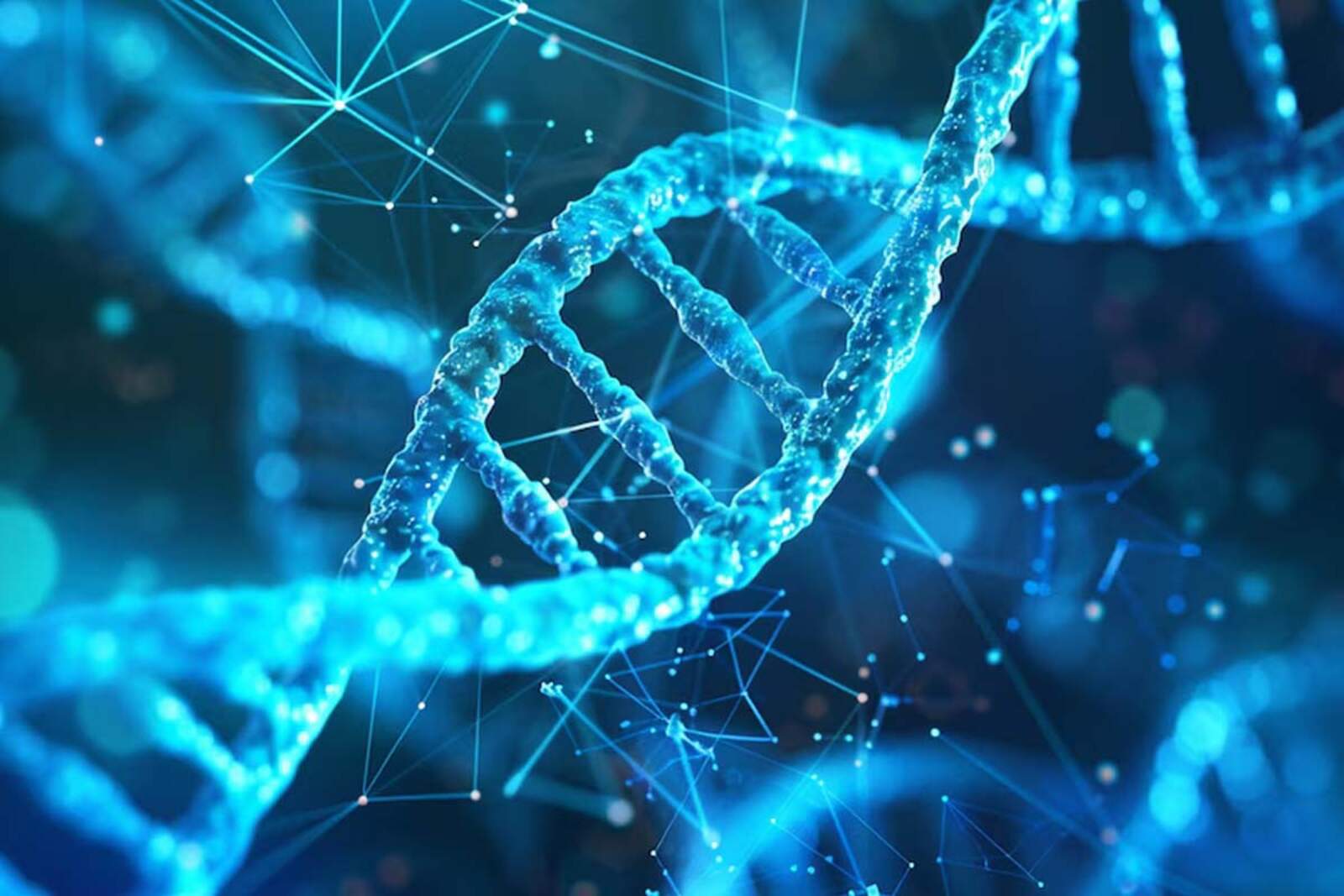
The major breakthrough is the achievement of a complete genome at chromosomal scale, something that did not exist for this species until now. The material was made available in a public browser for analysis.
The researchers described an enormous genome of about 6.45 gigabases. Much of its size is explained by the expansion of repetitive elements that are capable of copying themselves within DNA.
El modelo permite detectar el efecto de una mutación sobre varios procesos biológicos
Far from being a technical detail, these sequences could have influenced the evolution of mechanisms of cellular stability.
The keys to living for centuries without cancer
One of the most striking findings is the presence of gene duplications associated with DNA repair. In particular, researchers detected changes in pathways that correct double-strand breaks.
Researchers also observed a unique modification in a key region of the TP53 tumor suppressor gene. This gene plays a central role in the cellular response to genetic damage.
Las claves para vivir siglos sin cáncer
Although this doesn't prove that the shark doesn't suffer from cancer, it reinforces a strong hypothesis. Large and long-lived species develop extra defenses against molecular wear and tear.
Extreme longevity and genetic control
Researchers have already detected similar patterns in other long-lived animals, such as elephants and whales. In all cases, nature seems to reinforce DNA control systems. The message is clear:there is no single "trick" to living longer, but multiple layers of biological protection.