By José Salas, attorney and researcher at the Federalism and Liberty Foundation.
The International Civil Aviation Organization (ICAO), headquartered in Montreal, is a specialized United Nations agency created in 1944 after the signing of the Chicago Convention. Its main task is to establish common standards that allow international civil aviation to be safe, efficient, and orderly. Every three years, its 193 member states meet in Assembly to discuss new rules, coordinate strategies, and reaffirm cooperation commitments. This year, the 42nd Assembly is taking place from September 23 to October 3 in Canada, under the theme "Safe Skies, Sustainable Future."
In this global forum, however, a significant absence is once again repeated: Taiwan is not invited to the table. Although the island manages one of the busiest international air traffic zones, it is not a member of ICAO because the organization, as a UN agency, adheres to the "One China" doctrine, recognized by the General Assembly since 1971. By virtue of this policy, the seat corresponding to the Chinese state in the United Nations and all its specialized agencies is occupied by the People's Republic, which leaves Taiwan without formal representation.
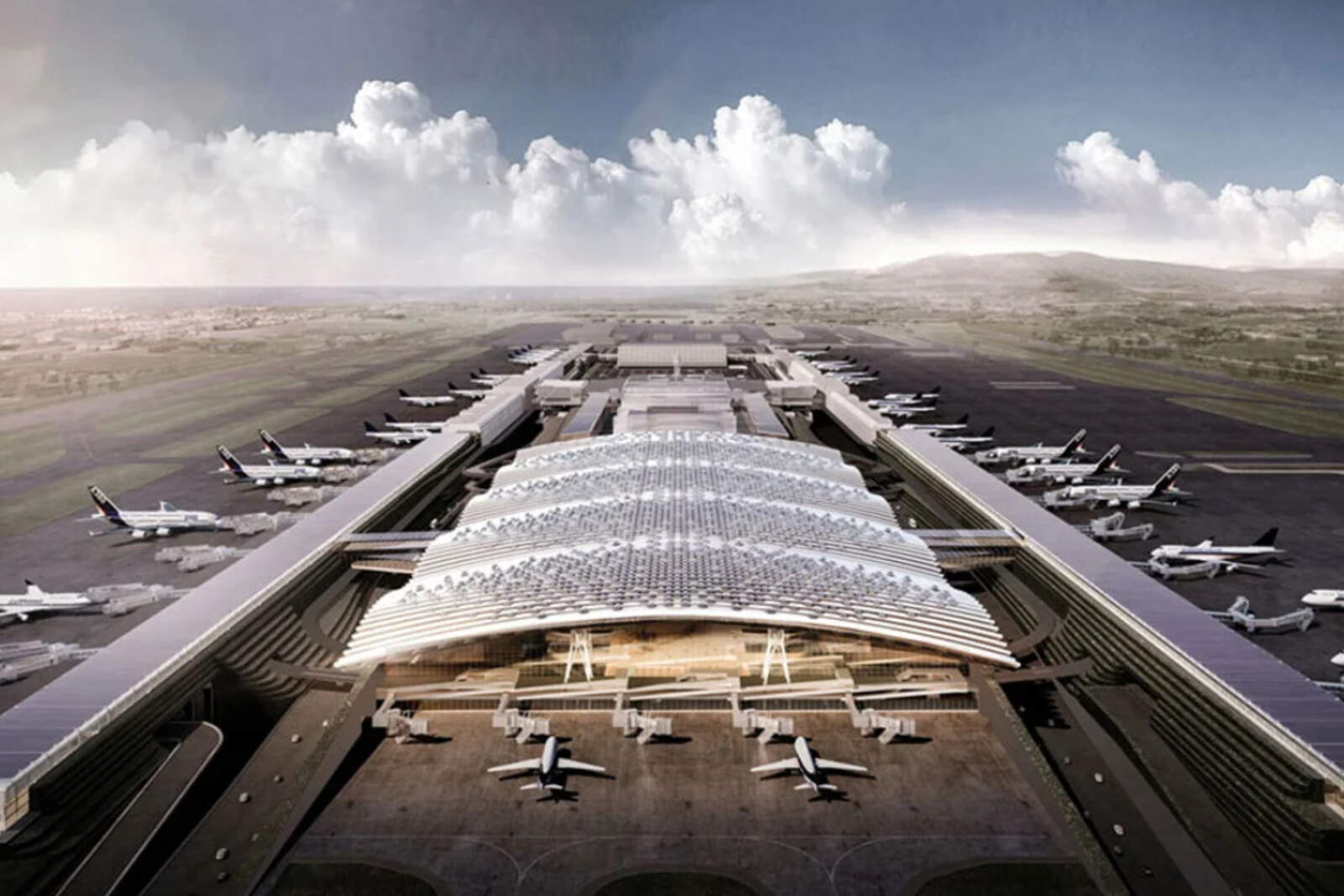
The case of Taiwan is unique. The Taipei Flight Information Region (Taipei FIR) is part of the global network of more than 300 FIRs under ICAO coordination. These regions are airspaces that require constant supervision to guide commercial flights and ensure the safety of passengers and crews. In Taiwan's case, that responsibility falls to the Civil Aeronautics Administration (CAA), which coordinates the transit of thousands of international flights every day that connect Asia with America, Europe, and Oceania.
In technical terms, the CAA complies with the international standards set by ICAO. It has implemented operational safety programs such as the State Safety Program (SSP) and has adopted the Standards and Recommended Practices (SARPs) used by member countries. Between 2020 and 2024, the commercial aircraft accident rate in Taiwan was zero, a performance that few countries can match. Airlines such as EVA Air have been recognized among the safest in the world. In addition, Taiwan has made advanced environmental commitments: it incorporated the carbon offsetting scheme for international aviation (CORSIA) into its national legislation and launched pilot programs for sustainable fuels in 2025.
Paradoxically, although Taiwan applies ICAO standards, it can't participate on equal terms in its technical discussions. The problem goes beyond the symbolic. In recent years, the People's Republic has carried out military maneuvers within the Taipei FIR (Flight Information Region) without giving the required advance notice in the corresponding advisories, which has created concrete risks for regional air navigation. Taiwan's absence from coordination channels prevents its aeronautical authority from sharing real-time information with other agencies, increasing vulnerability in one of the busiest airspaces on the planet.
If ICAO upholds the principle that "no country is left behind," keeping Taiwan outside its structure is a clear contradiction. Air safety should not depend on political disputes, but on technical criteria. Allowing Taiwan to participate as an observer and share real-time information would not only strengthen route management in the Asia-Pacific corridor, but would also provide a direct benefit to global aviation safety.