The Japanese company confirmed that it will use artificial intelligence for specific tasks to reduce costs and improve efficiency, amid strong criticism from artists
Nuevo
Agregar La Derecha Diario en
Compartir:
Sega was at the center of attention after announcing that it will begin integrating generative artificial intelligence into specific areas of video game development. The decision came after the presentation of its second fiscal quarter results and responds to two specific challenges: the sustained increase in production costs and market pressure, which demands increasingly ambitious projects in scale and budget.
The company clarified that AI will not replace human creativity and that it will be applied only in processes where it is technically and economically convenient. However, even with that clarification, the announcement fueled the global debate about the role of artificial intelligence in creative industries, especially in a sector where players, illustrators, and developers are pushing to preserve artistic authenticity.
Rising costs and the role of AI in efficiency
During the Q&A session following the financial results, Sega executives acknowledged that the traditional development cost—becoming increasingly demanding in graphics, narrative, and design— has become a critical issue even for major publishers.
In this scenario, Sega explained that generative AI will be an additional tool to optimize processes, along with other internal efficiency methods.
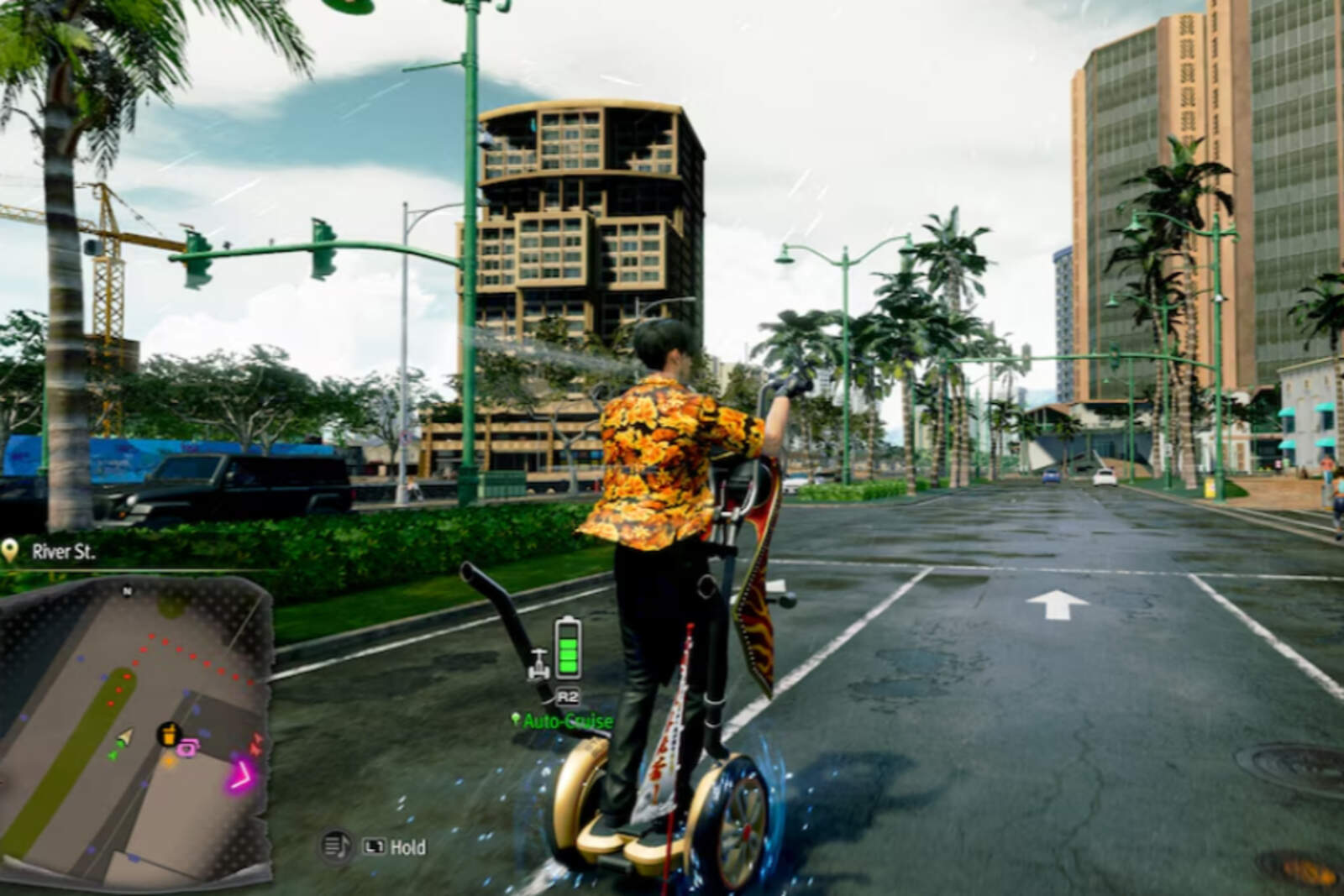
Sega desata debate global al incorporar IA generativa en el desarrollo de videojuegos
The strategy includes limiting the incorporation of AI to non-artistic tasks: repetitive processes, technical analysis, internal testing, or automations that consume time and resources.
For now, the company is distancing itself from the "blockbuster" model with gigantic budgets and is opting for a selective integration that allows it to maintain quality without exponentially increasing expenses or displacing creative teams.
Preserving human creativity: the explicit limit
To address the concerns of artists and developers, Sega emphasized that creativity will remain an exclusively human component in sensitive areas such as illustration, character design, concept art, and narrative.
The company acknowledged the internal and external resistance caused by AI in these fields, especially after some creative industries faced criticism for visual errors or inconsistencies produced by automated tools. For this reason, Sega will implement case-by-case evaluations before enabling the use of AI in specific teams.
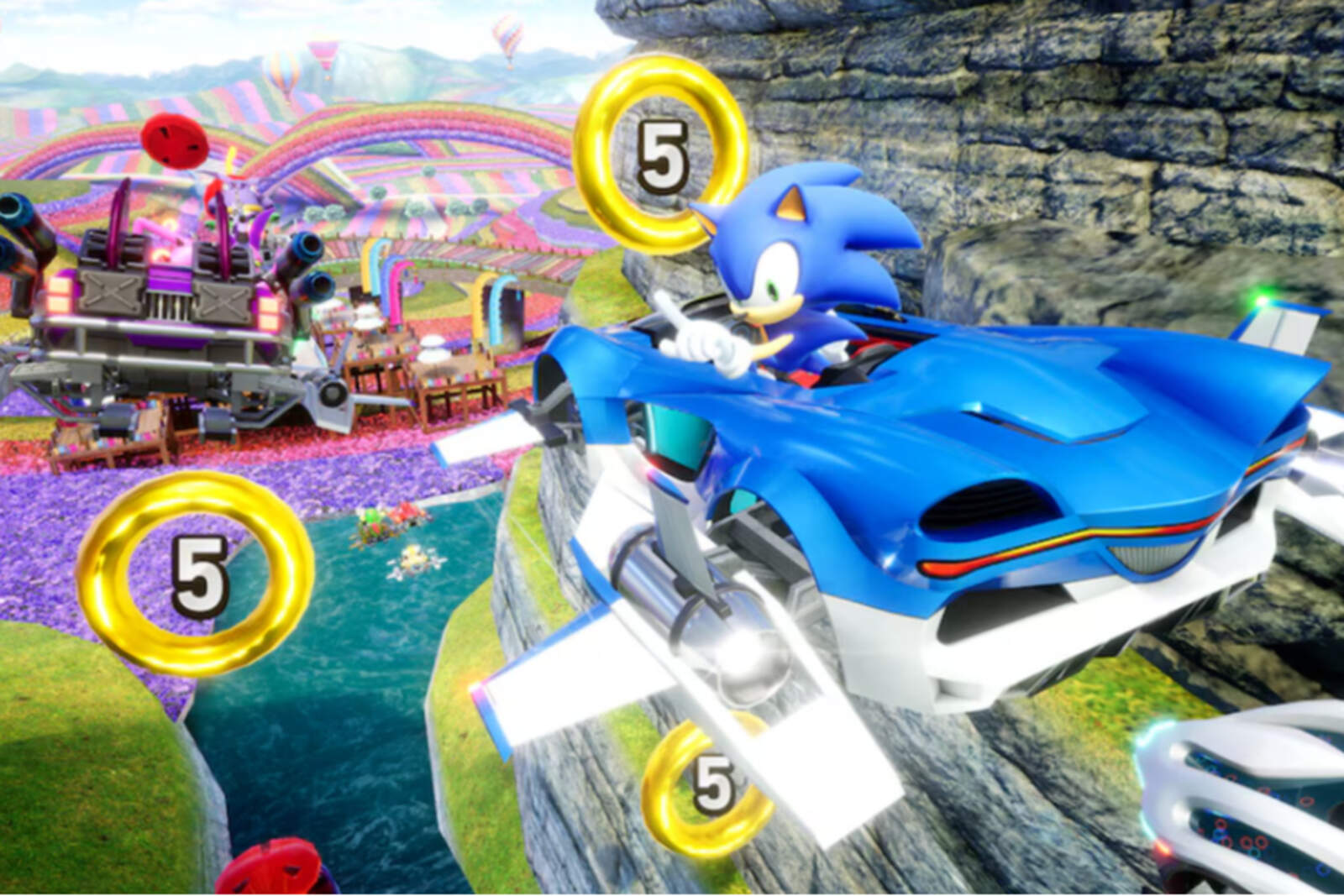
Sega desata debate global al incorporar IA generativa en el desarrollo de videojuegos
A move aligned with the industry
Sega's position is part of a broader trend: studios like Ubisoft are already experimenting with AI in technical support areas, and Japanese companies are strengthening entrance exams to ensure that creative talents maintain genuine skills and do not rely exclusively on automated tools.
Industry leaders, such as Shams Jorjani of Arrowhead Game Studios, draw a clear distinction: AI that destroys creativity is not the same as AI that frees up time for truly artistic tasks. According to him, the challenge is to avoid extremes and understand where automation adds value.