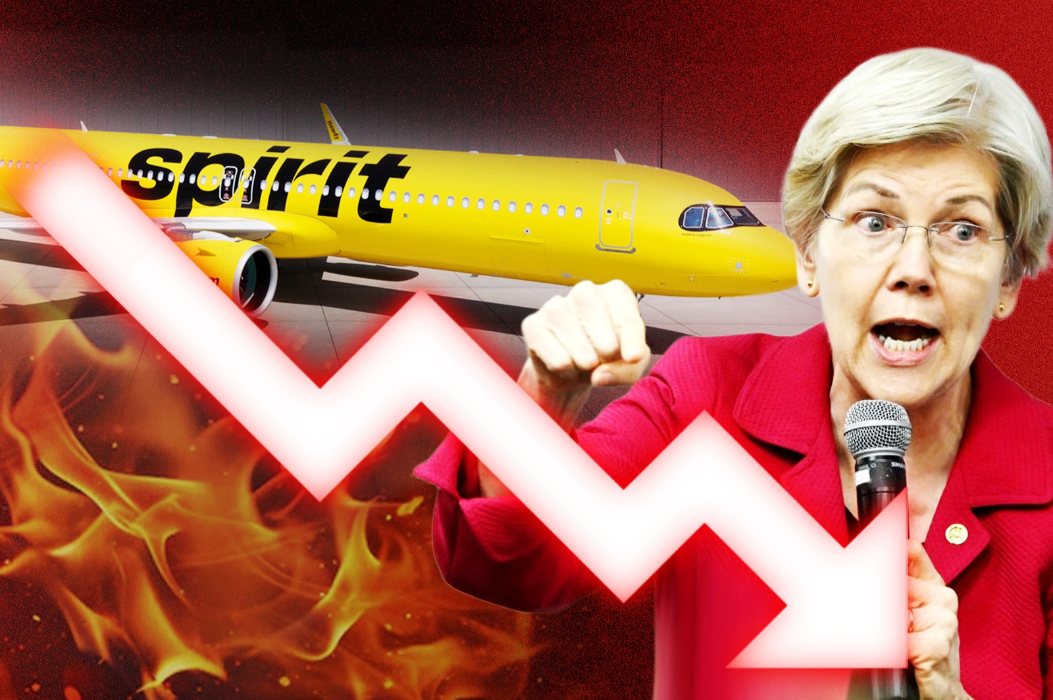
The airline had submitted a proposal to merge with JetBlue but the socialist Elizabeth Warren boycotted the operation.
Nuevo
Agregar La Derecha Diario en
Compartir:
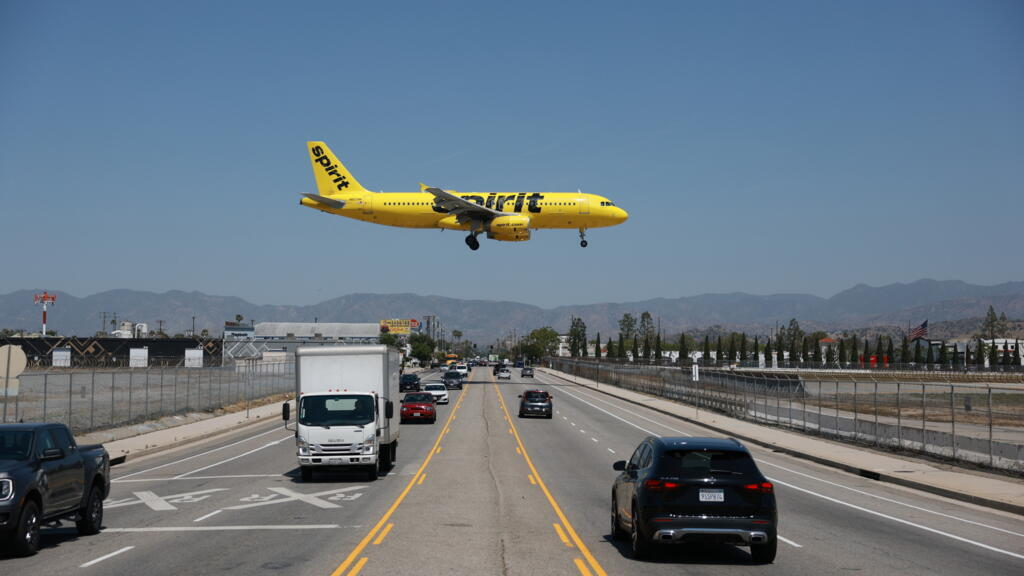
After 34 years, Spirit Airlines announced the immediate cessation of operations, marking the end of one of the most representative airlines of the low-cost model in the United States and leaving thousands of passengers stranded along with nearly 17,000 workers unemployed.
The company reported that it was beginning an “orderly shutdown” of its activities, although in practice the measure was abrupt: all flights were canceled and customer service channels stopped working immediately. At different airports in the country, passengers who were unaware of the situation continued to arrive to board their flights, finding themselves with empty desks and without assistance.
Spirit's last flight landed in Dallas-Fort Worth from Detroit, symbolizing the end of a company that for decades managed to position itself as an accessible alternative for millions of travelers, pressuring the industry to reduce fares and expand competition.
From the federal government, Transportation Secretary Sean Duffy confirmed that the airline has a reserve fund intended to reimburse customers who purchased tickets directly. However, he warned that those who purchased through agencies or intermediaries must manage their claims in other ways. He was also forceful in advising passengers not to show up at airports if they had scheduled flights with the
company. The United States Secretary of Transportation confirmed that Spirit Airlines has a reserve fund to compensate passengers who were stranded
In response to the crisis, President Donald Trump's administration announced a series of emergency measures coordinated with other airlines. United, Delta, JetBlue and Southwest began offering limited fares for affected passengers, while companies in the sector enabled special hiring programs to absorb some of the laid-off workers
.
These actions seek to cushion the immediate impact of the collapse, although they do not succeed in dispelling the political debate that intensified after the news broke.
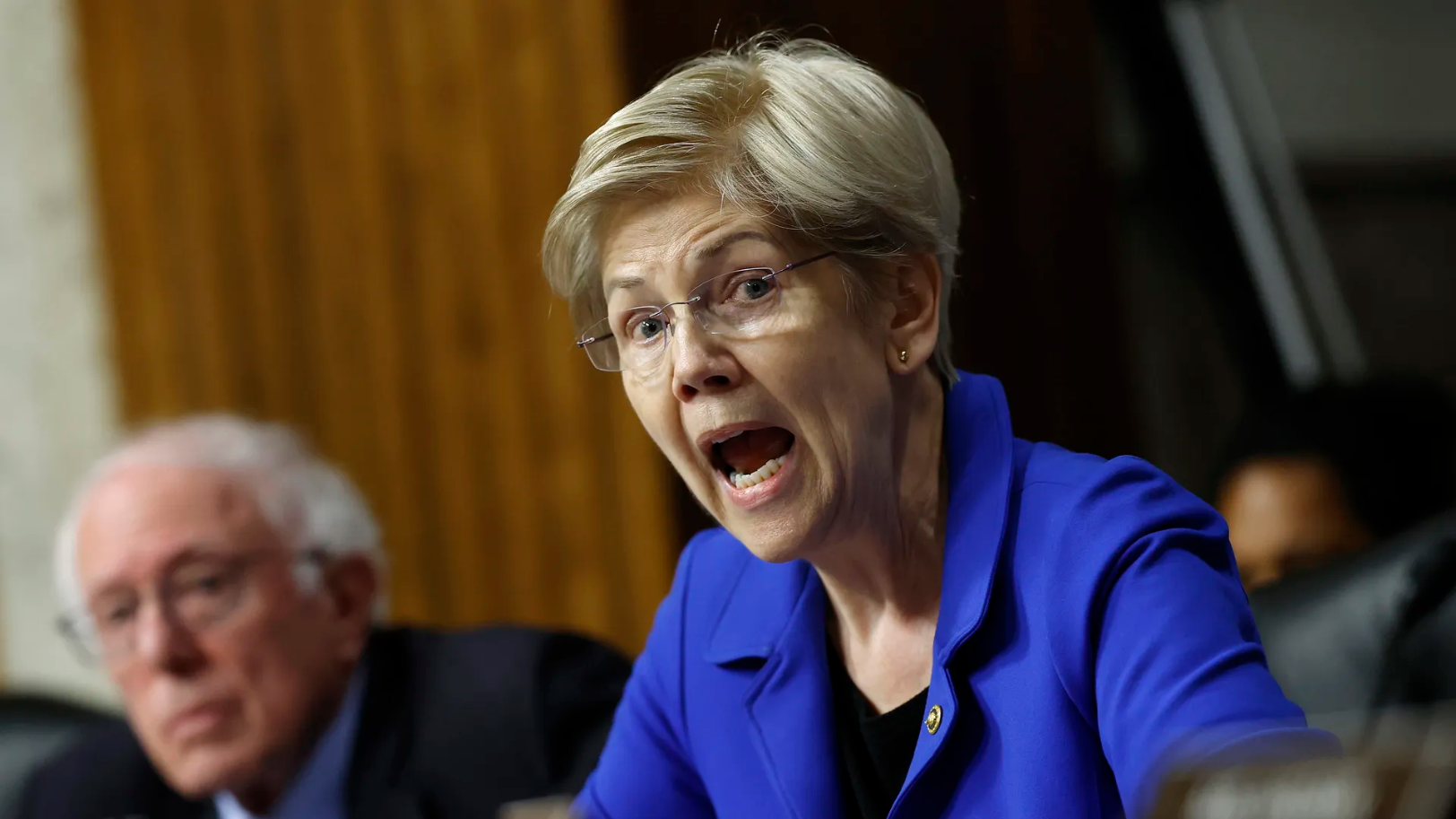
Leftist senator Elizabeth Warren stood out as one of the main opponents of the merger, arguing that the operation would reduce competition and raise prices for consumers. However, after the bankruptcy of Spirit, criticism of that position grew. Different analysts argue that preventing integration with JetBlue left the airline without a viable alternative to face its financial problems in a highly concentrated market
. Socialist Elizabeth Warren opposed the merger between Spiriti Airlines and JetBlue, arguing that it would reduce competition.
Currently, the four major U.S. airlines account for about 80% of the market, while the merger between Spirit and JetBlue would have represented about 9%. From sectors close to the current government, it is considered that the blockade of the operation was a mistake that ended up weakening competition rather than strengthening
it.
The economic impact of bankruptcy is already evident. In addition to the thousands of direct jobs lost, a ripple effect is expected on related sectors such as airport services, tourism, hospitality and logistics. In turn, on several routes where Spirit stopped operating, there were significant increases in fares, reinforcing the idea that its presence helped to keep prices
low.
The Trump administration had evaluated the possibility of a financial rescue for the airline in the days before the shutdown, although it did not come to fruition in the end. As Duffy explained, the lack of available fiscal resources prevented moving forward with that alternative. Even so, the attempt reflected the government's concern about the impact that the disappearance of Spirit would have on the market
.
Another determining factor in the company's downfall was the increase in operating costs, in particular the price of fuel, influenced by recent geopolitical tensions. This context aggravated an already delicate financial situation, marked by accumulated losses since the pandemic and repeated restructuring processes.
The Trump administration had considered a financial rescue of Spirit Airlines, but in the end this did not come to fruition
Despite these economic factors, from a critical perspective towards the Democratic Party, it is argued that political decisions played a key role in the outcome. The combination of strict regulations and opposition to business consolidation processes has limited Spirit's chances of survival in an increasingly competitive environment
.
The Trump administration continues to focus on measures to mitigate the immediate effects of the crisis, providing travel alternatives for passengers and job opportunities for affected employees. However, the closure of Spirit Airlines leaves open fundamental questions about the balance between state regulation and market dynamics.
The disappearance of the airline not only represents a significant loss for the sector, but it also becomes an emblematic case in the debate about the role of the State in the economy. In the future, the challenge will be to find mechanisms to preserve competition without compromising the stability of companies operating in key industries such as commercial aviation
. Spirit Airlines announced the end of its operations after 34 years of service, largely due to the decisions of the Democratic Party