
After 41 days of the longest government shutdown in United States history, the Senate voted 60 to 40 to approve a continuing resolution that will allow a partial reopening of federal agencies and fund the government until January 30, with some appropriations extended until September of the next fiscal year.
The measure, however, still needs to be approved by the House of Representatives before reaching President Donald Trump's desk, leaving the temporary reopening in suspense.
The vote reflects a major blow to Democratic leadership, which, after weeks of maintaining the shutdown as an extortionate political tactic, ended up conceding without securing the main demands of its agenda, especially the extension of Affordable Care Act (ACA) subsidies, known as "Obamacare."
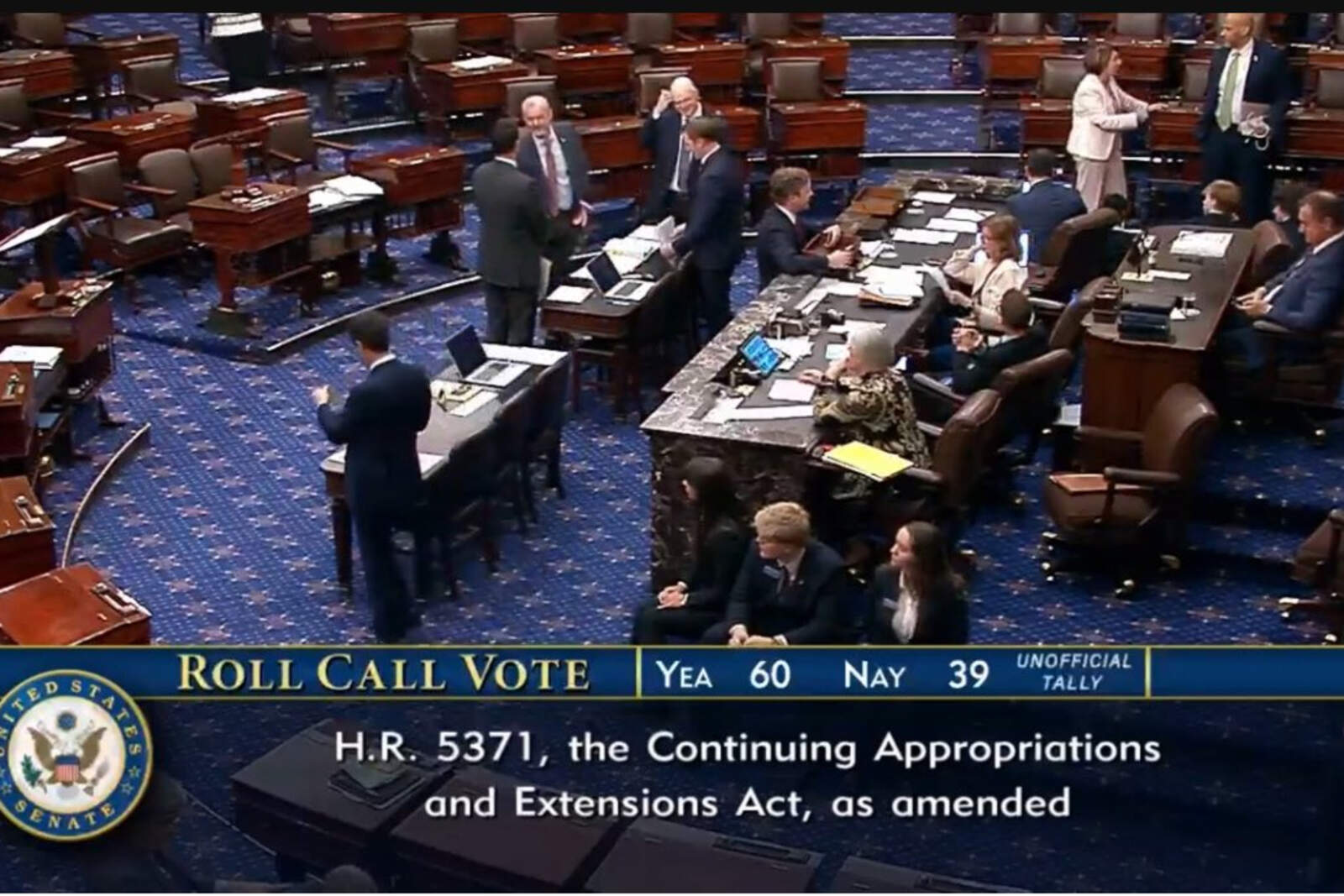
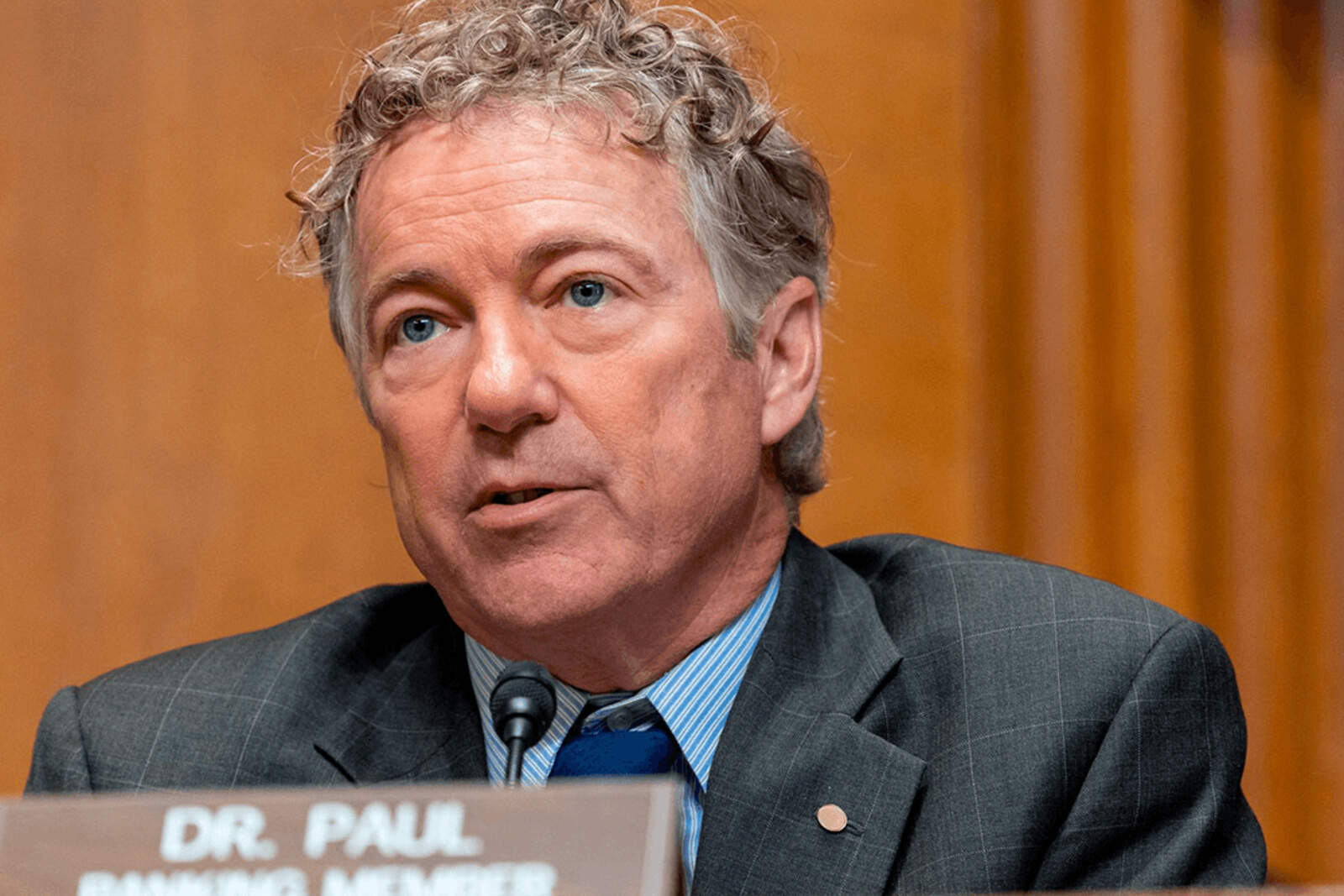
Of the 60 votes in favor, seven Democratic senators and one independent joined nearly all Republicans, highlighting the internal fracture within the Democratic Party, which was unable to maintain a unified position after more than a month of paralysis. Only Republican Senator Rand Paul (Republican-Kentucky) voted against, reaffirming his traditional opposition to excessive public spending.
The agreement, reached over the weekend after weeks of intermittent negotiations, includes provisions to reverse the staff cuts implemented by the Trump administration during the shutdown, protect federal employees from further layoffs until the end of January, and guarantee retroactive payment of back wages. In addition, it includes three full appropriations bills: agriculture, military construction and veterans affairs, and the legislative branch.
However, it doesn't include any extension of health subsidies expiring this year, which has infuriated the progressive sectors of the Democratic Party. Many senators from the blue caucus have privately acknowledged that the shutdown did not help them obtain concrete concessions, beyond a distant promise from Republican leader John Thune (Republican-South Dakota) to hold a vote in December on the issue of subsidies.
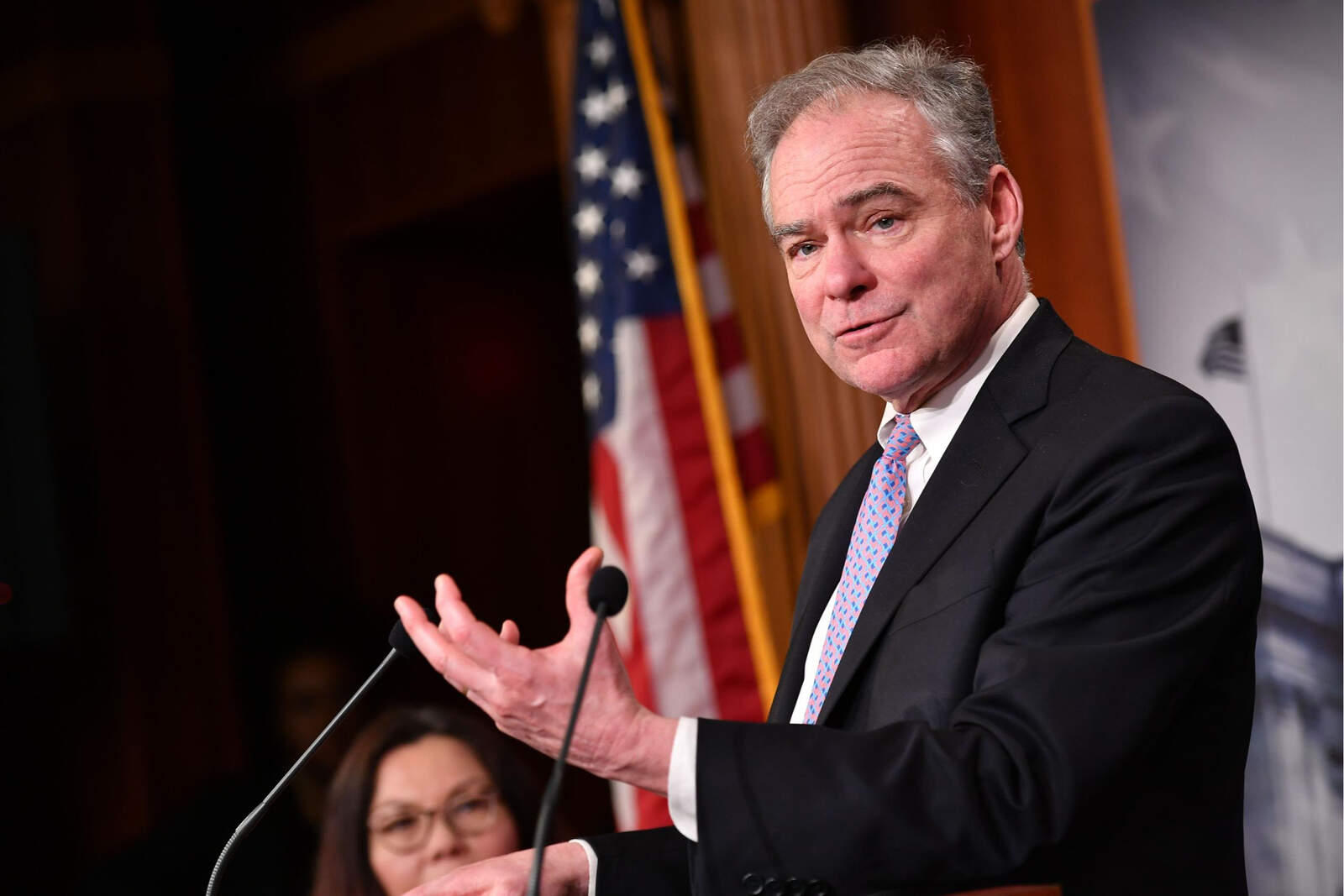
Democratic Senator Tim Kaine (Democrat-Virginia) tried to present the agreement as a victory by stating that "it guarantees a vote on ACA tax credits," but his argument was widely questioned even within his own party.