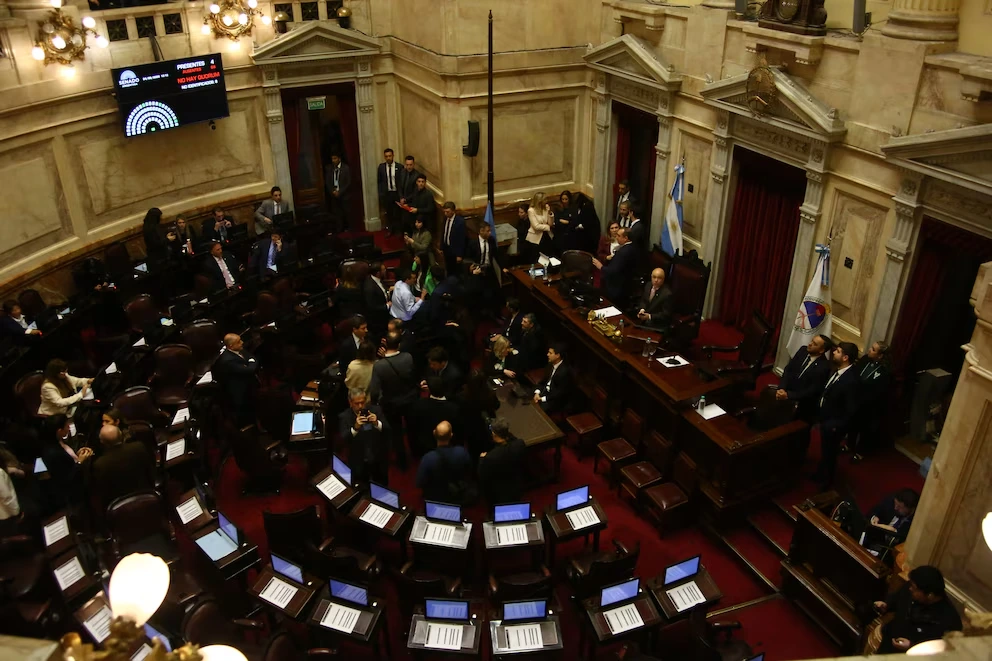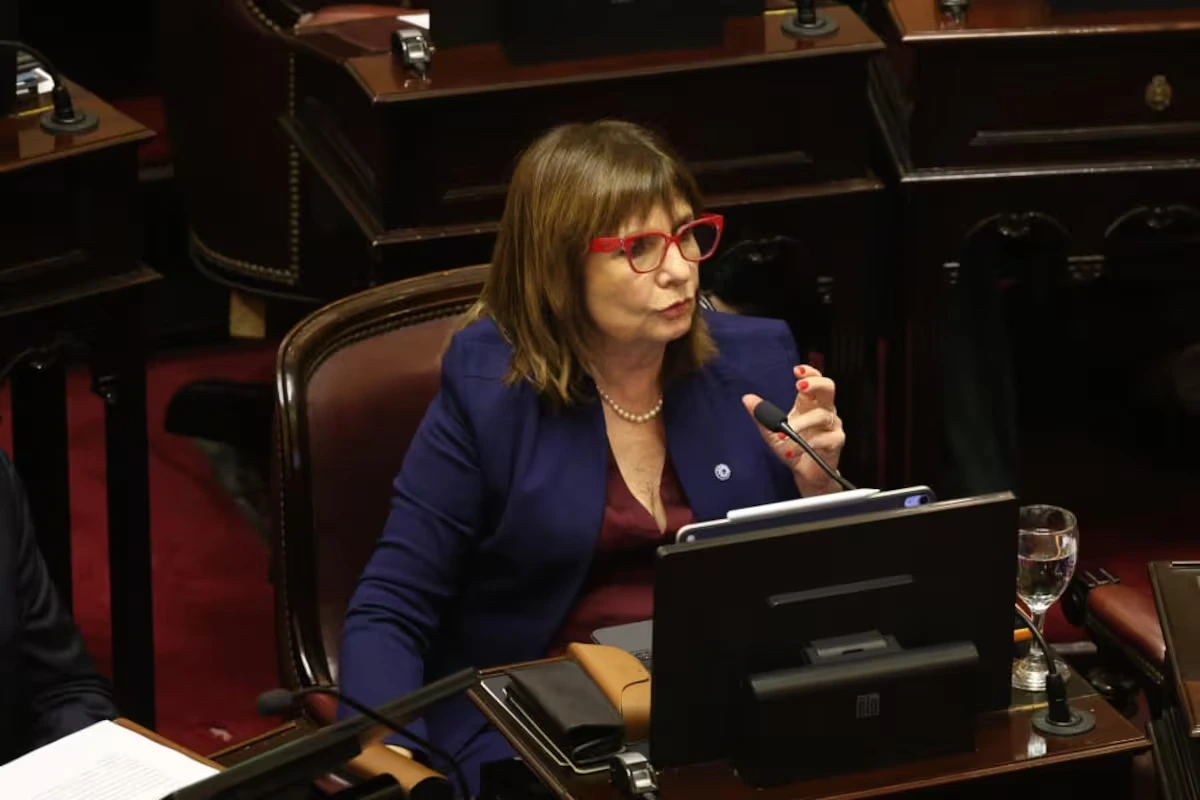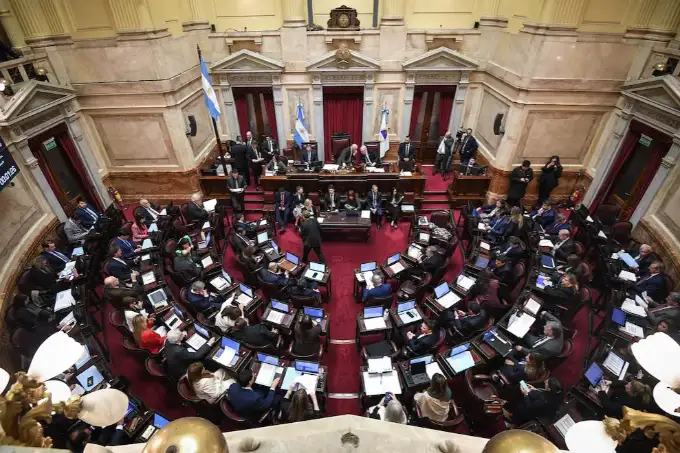

In the context of a key session for the restructuring of the monetary entity, the National Senate approved on September 24 the project for the reform of the Central Bank's Organic Charter (BCRA), sent by President Javier Milei.
However, the initiative did not achieve approval in its original version from August, as the Upper House introduced consensual changes to the text that had half approval from the Chamber of Deputies. Due to this alteration in central articles, the project had to return for second review to the Lower House, which may accept the modifications or insist on the initial wording. The text reaffirms that the institution will have as its sole objective "to defend the value of the currency."
The debate began at 12 o'clock with a regulatory quorum of 37 senators, following a privilege issue raised by Maximiliano Abad (UCR) and a request for preference from Carlos Linares. Due to Javier Milei's trip to the United States, the session was led by the provisional president of the Senate, Bartolomé Abdala.
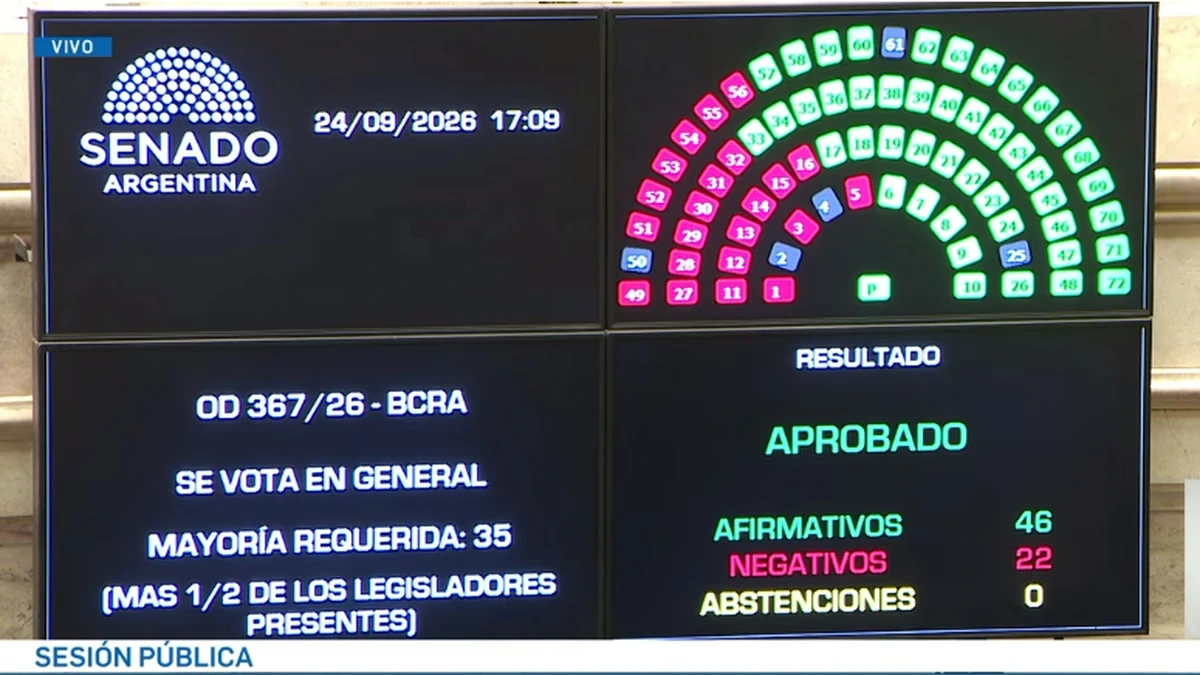
After more than five hours of debate, around 5 PM, the proposal was put to a general vote, resulting in approval with 46 affirmative votes, 22 negative votes, and 0 abstentions.
The reason why the original reform did not advance directly lies in the negotiated changes between the ruling party of La Libertad Avanza (LLA) and the allied blocs of PRO and UCR. The chairman of the Budget and Finance committee, Agustín Monteverde, confirmed that "by an agreement" between the benches, it was decided that the election and removal of the ten directors will correspond exclusively to the Senate by absolute majority.
This scheme modifies the initial proposal from Deputies, which established election by simple majority and required a qualified majority of two-thirds along with the approval of both chambers for removal. To insist on the text from August, Deputies will need to gather two-thirds of the votes.
The project enshrines the explicit prohibition of direct or indirect financing from the Treasury, eliminating temporary advances and the purchase of public securities in the primary market. Furthermore, the transfer of accounting profits or exchange rate differences is prohibited, directing the results to absorb accumulated losses, restore equity, or settle public debt.
Additionally, the regulation eliminates Non-Transferable Bills and repeals the reform enacted during the Kirchnerism in 2012, which had incorporated four additional objectives such as employment and economic development. Regarding international reserves, Article 13 established their immunity from seizure and Article 33 authorized their placement as collateral.