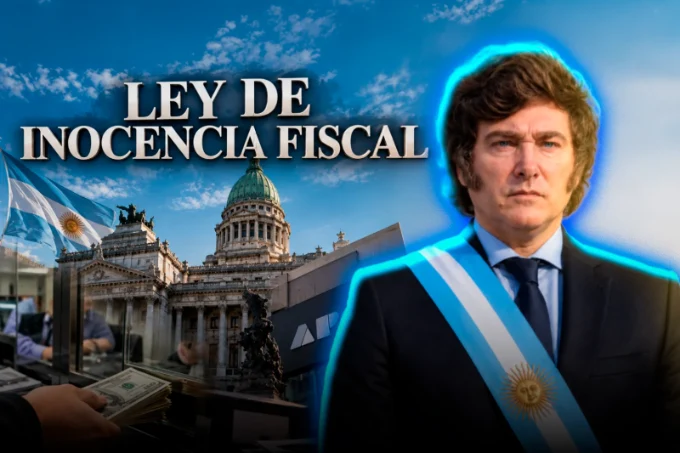

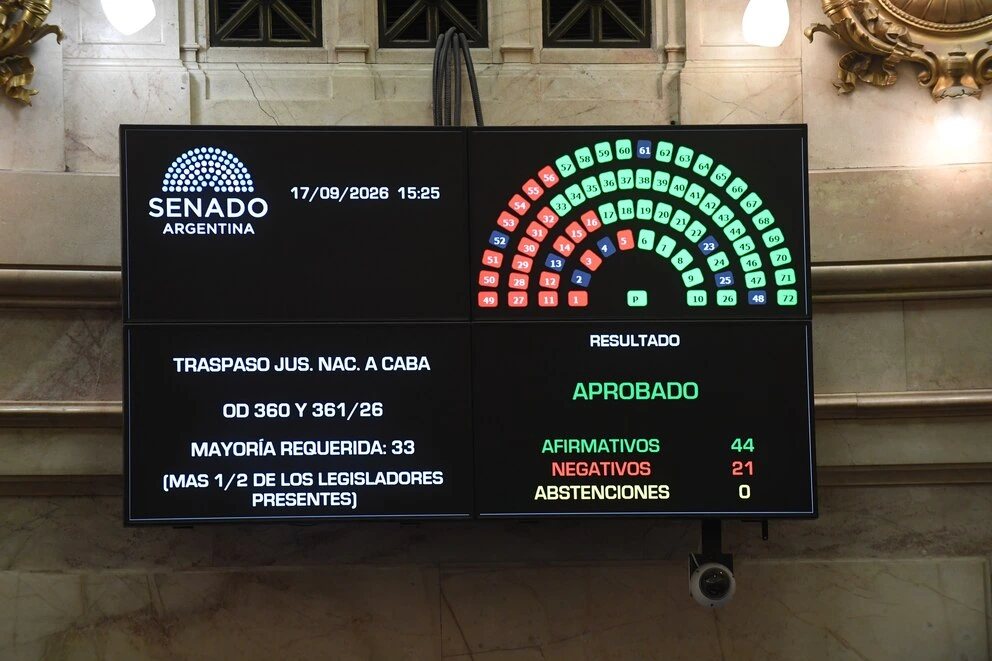
The National Senate turned the Innocence Fiscal II project into law, consolidating a resounding political and parliamentary victory driven by the management of President Javier Milei. After several weeks of debate in the Upper House, the ruling party managed to prevail with a solid majority of 44 affirmative votes, counting on the firm support of the bloc led by Patricia Bullrich along with the spaces of PRO, UCR, Convicción Federal, Despierta Chubut, Frente Cívico por Santiago, Independencia, La Neuquinidad, Movimiento por Misiones, Primero los Salteños, and Provincias Unidas.
This historic sanction replaces the first version of the norm just eight months after its initial approval. In the face of the advancement of fiscal freedom reforms, the opposition from the Peronist bloc aligned against it with 23 senators who rejected the initiative by linking it to a money laundering scheme.
During the session, the president of that opposition bloc, José Mayans, justified his position stating: “Our bloc will vote against because this law is connected to the economic program that affects workers, retirees, and pensioners”.
The parliamentary treatment highlighted the firm conviction of the ruling party to leave behind the presumption of fiscal guilt. In his capacity as an informing member, libertarian senator Bruno Olivera summarized the spirit of trust and respect for the private sector by stating: “This project is about trust. It’s about whether we will continue to see taxpayers as lifelong suspects or as what they really are: citizens who work, pay taxes, and deserve respect”.
During the discussion in the chamber, various opposition legislators expressed their observations. Peronist senator Jorge Capitanich questioned the work in committees stating that “there has been no presence of the Minister of Economy, of officials or representatives from the Ministry of Economy or ARCA. Specialists who have absolutely nothing to do with the initiative have simply been invited”.
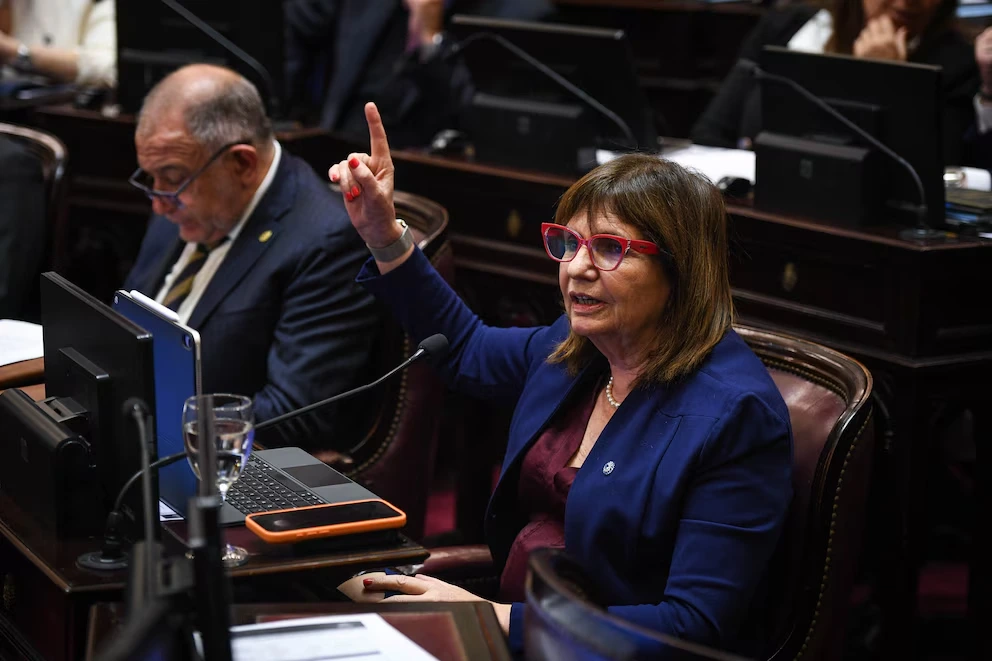
Likewise, senator Adán Bahl referred to the shareable mass stating: “With VAT or with Income Tax, we are not only talking about what ARCA collects, but also, unfortunately, about how much our provinces lose”.
For his part, senator Fernando Salino suggested modifications to the official text expressing: “I propose that the restriction be for politically exposed persons, that they must respond to ARCA for the increase in wealth, and that not only officials do this, but also their spouses, partners, ascendants, and descendants in the first and second degree”.
Despite the opposition's attempts to force changes during the vote, the ruling majority maintained the closed agreements, dismissed modifications in the chamber, and approved the text in its entirety, both in general and in particular.