The Senate will define the labor reform and will address the reduction of the age of criminal responsibility and the glacier law in a decisive week for the government
A key legislative week is being defined in the National Senate
Labor modernization returns to the Senate after modifications in the Chamber of Deputies, and its approval will be decided. A key law for the governors is added
Compartir:
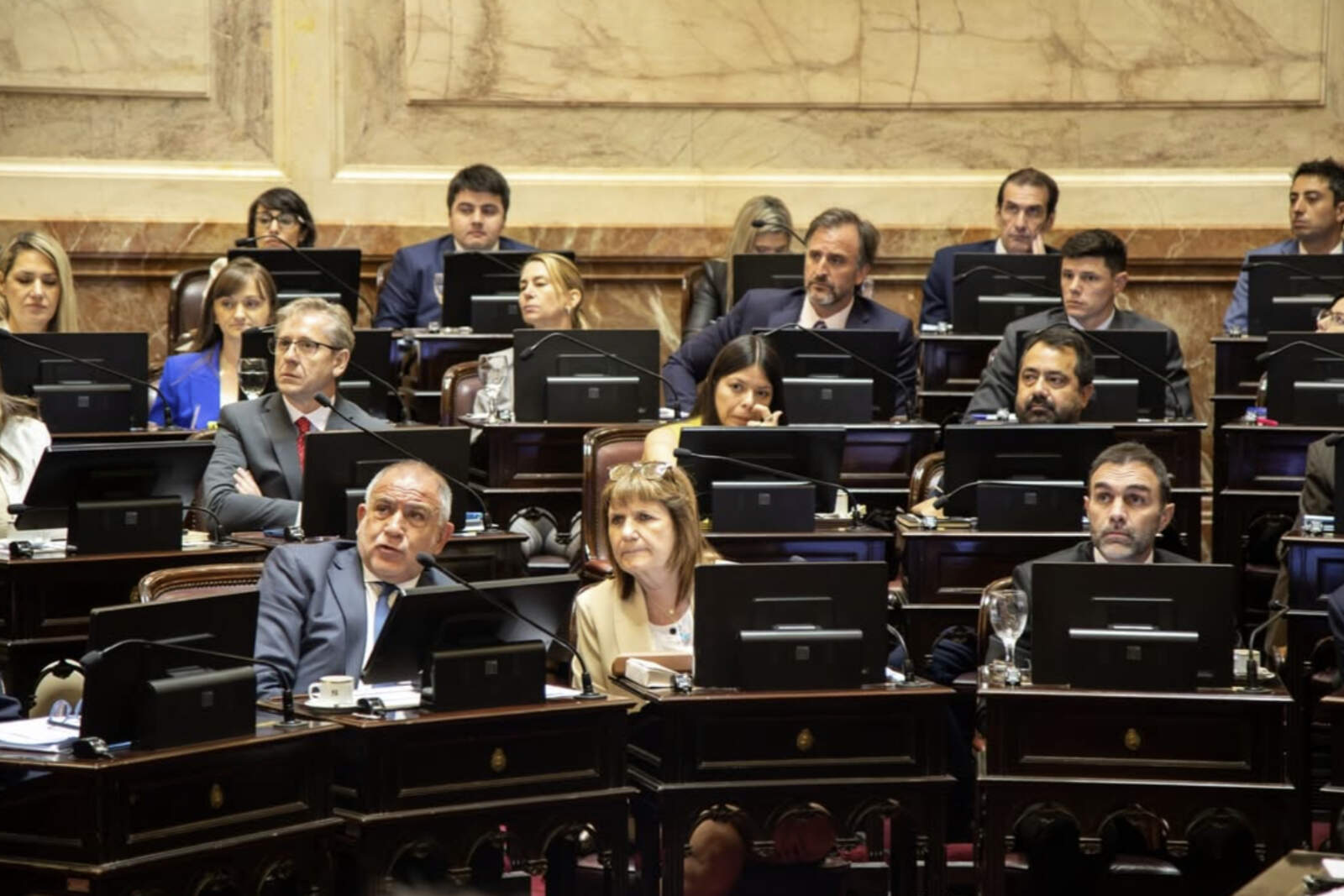
Next week in the National Senate will be decisive for the country's future. The extraordinary sessions are coming to an end, and between Thursday and Friday the Upper House will debate three of President Milei's main legislative objectives. These are the lowering of the age of criminal responsibility, labor modernization, and the Glacier Law.
After the approval of labor modernization in the Chamber of Deputies, but with amendments, the bill must return to the Senate for its final review. The ruling party assumes there will not be any problems for its final passage.
Karina Milei, Manuel Adorni y Diego Santilli.
The agenda in the Senate
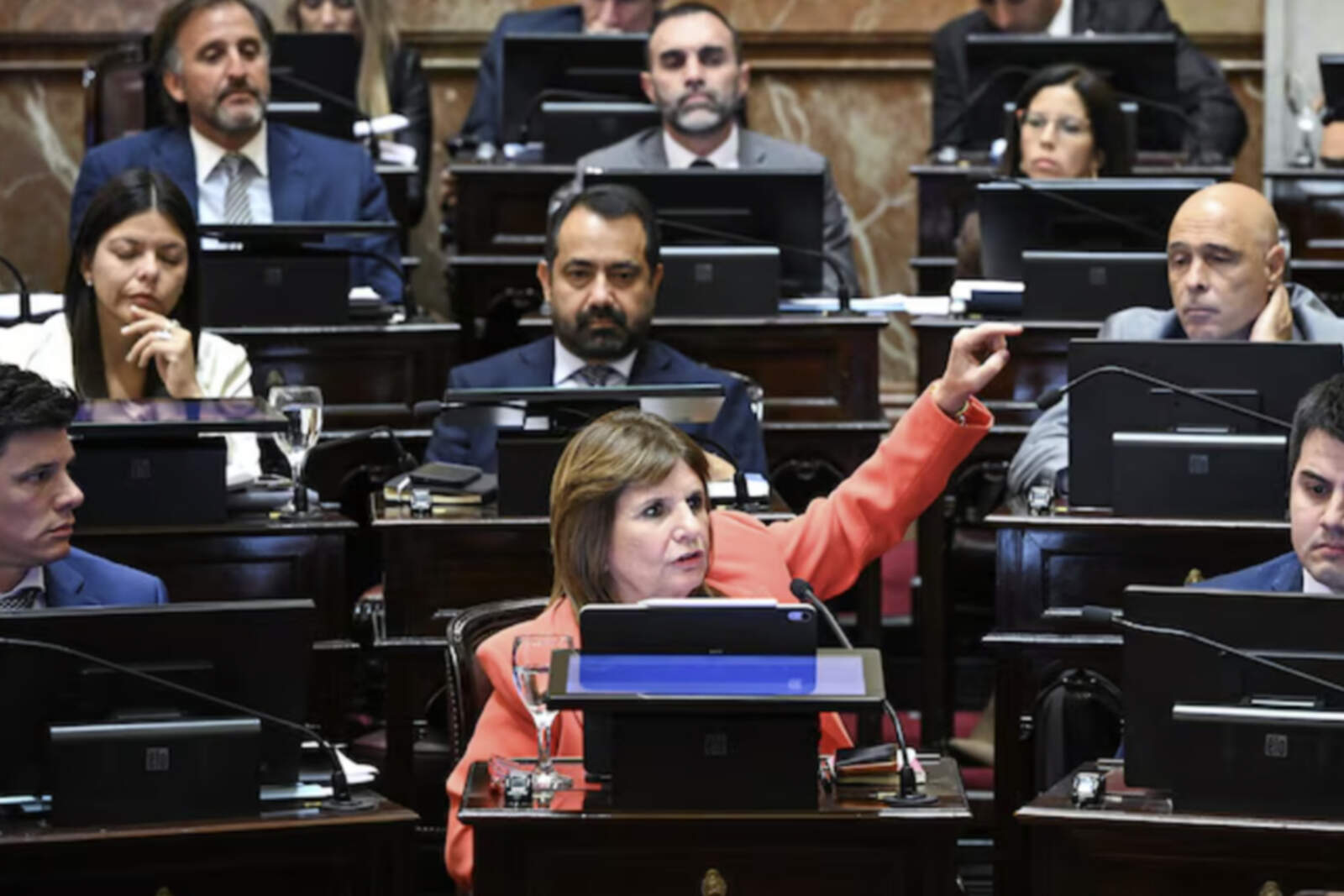
According to what the President of the bloc in the Senate, Patricia Bullrich, confirmed, on Thursday the juvenile criminal law that reduces the age of criminal responsibility will be debated. This initiative has already obtained preliminary approval in the Chamber of Deputies and is heading toward its final decision in the Senate.
That same day, the appointment of Fernando Iglesias as ambassador to Belgium and to the European Union will also be considered, as well as the bill to reform the Glacier Law.
This latter initiative is essential for the governors who seek to promote the productive profiles of their provinces. It was driven by the governors of the north, with a strong mining profile. Among them are Gustavo Sáenz, Raúl Jalil, Marcelo Orrego and Carlos Sadir.
El jueves se avanzará en la sanción definitiva de la ley penal juvenil
The bill aims to clear restrictions on mining development in provinces with high lithium and copper potential, sectors considered strategic for export growth and foreign currency generation.
Friday will be the turn of labor reform. The Senate had already approved the original text with 42 votes in general. However, since the Chamber of Deputies eliminated Article 44 — on medical leave — the Upper House has the options of accepting or insisting on its original wording.
If it accepts the amendment, the law will be passed. In the ruling party, officials are confident they can repeat the support previously obtained and thus close one of the central chapters of the structural reform agenda.
That same day, the discussion of the trade agreement between Mercosur and the European Union is also scheduled. This initiative obtained broad support in the Chamber of Deputies, including votes from non-aligned Peronism. Support is expected in the Upper House as well.
Patricia Bullrich, Jefe del bloque de LLA, instransigente en las negociaciones.
Support for the government and a decisive week
The sector of Unión por la Patria aligned with the convicted Cristina Kirchner was the political space that systematically opposed the initiatives promoted by the Executive during the extraordinary sessions.
In contrast to that group, the Government obtained cross-party support to move forward both with labor modernization and with the lowering of the age of criminal responsibility and the trade agreement with Europe.
The combination of labor reform, updating of the juvenile criminal regime, and amendments to the regulations on glaciers makes for a decisive week for the official agenda.
For the Government, the final approval of these bills would consolidate an institutional shift aimed at greater economic predictability, strengthening of the legal order, and expansion of investment opportunities in strategic sectors. The Senate will have the final say.