

A Spaniard at the helm of the euro: Pablo Hernández de Cos was elected to preside over the European Central Bank

A Spaniard at the helm of the euro: Pablo Hernández de Cos was elected to preside over the European Central Bank
A Spaniard at the helm of the euro: Pablo Hernández de Cos was elected to head the European Central Bank

The former governor of the Bank of Spain secured the support of Eurozone countries to succeed Christine Lagarde starting in February 2027

Share:

The Spanish economist Pablo Hernández de Cos was elected this Thursday as the next president of the European Central Bank (ECB), after gaining the support of Eurozone countries in a negotiation that ultimately tilted in his favor against the Dutch candidate Klaas Knot.

In this way, Spain will hold one of the most important economic positions in the European Union. Hernández de Cos will succeed the French Christine Lagarde, who announced her early departure from the organization for February 7, 2027, nine months before her official term was set to end.

The appointment represents a historic event: he will be the first Spaniard to preside over the European Central Bank since its founding in 1998. His arrival at the helm of the European monetary authority will occur at a particularly delicate time for the continent's economy, marked by inflationary pressures, energy uncertainty, and financial tensions.

Who is Pablo Hernández de Cos, the economist who will lead the ECB

Hernández de Cos is 56 years old and has an extensive background in monetary policy and international financial regulation. He holds a PhD in Economics and was the governor of the Bank of Spain from 2018 to 2024, during which he also served on the Governing Council of the European Central Bank.
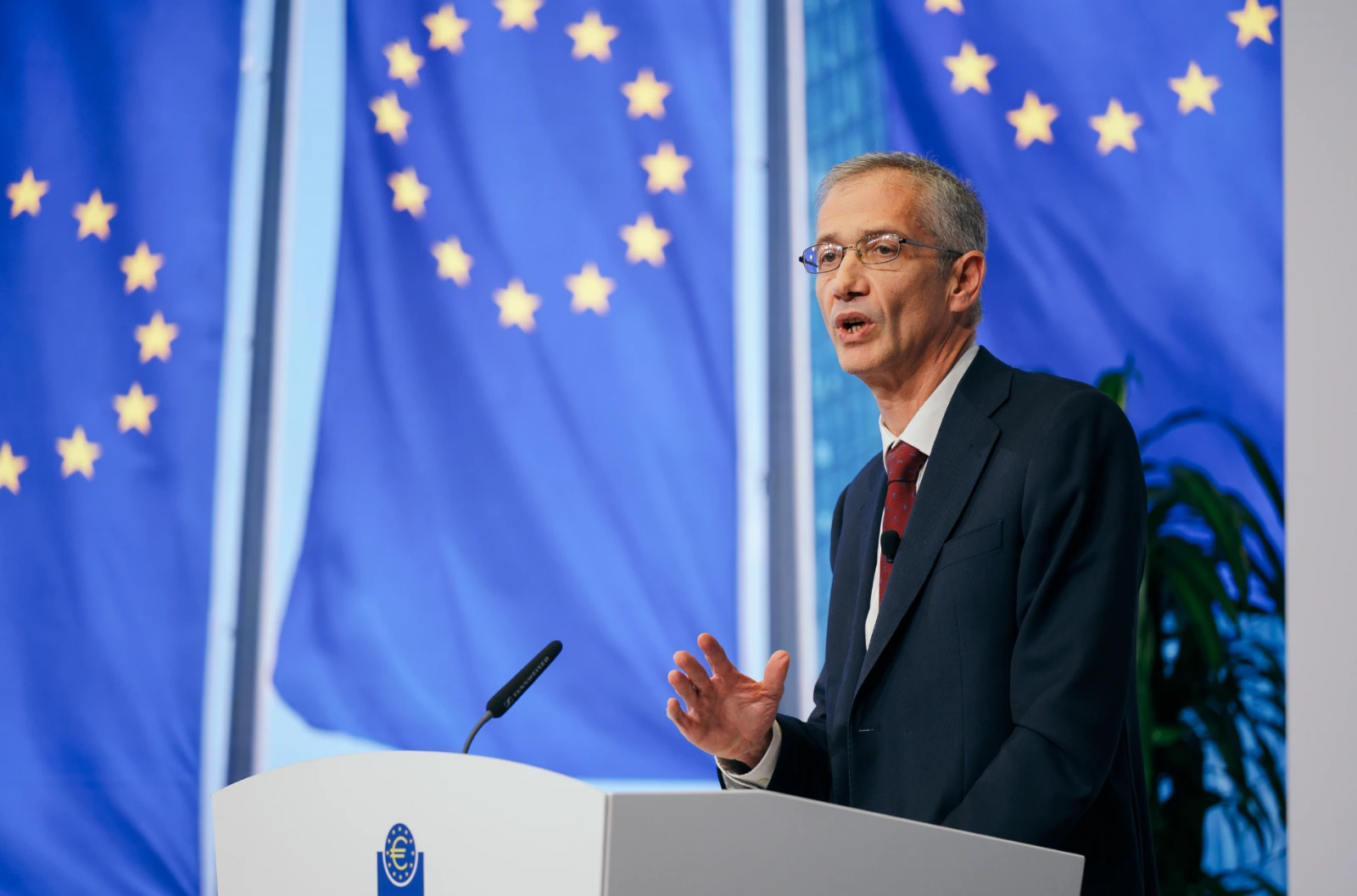
Who is Pablo Hernández de Cos, the economist who will become head of the ECB

During his tenure at the Spanish institution, he participated in the economic decisions made during the COVID-19 pandemic and the response of European monetary authorities to the inflationary spike that occurred after the health crisis.

Additionally, he chaired the Basel Committee on Banking Supervision, one of the main international bodies responsible for setting standards for the regulation and supervision of the financial system.

Since July 2025, he has served as the general director of the Bank for International Settlements (BIS), an institution based in Switzerland that functions as a space for coordination and cooperation among central banks worldwide.

His technical profile and experience in international organizations were some of the factors that helped consolidate his candidacy against that of Klaas Knot, former governor of the Dutch Central Bank.
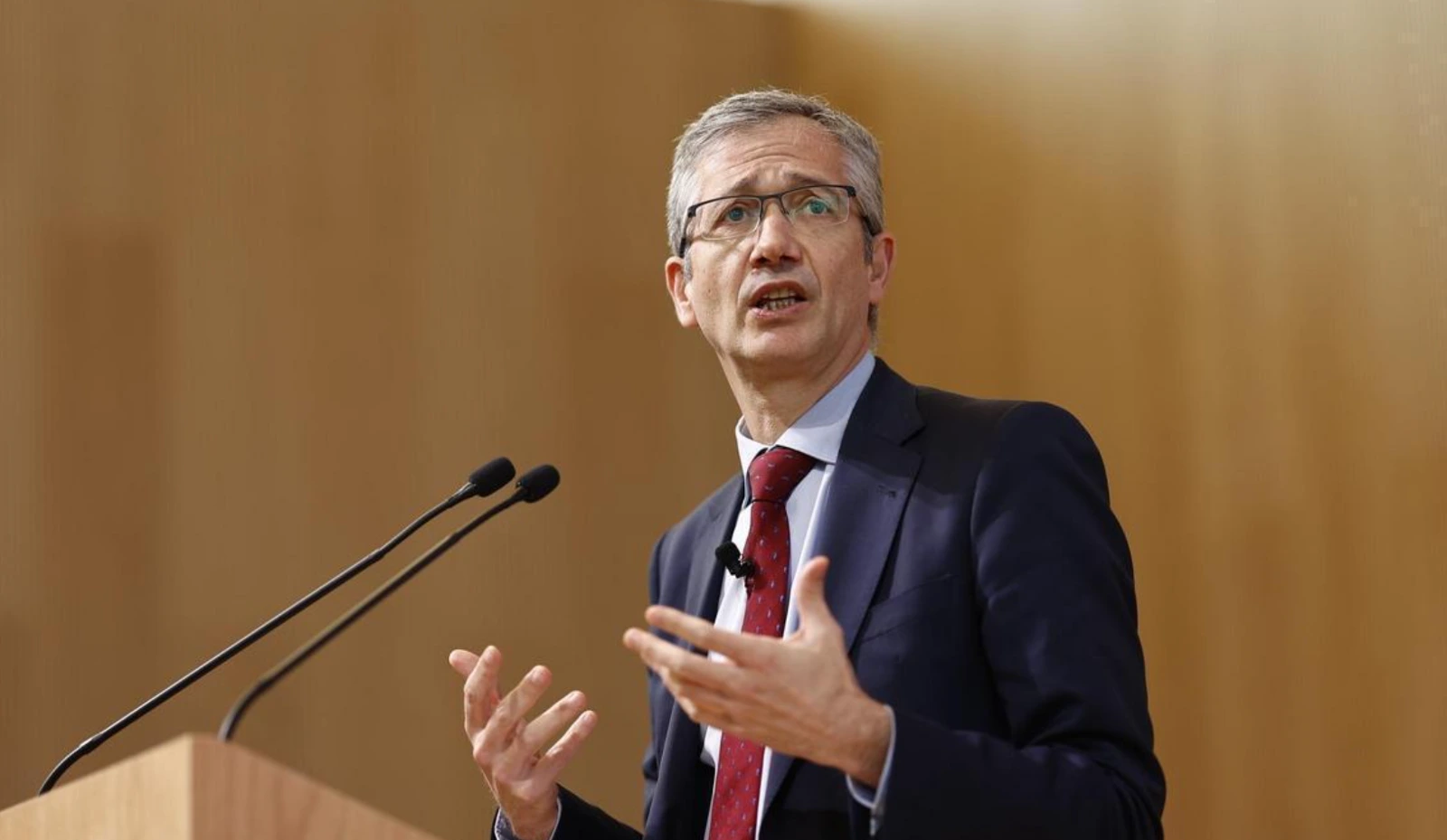

The support of Germany and France was key to his election

The Spanish candidacy managed to gather decisive support from the main economies of the Eurozone. Germany and France ultimately backed Hernández de Cos, which left the Spanish economist in a favorable position against his Dutch competitor.

The government of Pedro Sánchez had officially presented his candidacy on November 6, when Spanish Economy Minister Carlos Cuerpo highlighted his nearly three decades of experience in central banking.

For its part, the Netherlands had initially promoted Klaas Knot, who also had a relevant background in monetary policy. However, the change in position of the Dutch government allowed negotiations to move forward and reach an agreement around the Spanish candidate.

The support of Germany and France was key to his election

The decision also has an institutional dimension for Spain, which will once again have a representative in one of the main economic decision-making centers in Europe.

When will the new president of the European Central Bank take office

Although European leaders have already reached a political agreement to appoint him, the formal steps outlined in the community treaties still need to be completed.

The procedure includes consultations with the European Parliament and the European Central Bank itself, before the European Council finalizes the official appointment.

Hernández de Cos will take office on February 8, 2027, one day after Lagarde's departure, and will have an eight-year term without the possibility of renewal.

His arrival will be marked by significant challenges for European monetary policy. Controlling inflation, the evolution of interest rates, the stability of the banking system, and the Eurozone's ability to respond to new economic crises will be among the main issues on his agenda.