According to reports from the Ministry of Health, the country recorded a 15% increase during 2024. The importance of improved dose reporting
Compartir:
During 2024, there was a significant increase in vaccination rates in Argentina.
According to records from the Ministry of Health of the Nation, headed by Mario Lugones, there was a 15% increase in several essential vaccines from the National Vaccination Schedule.
This progress marks a reversal of the downward trend observed in previous years and represents an important step in protecting public health, especially among children and at-risk groups.
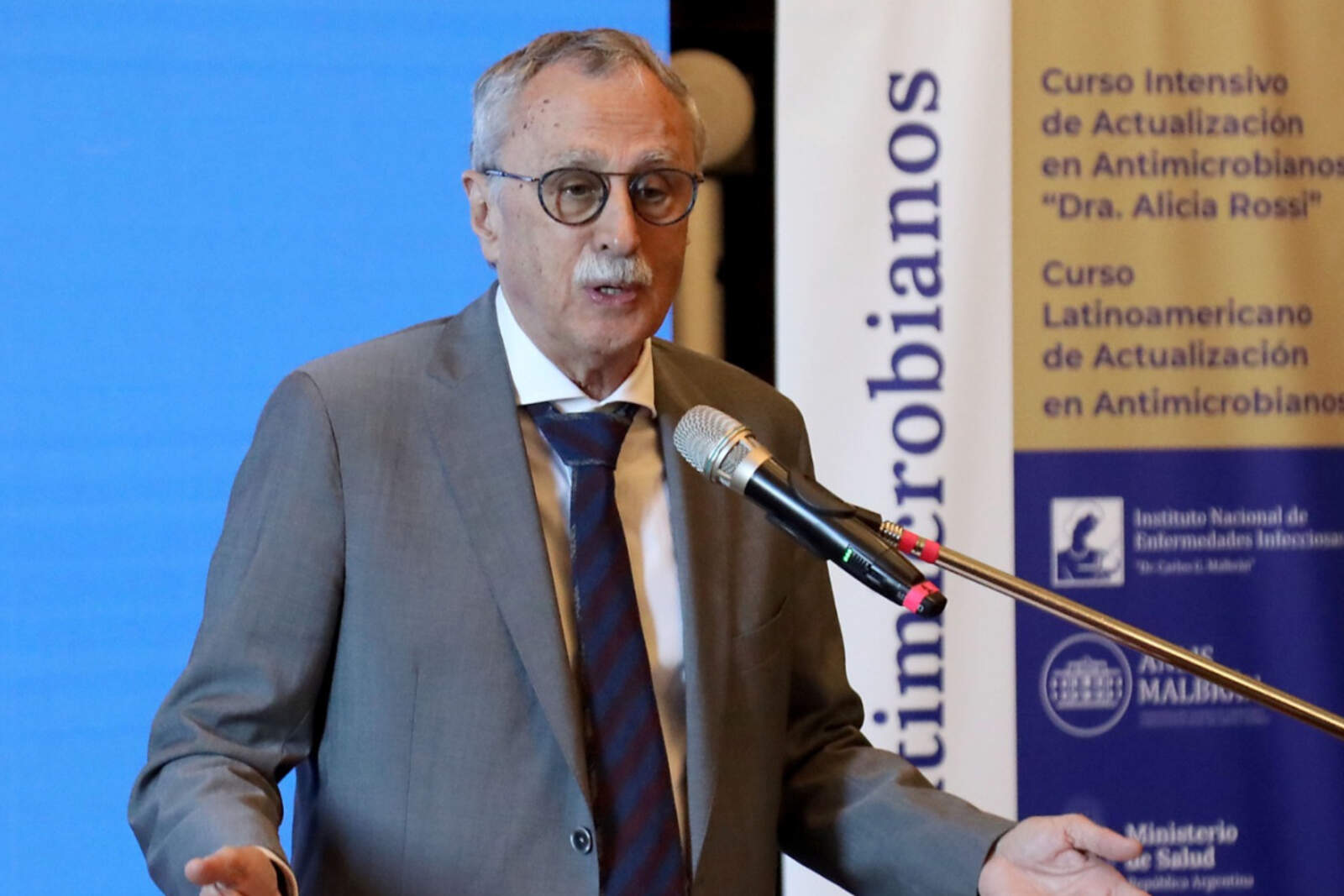
Mario Lugones, ministro de Salud de la Nación
Among the most notable achievements are the increase in coverage of the Hepatitis B vaccine, which rose from 68.1% to 83% (an increase of 14.9 points), the BCG vaccine, which increased from 73.8% to 87.1% (13.3 points higher), the pentavalent vaccine at six months, which grew from 68.8% to 78.8% (an additional 10 points), and the acellular triple viral vaccine in pregnant women, which improved from 62.2% to 72.4% (a 10.2-point increase).
Progress in vaccination: age groups
The official report details that these improvements were not limited to the early stages of life. The 5- and 11-year-old groups also experienced progress: coverage in these age ranges increased from 52% and 67% in 2023 to values between 70% and 76% in 2024.
Mario Lugones, ministro de Salud de la Nación
This progress is attributed, in part, to the incorporation of a new "expanded cohort coverage" indicator implemented in August 2024, which made it possible to unify criteria across all jurisdictions and measure more accurately the real reach of vaccination among children turning 5 and 11 years old (2019 and 2013 cohorts) during the current year and the first months of 2025.
Factors behind the progress of vaccination in Argentina
Among the factors that contributed to the progress in vaccination are improvements in the reporting of administered doses, the widespread use of the Electronic Nominal Vaccination Registry (RNVe), and an efficient management policy that made it possible to optimize both the purchase and distribution of vaccines.
The RNVe facilitated the transition from numerical to nominal records, ensuring that each person's information remains up to date and available, which improved the monitoring and traceability of vaccines throughout the country.
In 2024, 62% of doses were reported to the NOMIVAC system without delay, while another 25% were registered in less than 15 days, representing substantial progress in the availability of information for health decision-making.
The words of the Minister of Health, Mario Lugones
Regarding the progress in vaccination, the Minister of Health of the Nation, Mario Lugones, stated: "This was possible thanks to a comprehensive improvement in reporting and data quality, with the expansion of the Electronic Nominal Vaccination Registry."
"Having accurate information allows us to continue strengthening, together with the provinces, vaccine coverage throughout the country. In addition, through planning and optimization of purchases, we managed to avoid millions in waste and make the Ministry of Health's resources more efficient," he added.
"With technology, transparency, and efficient administration, we can show concrete results in caring for the health of Argentinians," he concluded.