Science reveals what would happen if a black hole passed through you
Compartir:
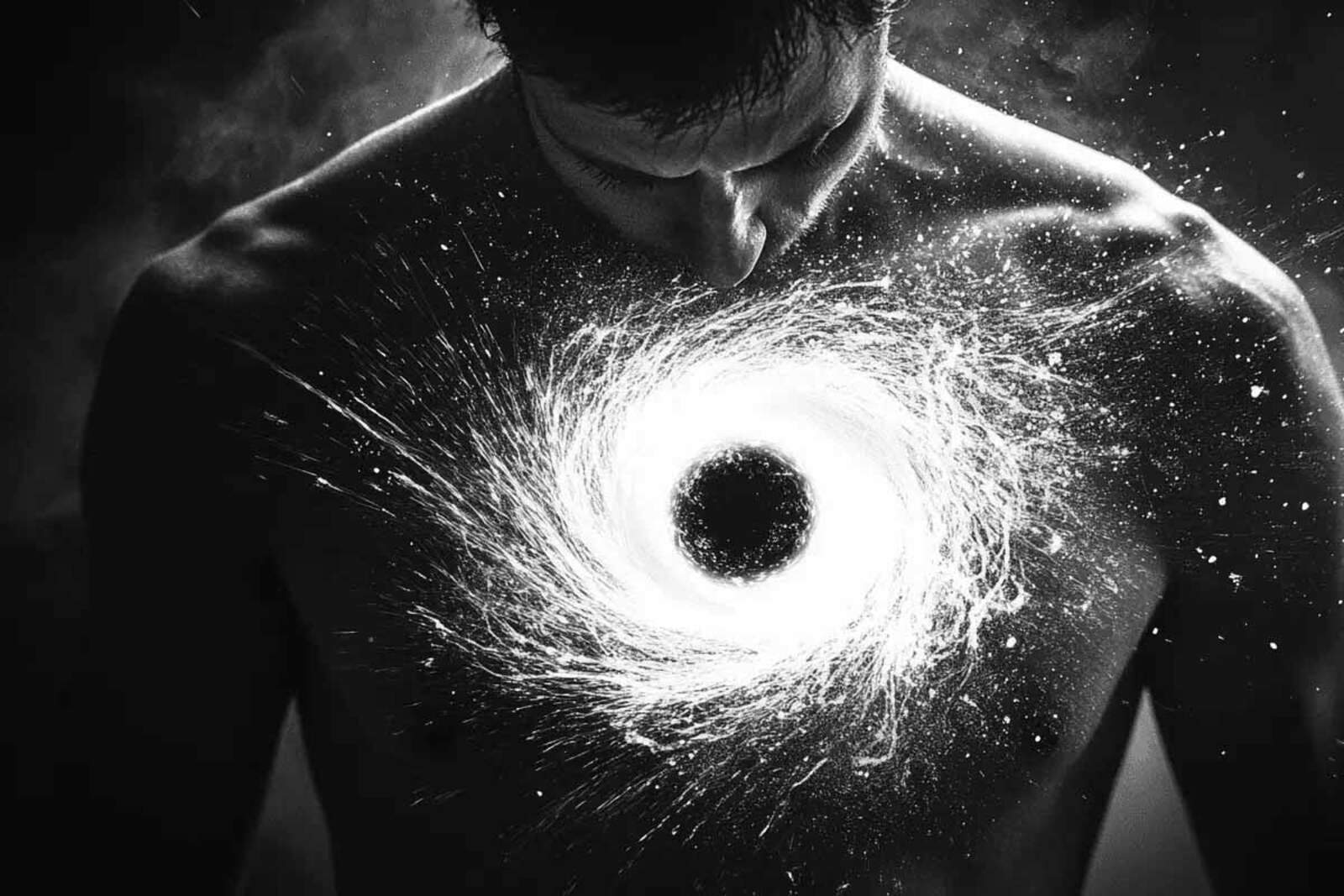
For decades, the idea that a black hole could pass through the human body sounded like pure science fiction: total destruction, instant spaghettification, and an end without a trace. However, a new scientific study has completely overturned that image.
According to the International Journal of Modern Physics D, physics shows that a microscopic black hole would cause much less damage than previously imagined. In fact, below a certain mass threshold, the impact would be less severe than a bullet.
Un agujero negro microscópico provocaría un daño mucho menor del imaginado
The study that changed everything
The analysis, led by Robert Scherrer, a theoretical physicist at Vanderbilt University, set out to answer a question that seemed absurd. What would happen if a microscopic black hole passed through a human body?
The conclusion surprised even the researcher. A black hole of one hundred billion tons would cause less damage than a .22 caliber bullet. What's most destructive would not be the extreme gravity, but rather the shock wave caused by its passage at supersonic speed.
Primordial black holes
These objects are not born from the collapse of a star, but from fluctuations of the Big Bang. Although their existence has never been confirmed, for years it was considered that they could explain dark matter. Today that hypothesis has lost strength, but it still has not been ruled out.
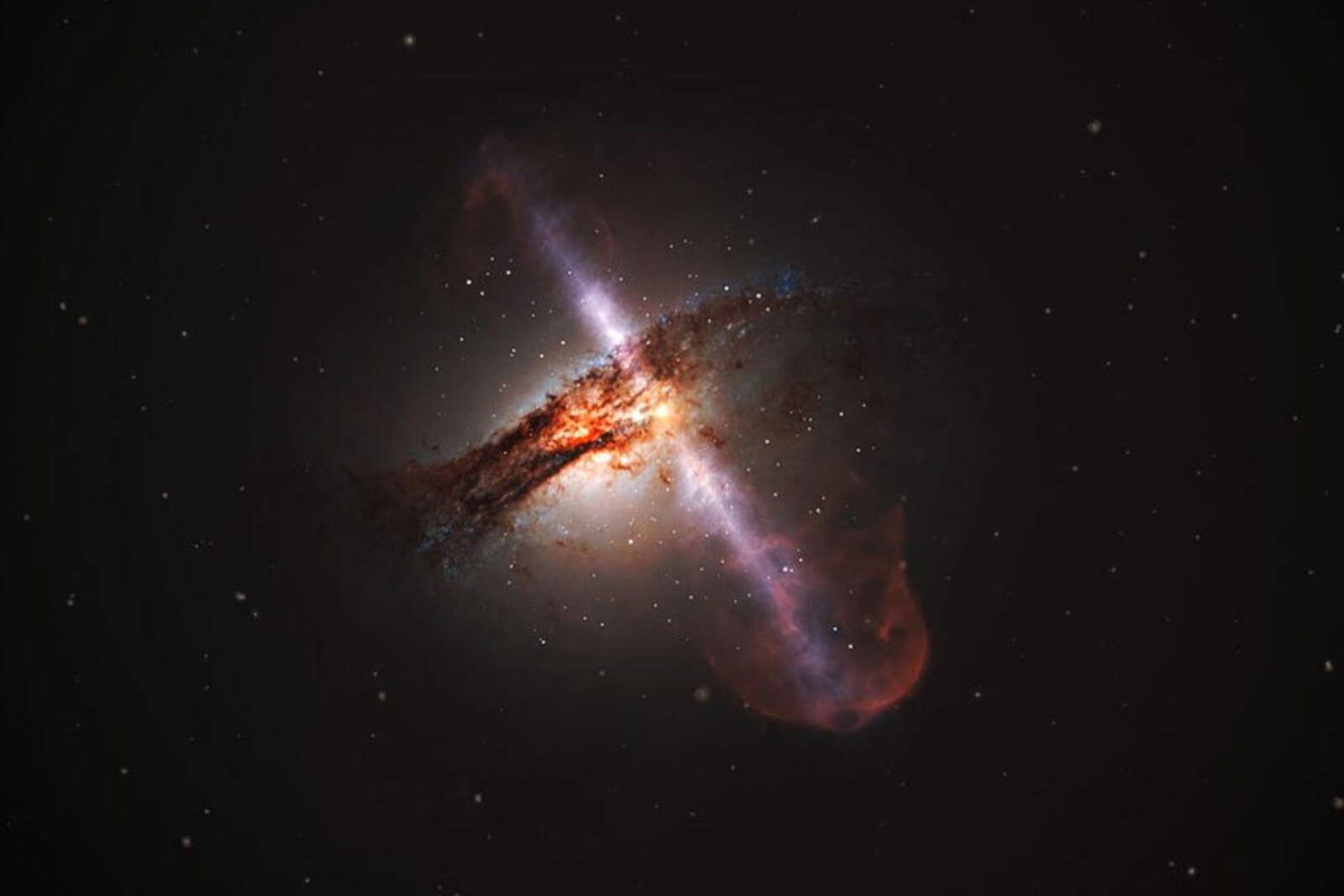
Cuando un agujero negro entra en actividad, comienza a devorar gas y polvo
Within the studied range, their Schwarzschild radius is so tiny that it is smaller than a human cell.
The key to the damage
A microscopic black hole would travel at more than 200 km/s (124 miles/s), far exceeding the speed of sound in bodily fluids. That passage would generate an internal shock wave very similar to the impact of a projectile, which would be the main cause of the damage.
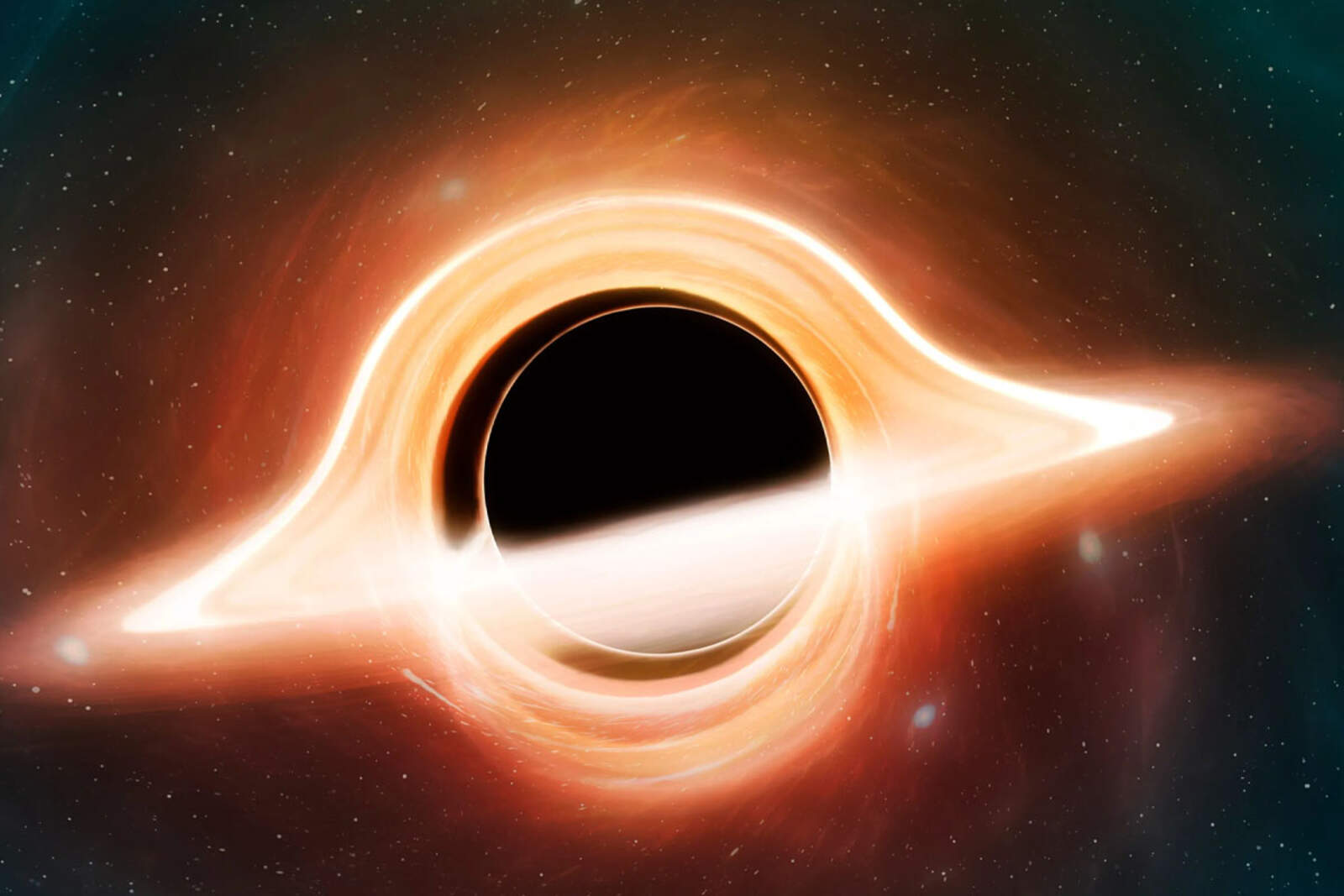
Según la NASA, este “despertar” ocurrirá cuando la galaxia colisione con la Gran Nube de Magallanes
In contrast, the tidal forces (those that can stretch and tear) would be insignificant at these scales. For gravity to begin causing serious injuries, the minimum mass would have to exceed seven trillion tons. Only then would real risk appear.
The probability of an encounter: practically zero
Scherrer calculated that the chance of a primordial black hole passing through a human being is once every quintillion years. This is much more than the age of the Universe (13.8 billion years). In other words, it's never going to happen.
The work doesn't prove that these objects exist, but it does establish a physical framework for evaluating their impact on living tissue. Above all, it shows that even an unlikely question can generate new knowledge.