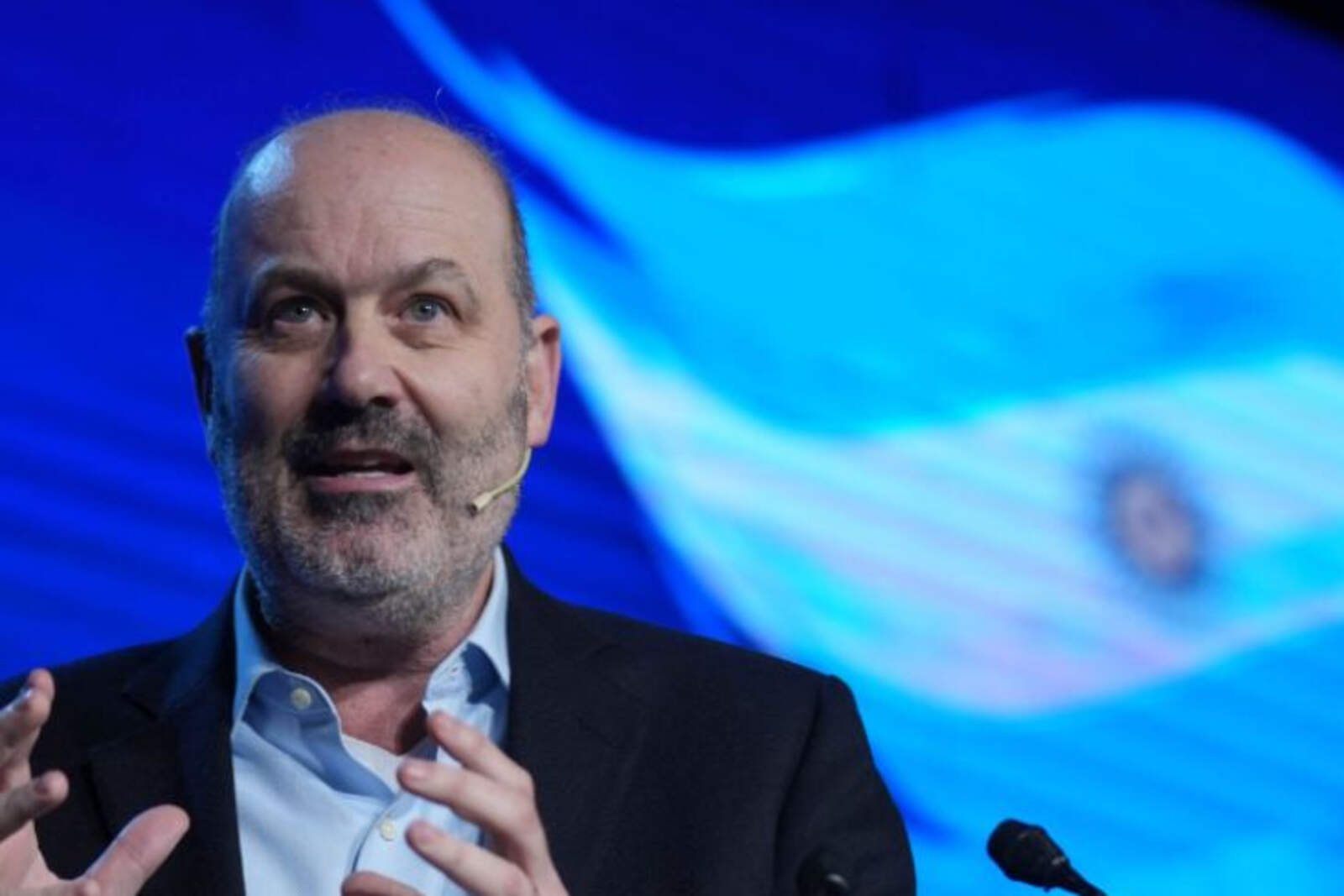

The Minister of Deregulation and State Transformation, Federico Sturzenegger, published an extensive message on the social network X in which he expressed his position on the recent awarding of a key tender linked to the energy development of Vaca Muerta.
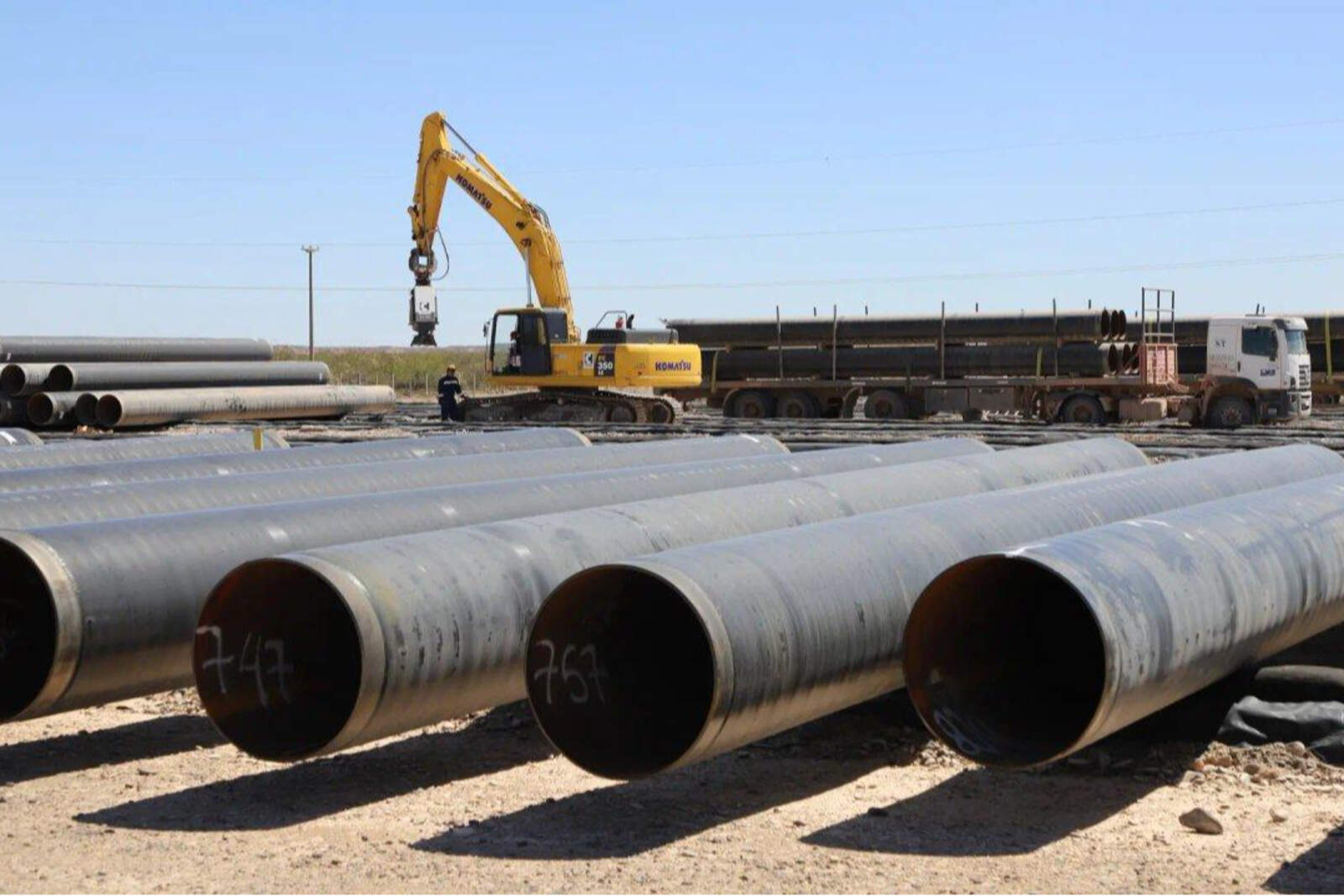
The bidding process resulted in the selection of the Indian company Welspun for the supply of pipes intended for a gas pipeline of almost 500 kilometers that will connect Vaca Muerta with the province of Río Negro. The project is part of a megaproject aimed at the liquefaction of natural gas for its subsequent export by sea, an initiative considered strategic within the objective of positioning Argentina as an exporter of Liquefied Natural Gas (LNG).
The decision left Techint out of the competition, the local steel group led by Paolo Rocca, one of the main pipe manufacturers worldwide, which submitted a bid with prices approximately 40% higher.
In that context, Sturzenegger published a message titled: “TECHINT'S PIPES”, where he explained the reasons why he considered the award to be correct. At the beginning of his presentation, he stated: “I am sharing some reflections on this article, which discusses the awarding of pipes for an important gas pipeline from Vaca Muerta to an Indian firm. The news is that Grupo Techint, one of the most important pipe producers in the world, is being left aside”.
The minister explained that his intervention was due to the questions that arose regarding the criterion of prioritizing a foreign supplier over a domestic one. According to what he indicated, many of those criticisms were based on the idea that the contract should have been awarded to Techint because it involved local production.
However, Sturzenegger maintained that “a more detailed analysis reveals that there are arguments that suggest the opposite”. As a first point, he emphasized that the Argentine company would have offered pipes that were “40% more expensive,” and he stated that even under that situation some people defended awarding the contract to it, a logic that he linked to the national procurement scheme.
In this regard, he stated: “I believe that this is indefensible. More expensive pipes imply lower profitability for the project, lower investment, fewer jobs, fewer exports”.