The regulations establish different penalties according to social status and allow slavery
Compartir:
The Taliban regime in Afghanistan implemented a legal framework that introduces a formal division of society into four classes, establishing different types of punishments for the same crime according to the social status of the person involved. The provisions are part of a new criminal and judicial code that redefines how the justice system operates under its dictatorship.
According to the regulations, the highest class is made up of religious scholars, who are exempt from severe punishments. In cases of misconduct, a simple reprimand is considered sufficient, without the application of corporal punishment or prison sentences.
The second class is composed of the elites considered respected within the country's social structure, including tribal elders, military commanders, and influential figures. According to the text, members of this group can be summoned and receive warnings, but they won't face imprisonment or physical punishments for the same crimes.
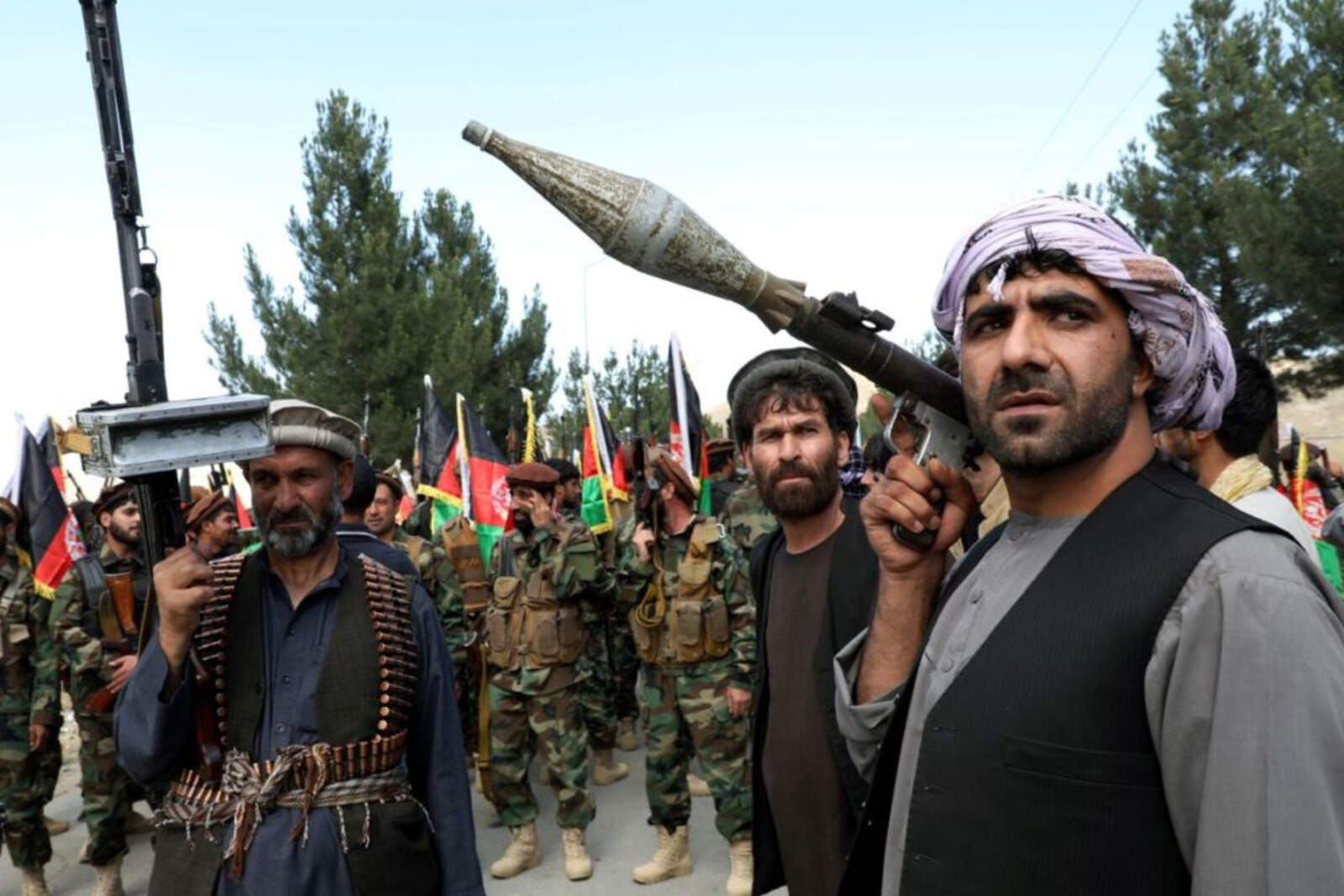
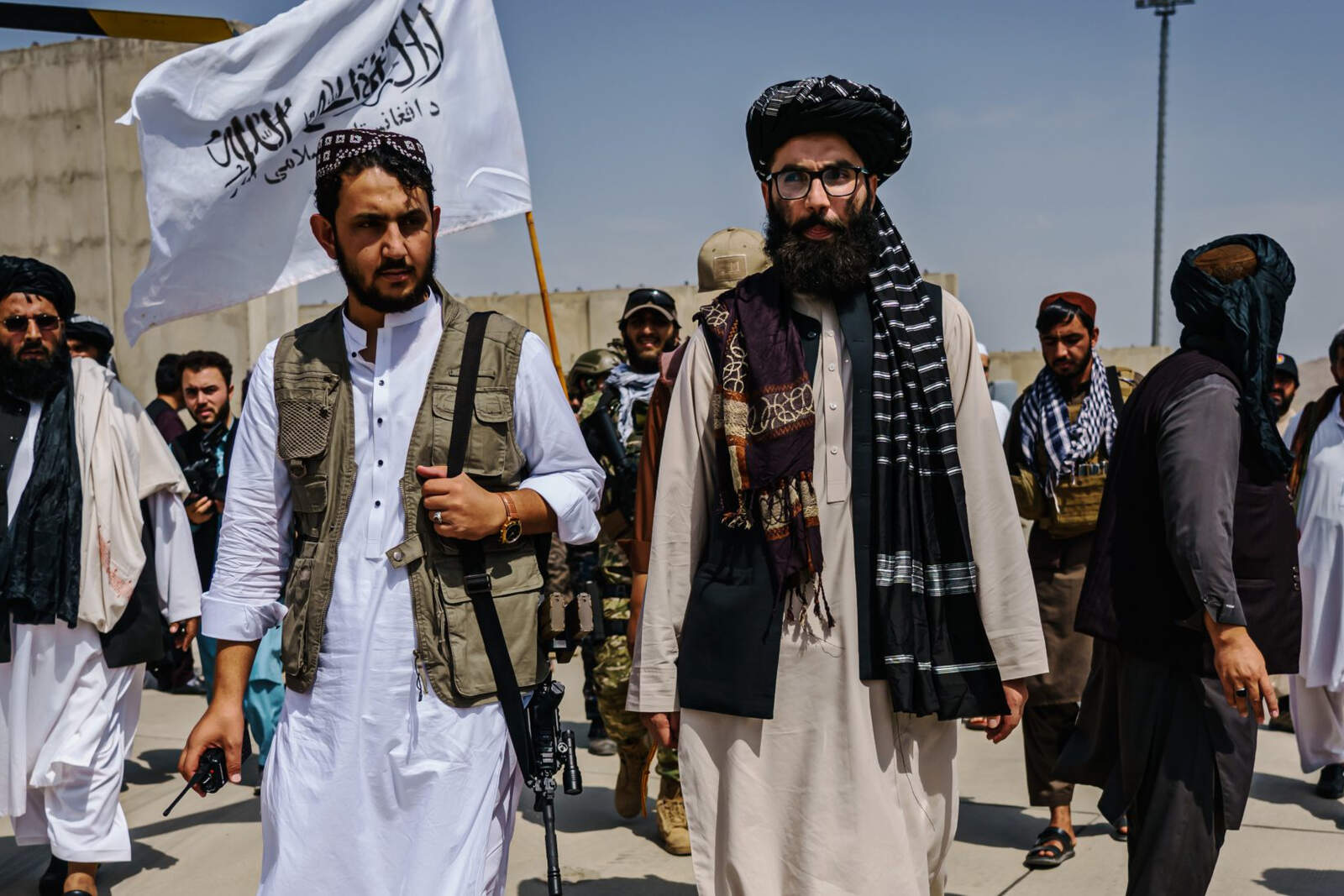
Talibanes.
The third category corresponds to the middle class, for which the new system provides for the possibility of prison sentences. At the lowest level are ordinary citizens, who can be punished with imprisonment, flogging, and other severe sanctions for offenses that, at higher levels, receive considerably different treatment.
The new criminal code also establishes specific and restrictive limits regarding the use of physical violence. Article 30 prohibits only those assaults that result in "bone fractures" or "tears in the skin." However, the text doesn't explicitly prohibit other forms of physical, psychological, or sexual violence against children.
In this context, Article 48 authorizes parental punishment. The provision states that a father can punish his child of even 10 years for behaviors such as neglecting prayers, without clearly establishing restrictions on the type of sanction allowed.
Another central feature of the new legal framework is the explicit recognition of slavery. The Taliban criminal code repeatedly uses the term "slave" and, in particular, Articles 15 and 4 make direct reference to slavery and the rights associated with that condition.
One of the provisions states: "For any crime for which no fixed 'hudud' punishment is prescribed, a discretionary punishment will be imposed, whether the offender is free or a slave." This way, the legal text formally incorporates the distinction between free and enslaved persons within the judicial system.
According to the code that governs how Taliban courts operate, the imposition of the death penalty is also authorized against individuals defined as "rebels." The document establishes that the harm caused by a "rebel" is considered to be of a public nature and that it can't be remedied without resorting to execution.
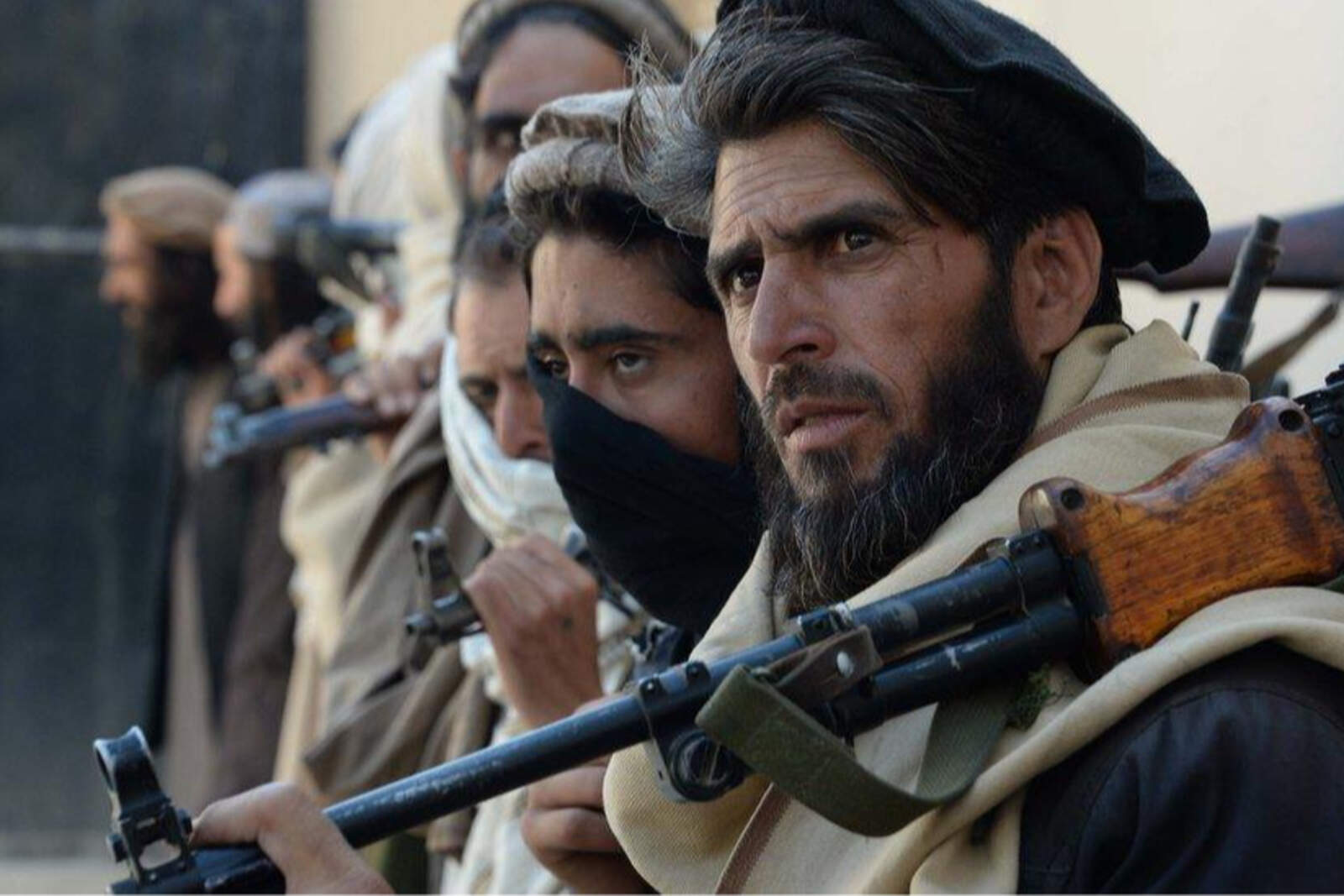
Talibanes.
This provision grants judicial bodies the power to sentence opponents and critics of the regime to death. In parallel, Article 4, Clause 6, expands the scope of punishment by allowing the direct intervention of citizens.
The text states: "Any Muslim who sees a person committing a sin has the right to punish that person." This rule authorizes personal punishment without the need for judicial mediation, as long as the act is considered a "sin" under the criteria established by the Taliban system.
The code also imposes obligations of surveillance and reporting within society. Another provision states: "Whoever witnesses or has knowledge of subversive meetings of opponents of the system and doesn't inform the relevant authorities will be considered a criminal and will be sentenced to two years in prison."
According to this article, all citizens are required to report the activities of Taliban opponents to the authorities. The omission of such a report is classified as a crime and carries criminal penalties.