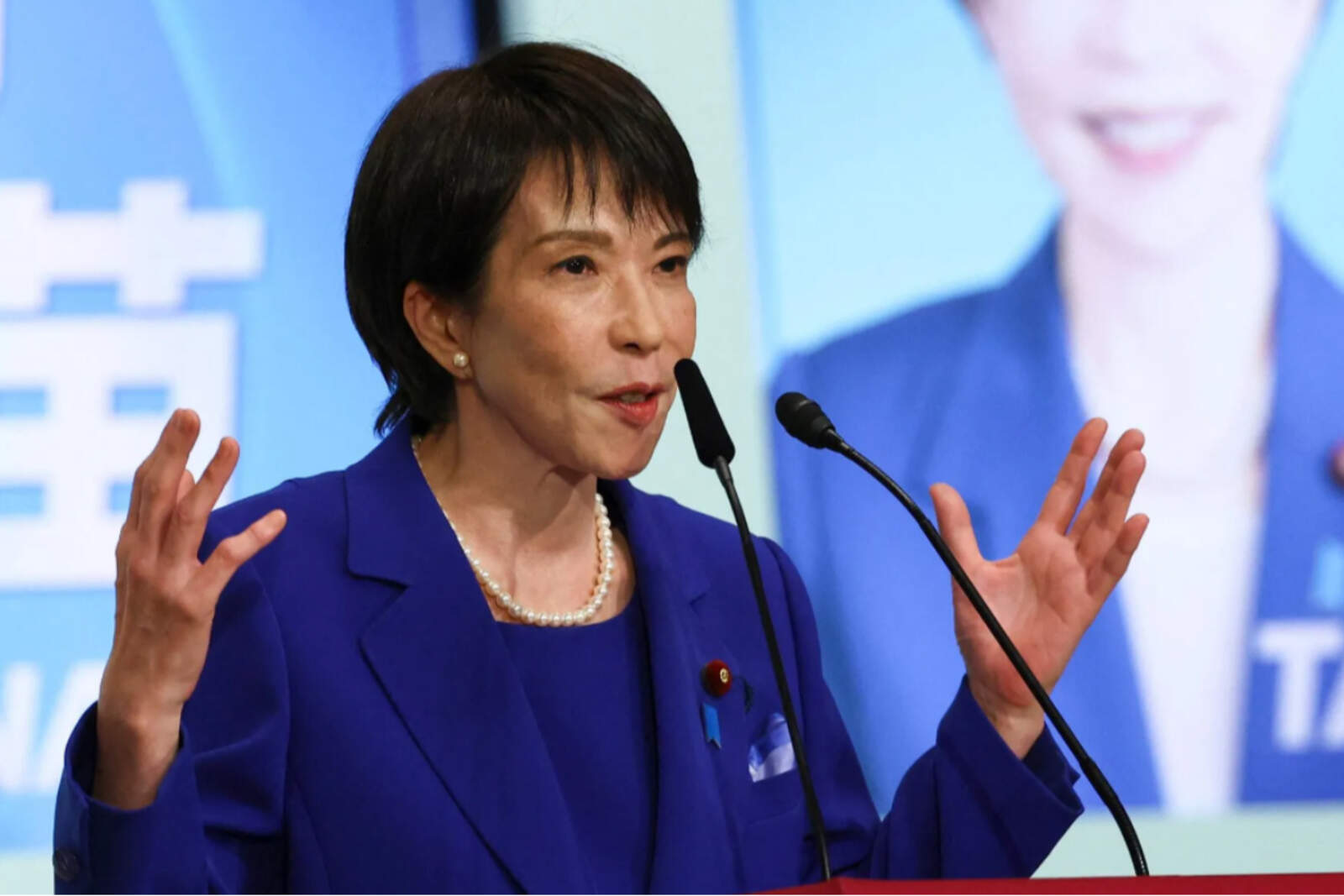
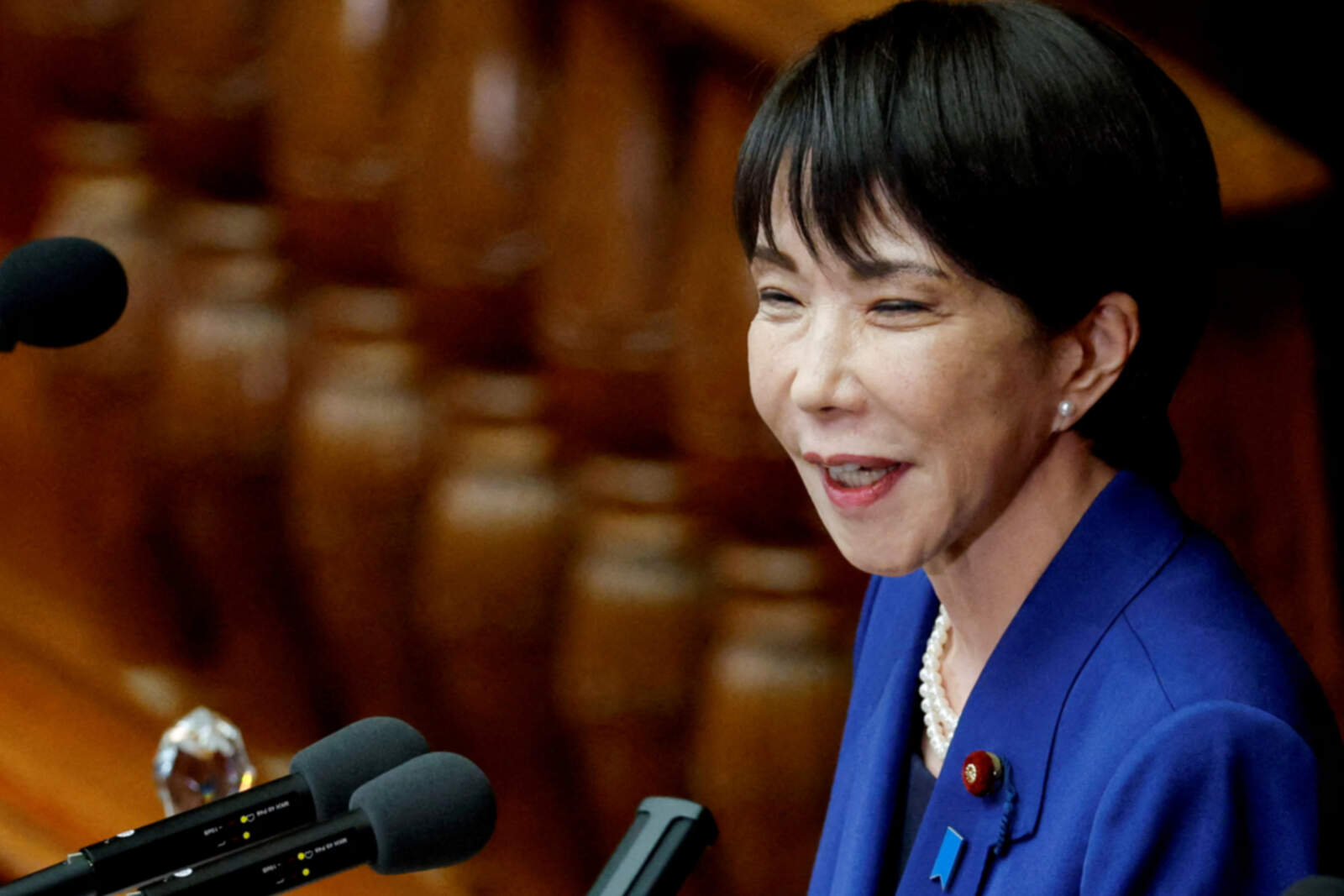
The relationship between China and Japan is going through its most delicate moment in years, after Beijing replied with economic threats to the statements made by Japanese Prime Minister Sanae Takaichi regarding a possible conflict in Taiwan. The head of government had stated that any use of force by China could constitute a "situation that threatens Japan's survival", enabling potential support for allied countries.
The Chinese regime's response was immediate: an account linked to the state broadcaster warned that Beijing "has made full preparations for substantive retaliation", including possible sanctions, trade restrictions, and suspension of diplomatic and military ties.
Diplomatic escalation and military warnings
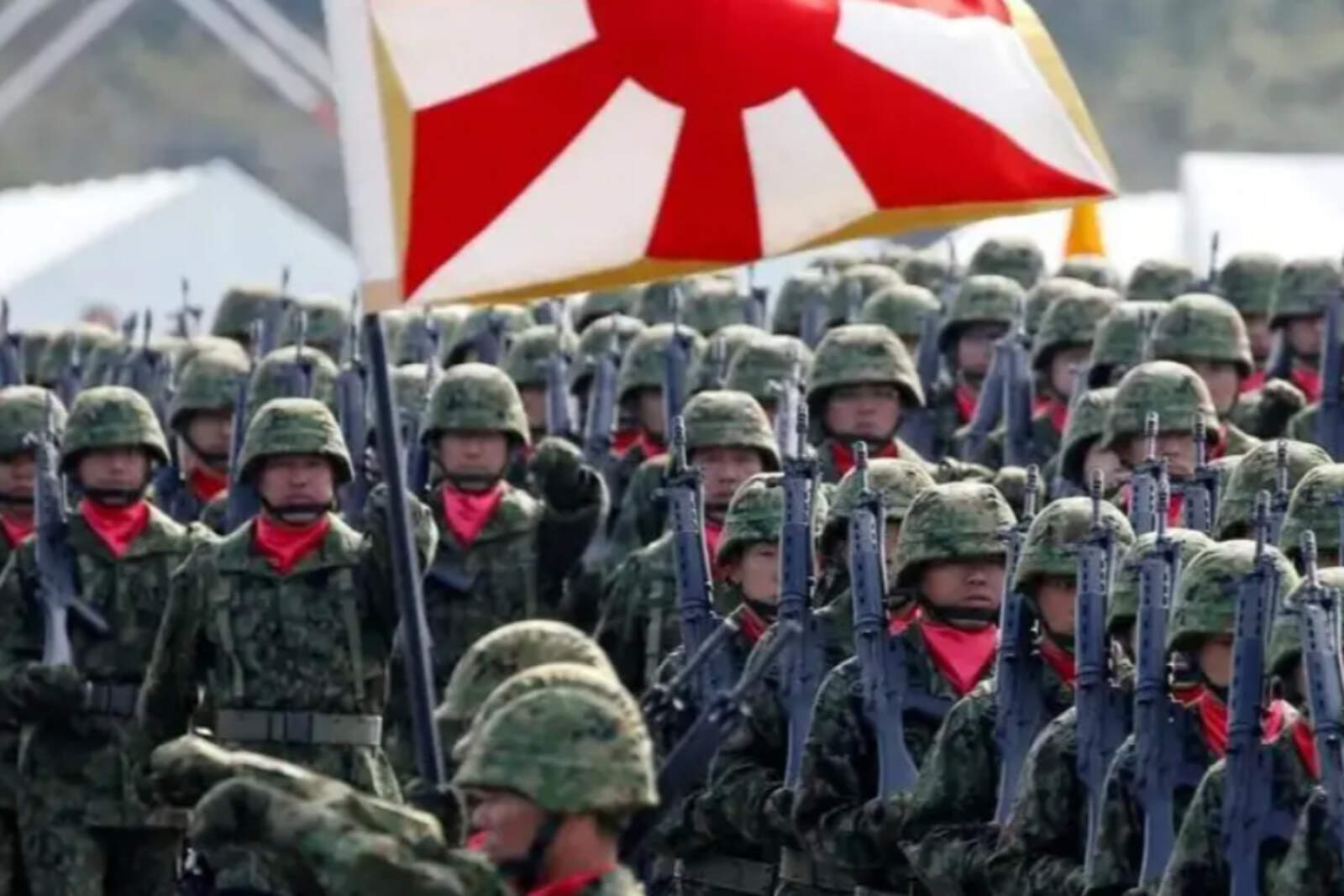
Within hours, the People's Liberation Army Daily reinforced the threat through an academic analysis that argued Japan "would run the risk of becoming a battlefield" if its Self-Defense Forces intervene in the Taiwan Strait.
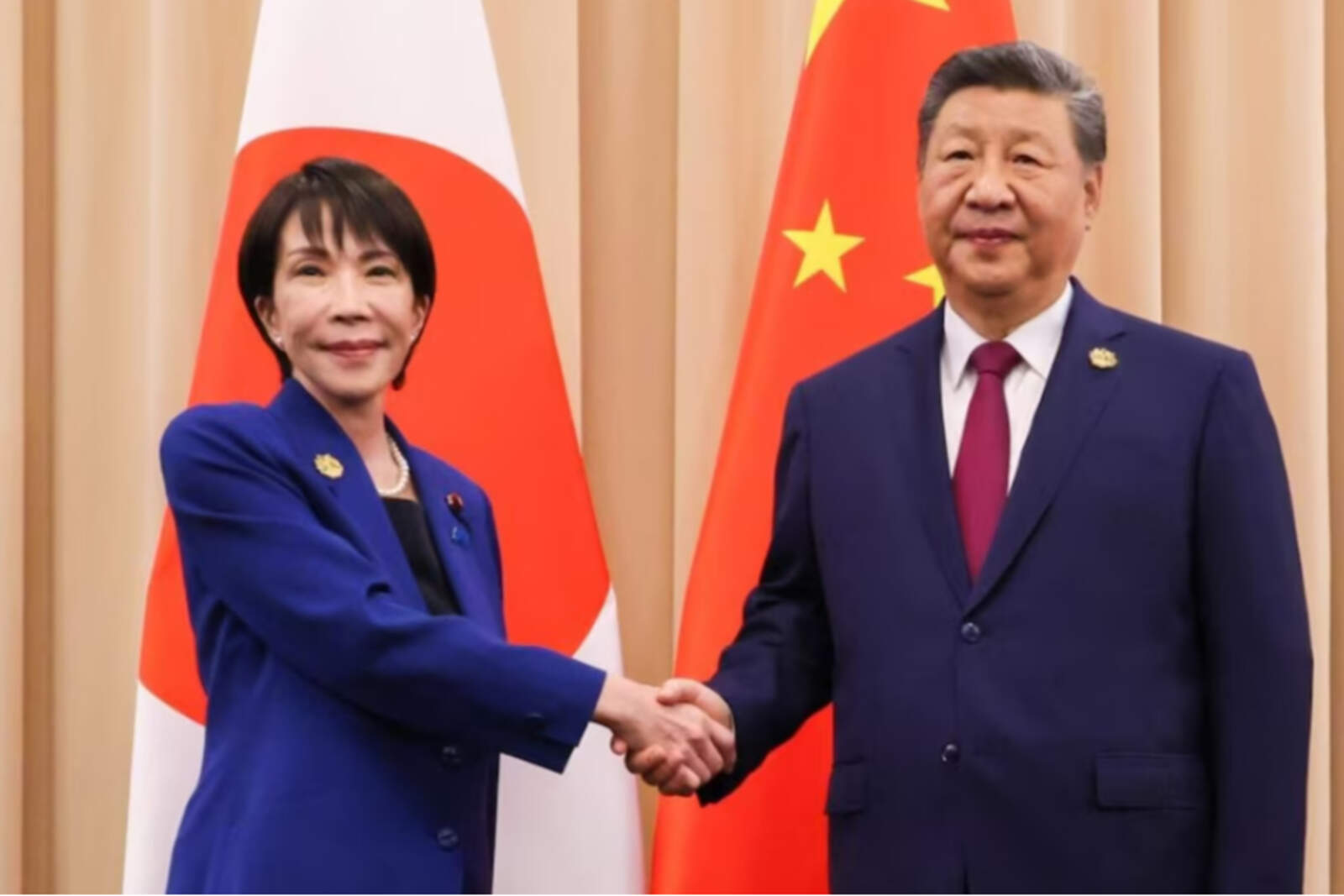
Tensions have risen just weeks after Takaichi met with Xi Jinping and both agreed to improve bilateral relations.Tensión en aumento: China amenazó a Japón con sanciones económicas por su postura sobre Taiwán
Immediate economic impact: tourism and companies on alert
China issued travel warnings for its citizens, which immediately affected Japanese companies linked to tourism. Shiseido Co. fell 9% on the Tokyo Stock Exchange, while Hong Kong issued a similar warning for its own travelers.
The risk is significant: Chinese tourists account for nearly a quarter of the annual total received by Japan.
A report by Nomura Research Institute estimated that a drop similar to that of 2012 could cost Japan up to USD 14.2 billion, equivalent to 0.36 points of GDP.
Japanese companies facing a possible repeat of the 2012 boycott
Chinese pressure recalls the trade boycott that followed the dispute over the Senkaku Islands in 2012, when Japanese exports fell by more than 10% in just three months.
Yuyuantantian's comment emphasized Japan's dependence on Chinese industrial supplies, a sensitive point for sectors such as electronics, automotive, and the technology industry.
Tensión en aumento: China amenazó a Japón con sanciones económicas por su postura sobre Taiwán
Warnings from Beijing and global concern
International analysts point out that Beijing seeks to set boundaries from the beginning of Takaichi's term, send a deterrent message to other countries, and discourage a more active stance by Tokyo in defense of Taiwan.
Jennifer Welch, from Bloomberg Economics, indicated that Japan is "a relatively easy target" for economic pressure, especially in such a sensitive area as tourism.
Tokyo attempts to defuse the crisis
The Japanese government sent a senior diplomat to China in an attempt to reduce tensions. However, Beijing keeps its firm stance and describes Takaichi's statements as a direct threat to its policy on Taiwan.
The upcoming G-20 meeting could become a key moment, although a possible face-to-face meeting between the two governments has not been confirmed.
Military repercussions in the East China Sea
Over the weekend, four Chinese Coast Guard vessels entered disputed waters under Japanese control, further raising the level of tension.
China has already demonstrated in the past its willingness to use economic retaliation in parallel with maritime actions, as occurred in 2017 with South Korea after the deployment of the THAAD system.
Taiwan denounces an attempt at intimidation by Beijing
Taiwanese President Lai Ching-te accused China of destabilizing the Indo-Pacific and called for international attention to the increased pressure on Japan.
The United States, meanwhile, keeps its traditional caution and has not yet issued an official position.
Tensión en aumento: China amenazó a Japón con sanciones económicas por su postura sobre Taiwán
Divided public opinion and risks for Takaichi's new administration
Although Takaichi keeps high approval ratings, a Kyodo News poll shows that Japanese society is divided: 48.8% support the possibility of exercising collective self-defense to protect Taiwan, while 44.2% are opposed.
An economic or military escalation could complicate the government's plans to tackle inflation and revive the economy.
A crisis that redefines the regional map
Geographic proximity to Taiwan, historical tensions between Beijing and Tokyo, and the island's growing strategic role—a global key in semiconductors—make this dispute a critical point for Asian stability.With China moving quickly to set boundaries and Japan trying to maintain its stance without becoming isolated, the scenario remains open and fraught with risks.