A new partial report from the Femicide Observatory of the National Ombudsman's Office (OFDPN) confirmed that, thanks to the Government of Javier Milei, the number of women murdered in 2025 fell to its lowest figure since the agency began collecting data.
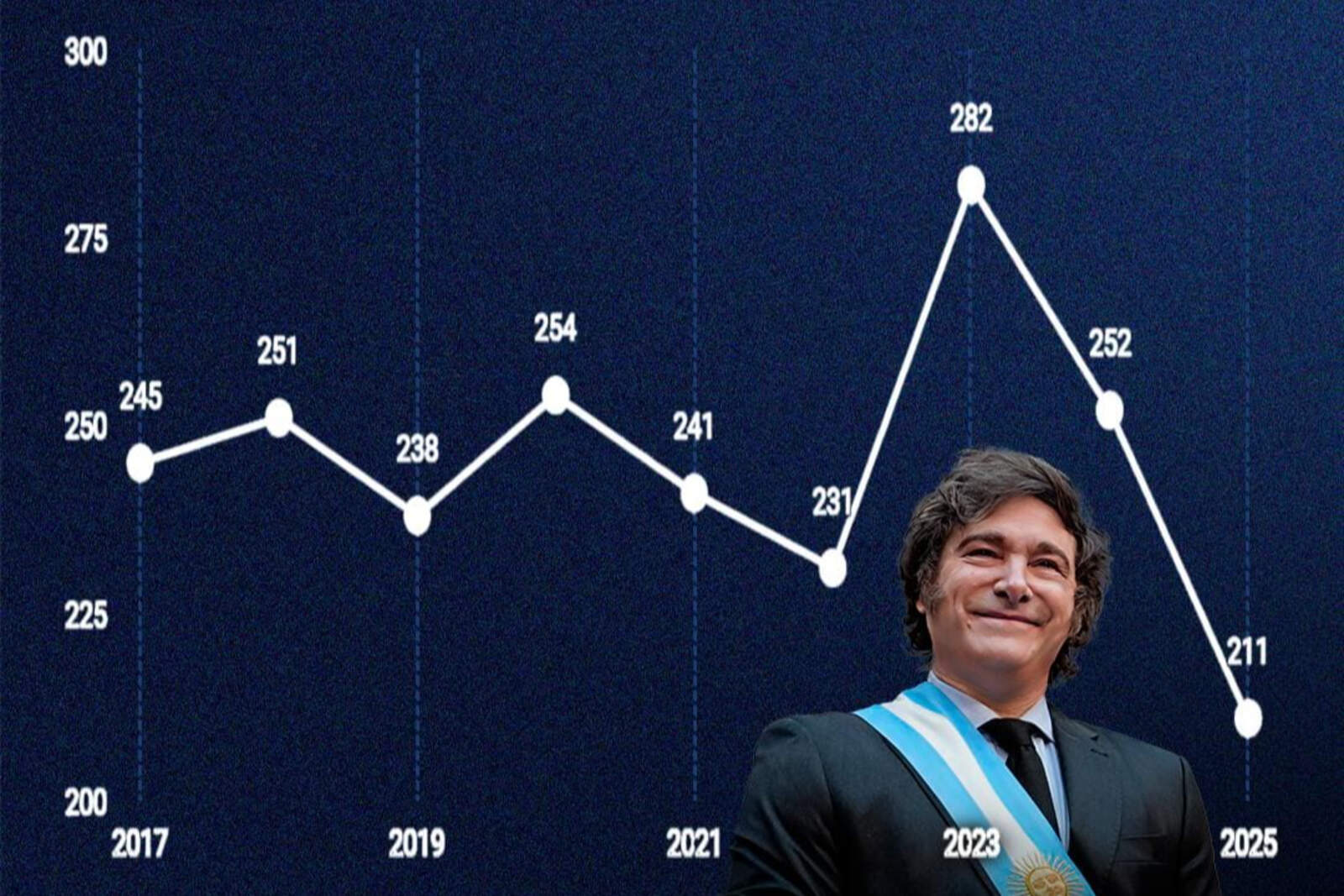
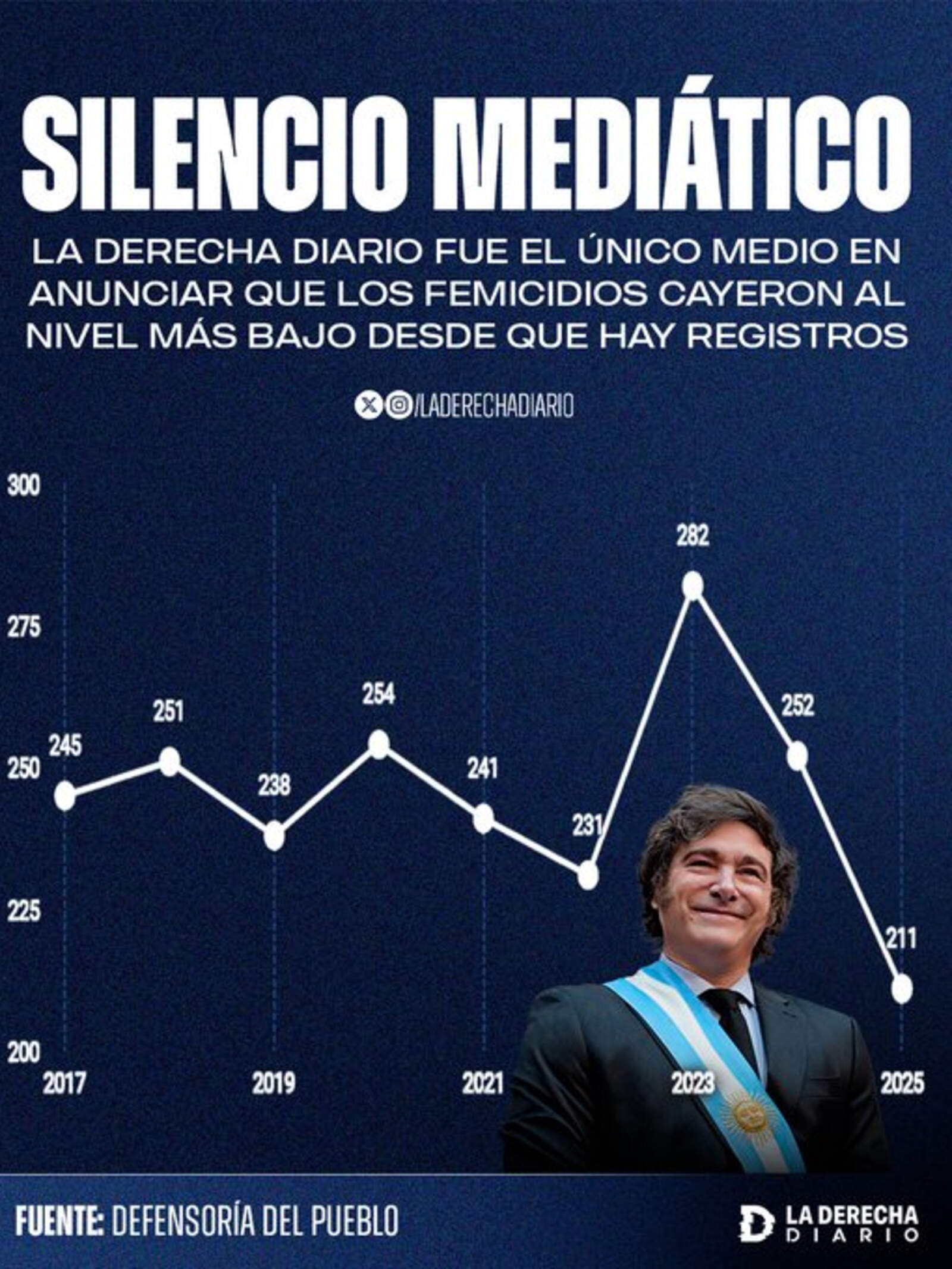
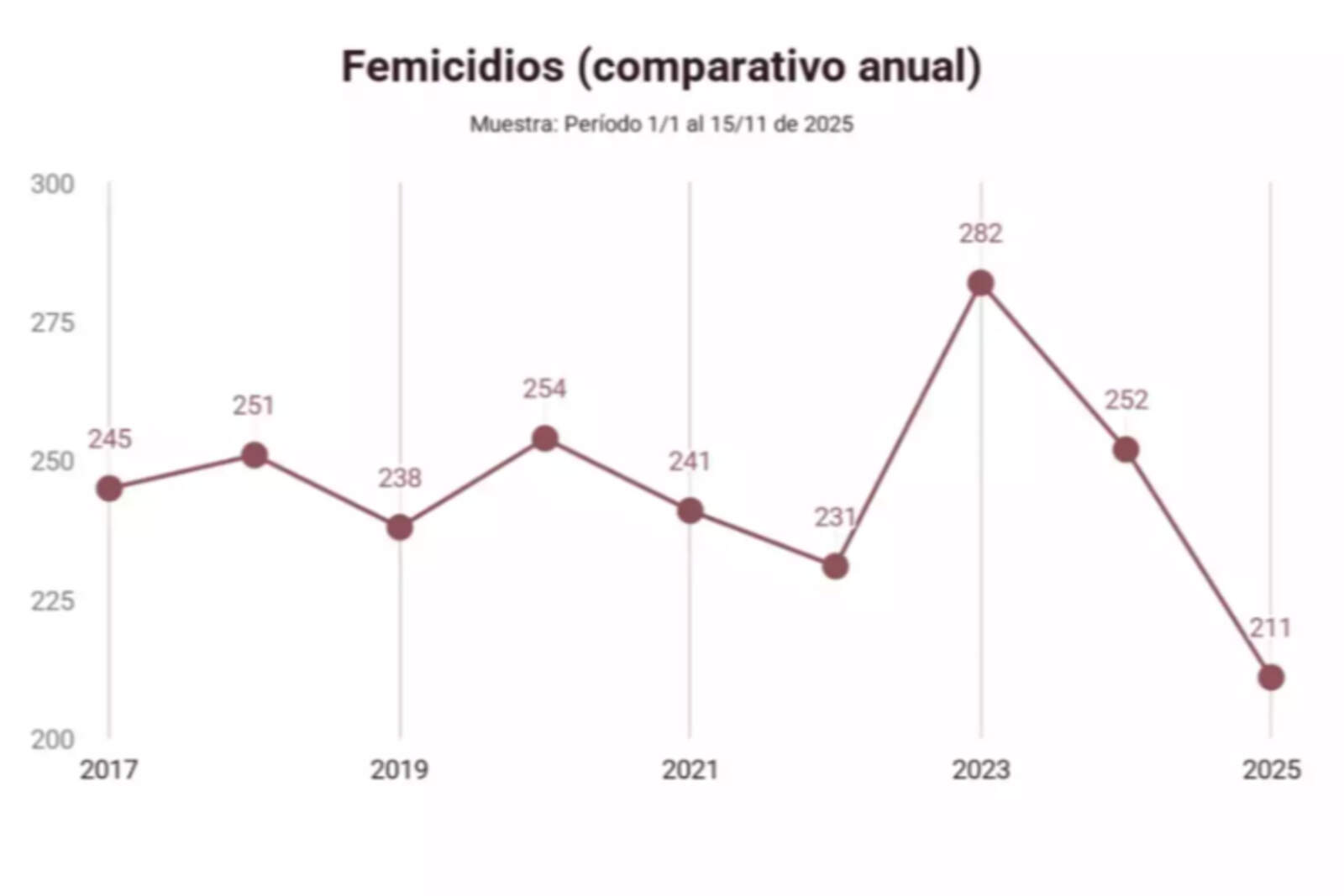
Between January 1 and November 15, 211 victims were recorded, representing a 25.2% reduction compared to the peak reached in 2023, the last year of the Kirchnerist and "feminist" government of Alberto Fernández and Cristina Kirchner, when 282 cases were registered.
Historical data from the OFDPN, which begins in 2017 with 245 murders, clearly show that the Kirchnerist administration ended with a record in 2023. However, after Javier Milei took office as president, the trend reversed: cases fell to 252 in 2024 and dropped sharply again in 2025, now standing at 211, the lowest level in the entire 2017–2025 series.
LDD fue el único medio en anunciar el desplome de femicidios.
This decline in violence comes after the paradigm shift driven by Milei's Government, which dismantled much of the gender bureaucracy apparatus and redirected efforts toward tough-on-crime policies, abandoning the discursive and propagandistic logic of the left that characterized previous years.
It is not surprising that feminist sectors, ultra Kirchnerists and those deeply opposed to the President, do not want to acknowledge these results while they continue to defend programs that never demonstrated real effectiveness, despite the millions in resources they absorbed, as was the case with the absurd "Ministry of Women, Genders and Diversity of the Nation", created during the last K government and eliminated by Milei.
The report also details the dynamics of the cases: 62% of the murders occurred inside the home, whether the victim's residence or a shared address, and in 85% there was a prior relationship between the perpetrator and the victim. Despite this, only 16.6% of the women had filed formal complaints.
Comparativo Anual de Femicidios.
The provinces with the highest absolute number of cases remain Buenos Aires and CABA (84), Santa Fe (25), and Misiones (13). However, when measuring the rate in relation to the female population, the most affected districts are Misiones, Neuquén, Santa Cruz, Chaco, and Jujuy.
The sustained decline in women's murders since Milei took office directly contradicts the narrative of Kirchnerist feminism, which for years justified its political apparatus by alleging a supposed "deepening of patriarchy" while the numbers worsened year after year.
At the same time, this decline is also occurring while Argentina reached in 2024 the lowest homicide rate in its history, with 3.8 per 100,000 inhabitants, which also places it as the lowest in South America, thanks to the successful security policies of Milei's Government.