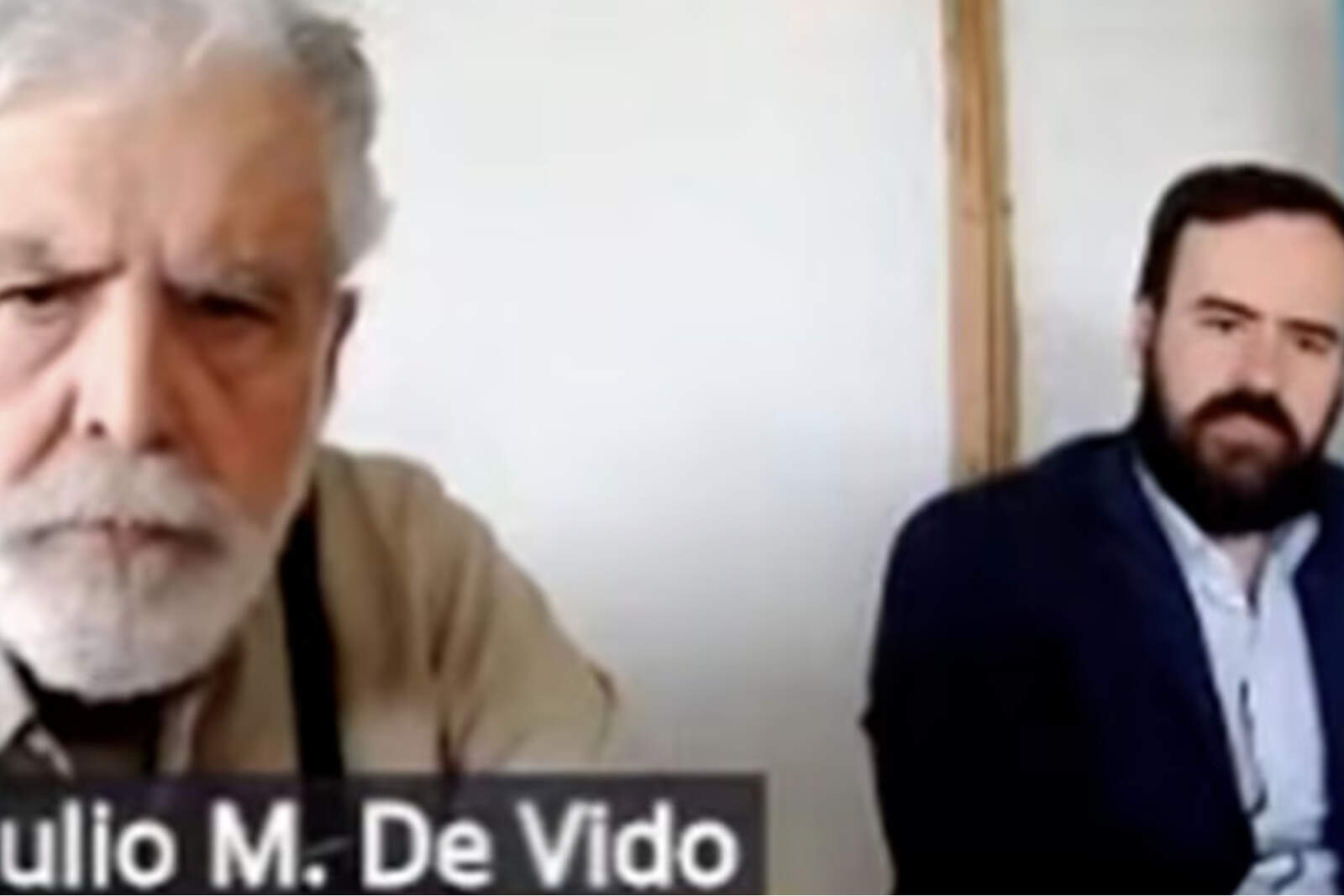
The trial over the bribery notebooks continues this Thursday in its seventh hearing before Federal Oral Court No. 7. This follows the attempt by Julio De Vido's defense to recuse judges Enrique Méndez Signori, Fernando Canedo and Germán Castelli.
The previous hearing was marked by a recess that was supposed to last ten minutes but ended up extending to almost five hours. The official broadcast from the Judiciary was left showing only a black screen.
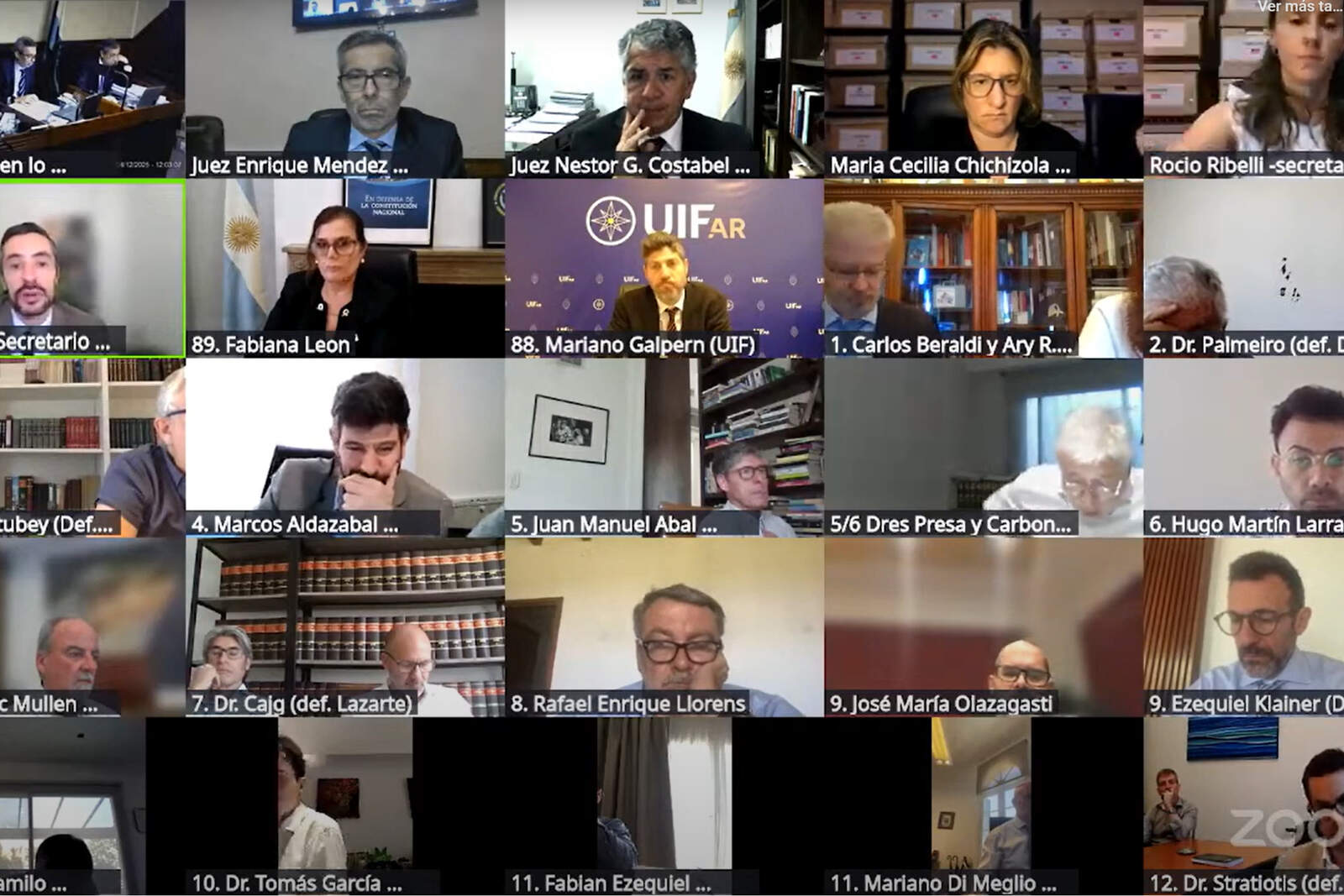
The Kirchnerist defense attorneys, Maximiliano Rusconi and Gabriel Palmeiro, accused the judges of alleged "partiality." This occurred after the publication of the grounds for De Vido's conviction in the Liquefied Gas case.
They spoke of "blatant violations," announced an appeal before the Federal Chamber, and even proposed calling an observer from the Public Bar Association. The court summarily rejected the motion and the trial resumed its normal course.
The prosecution accuses a "criminal association for enrichment"
Once the hearing resumed, the court proceeded with the reading of the second request to bring the case to trial submitted by prosecutor Carlos Stornelli in 2019. This is a 142-page document addressing a case parallel to the main one initiated by Oscar Centeno's notebooks. Roberto Baratta, his secretary Nelson Lazarte, and businessmen Hugo Dragonetti, Jorge Mauricio Balán and Alberto Tasselli are also involved.
The Court also reported several justified absences. Gerardo Luis Ferreyra, accused of 22 acts of bribery, is hospitalized after surgery. Néstor Otero, 87 years old, was also excused, having presented a certificate for acute gastroenteritis with dehydration.
The indictment, read by Secretary Ernesto Javier Ruiz, states that between 2003 and 2015 a "criminal association was formulated, structured, and led by those who held the highest positions in the Executive Branch".
According to Stornelli, Cristina Fernández de Kirchner, De Vido, Baratta, Centeno, and other defendants formed a structure aimed at enrichment through illicit agreements with businessmen.
The prosecutor describes two collection channels: on one hand, Baratta and Lazarte; on the other, the so-called "Camarita", with Ernesto Clarens, Carlos Wagner and Juan Manuel López. The money was delivered at the Kirchners' apartment in Recoleta or at the Quinta de Olivos, and then companies were favored through contracts and awards. The figures are based on Centeno's notebooks and his statement as a cooperating witness.