Caputo announced US$685 million in bids for the Comahue hydroelectric plants. Three dams already have winners
Compartir:
The privatization of the four Comahue hydroelectric plants reached its conclusion today. After weeks of technical analysis and the filtering of the initial 9 bids, the Government finally opened the envelopes with the proposals.
The key fact is that 685 million dollars were received for the concession of the 4 hydroelectric plants. This figure marks one of the largest private investment processes in the hydroelectric energy sector since the 1990s.
El gobierno recibió ofertas por más de USD$685 millones.
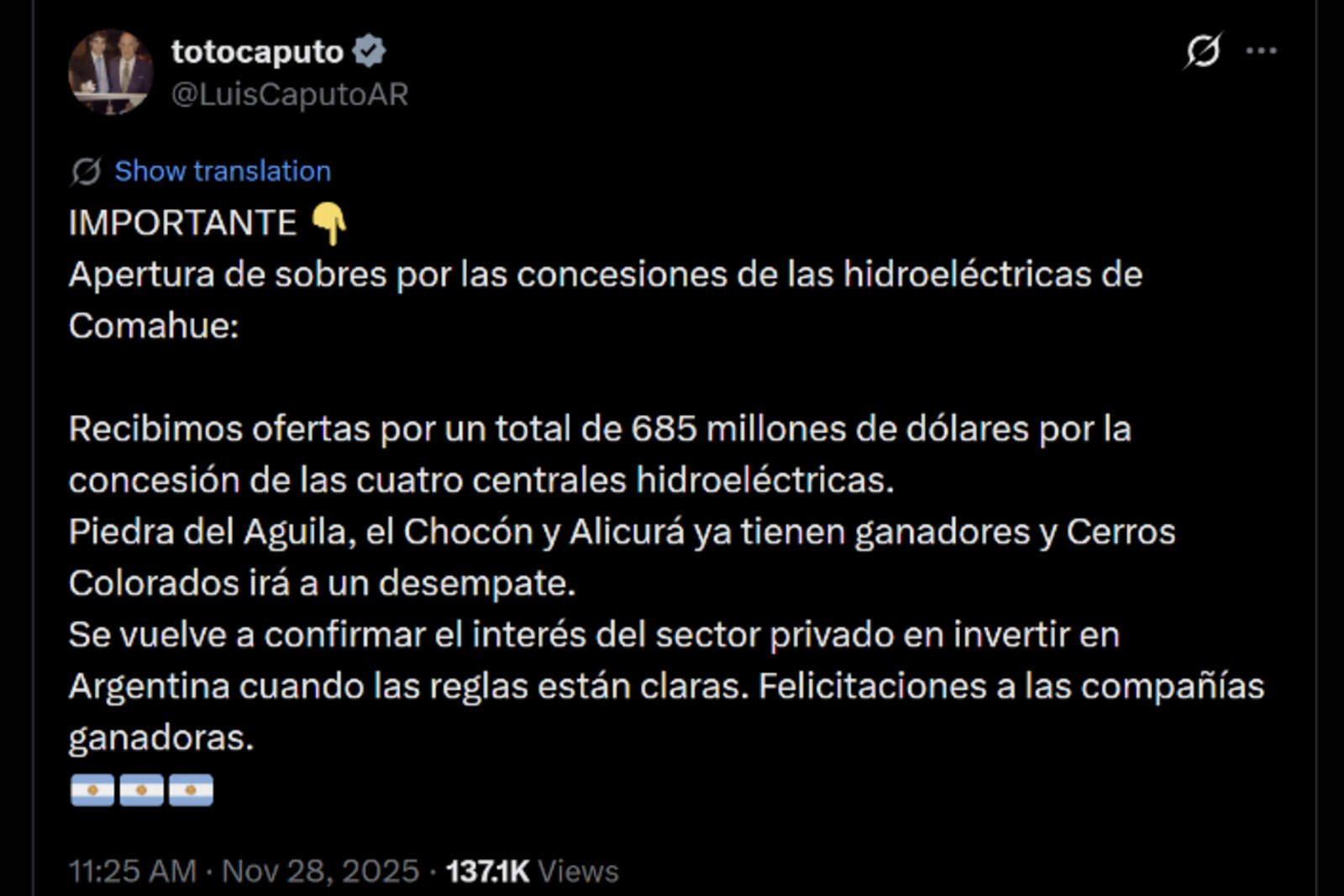
According to the official statement from the Minister of Economy, Luis “Toto” Caputo, there are already awardees for Alicurá, Piedra del Águila and El Chocón, while Cerros Colorados remains in a tiebreaker stage.
“We received bids totaling 685 million dollars for the concession of the four hydroelectric plants. Piedra del Águila, El Chocón, and Alicurá already have winners, and Cerros Colorados will go to a tiebreaker,” the Minister stated on his X account.
Luis Caputo concluded with an assessment of the political significance of the concessions: “The interest of the private sector in investing in Argentina when the rules are clear is once again confirmed. Congratulations to the winning companies.”
Publicación de Luis Caputo en su cuenta de X
The result marks a new milestone for the energy sector reorganization program. Furthermore, the progressive process of the State's withdrawal from operational activities that can be managed more efficiently by the private sector is confirmed.
A competitive process with new players
The opening of envelopes consolidated a process that began with 9 business groups interested in operating the plants for 30 years. Among those groups were the current concessionaires—AES, Central Puerto, Enel and MSU Green Energy—and new major players such as Pampa Energía, Central Costanera and the consortium Futaleufú-Genneia.
Groups without experience in large hydroelectric plants also participated, such as Edison Inversiones and the fund Inverlat, owner of Havanna.
After the analysis of the first envelope, the Evaluation Committee had recommended the prequalification of eight groups and had dismissed one bid for not meeting the conditions required in the specifications. With that filtering, the economic stage was left in the hands of a competitive group with experience, financial strength, and technical capacity.
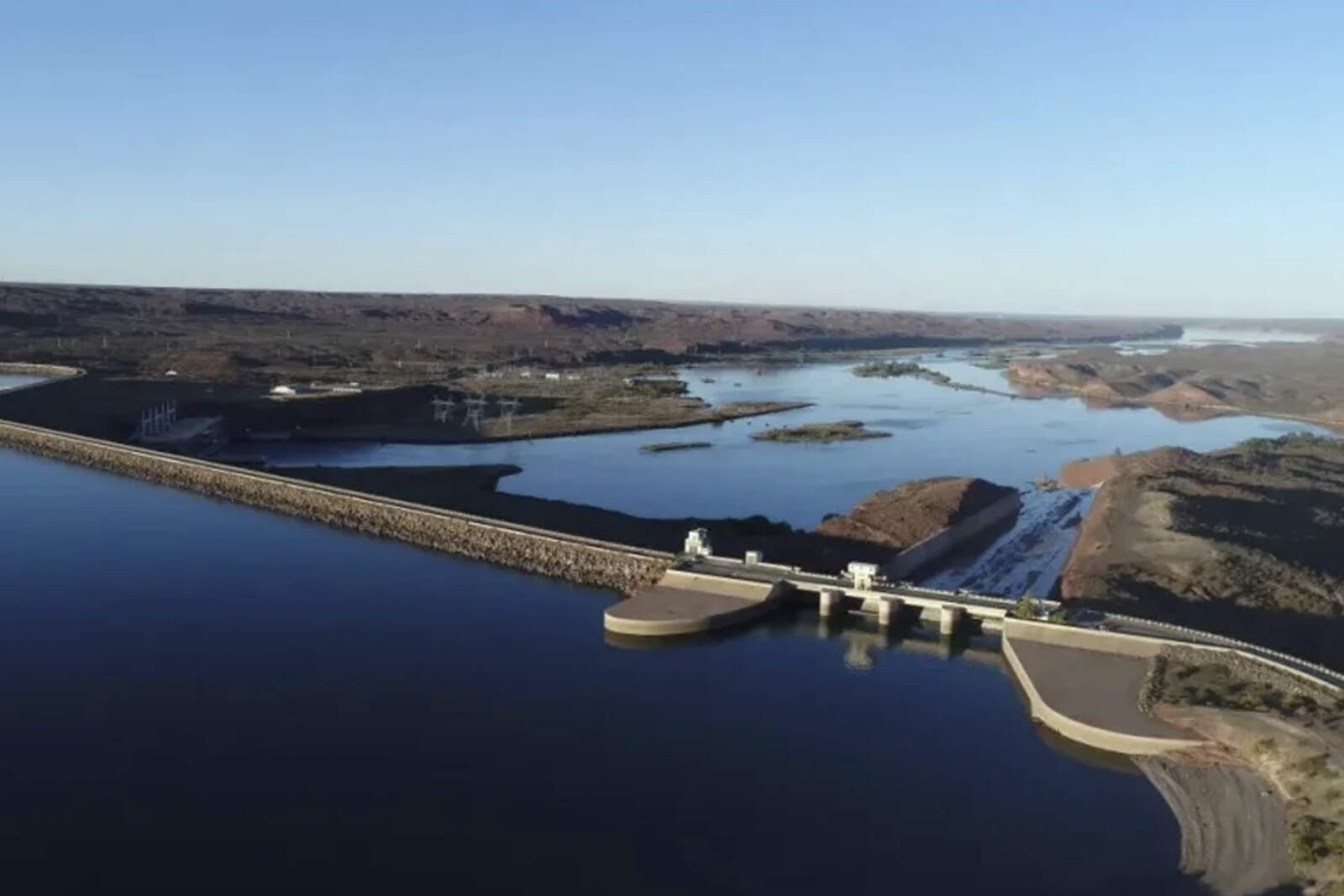
The 4 dams at stake—Alicurá, Piedra del Águila, El Chocón-Arroyito, and Cerros Colorados—together represent 10% of the country's electric power. Together, they constitute one of the most significant assets of the Argentine energy system.
Represas hidroeléctricas del Comahue
Their privatization was part of the package of structural reforms promoted by the Government to attract investment, reduce the State's role, and improve the operational efficiency of the energy sector.
Fiscal impact and benefits for the provinces
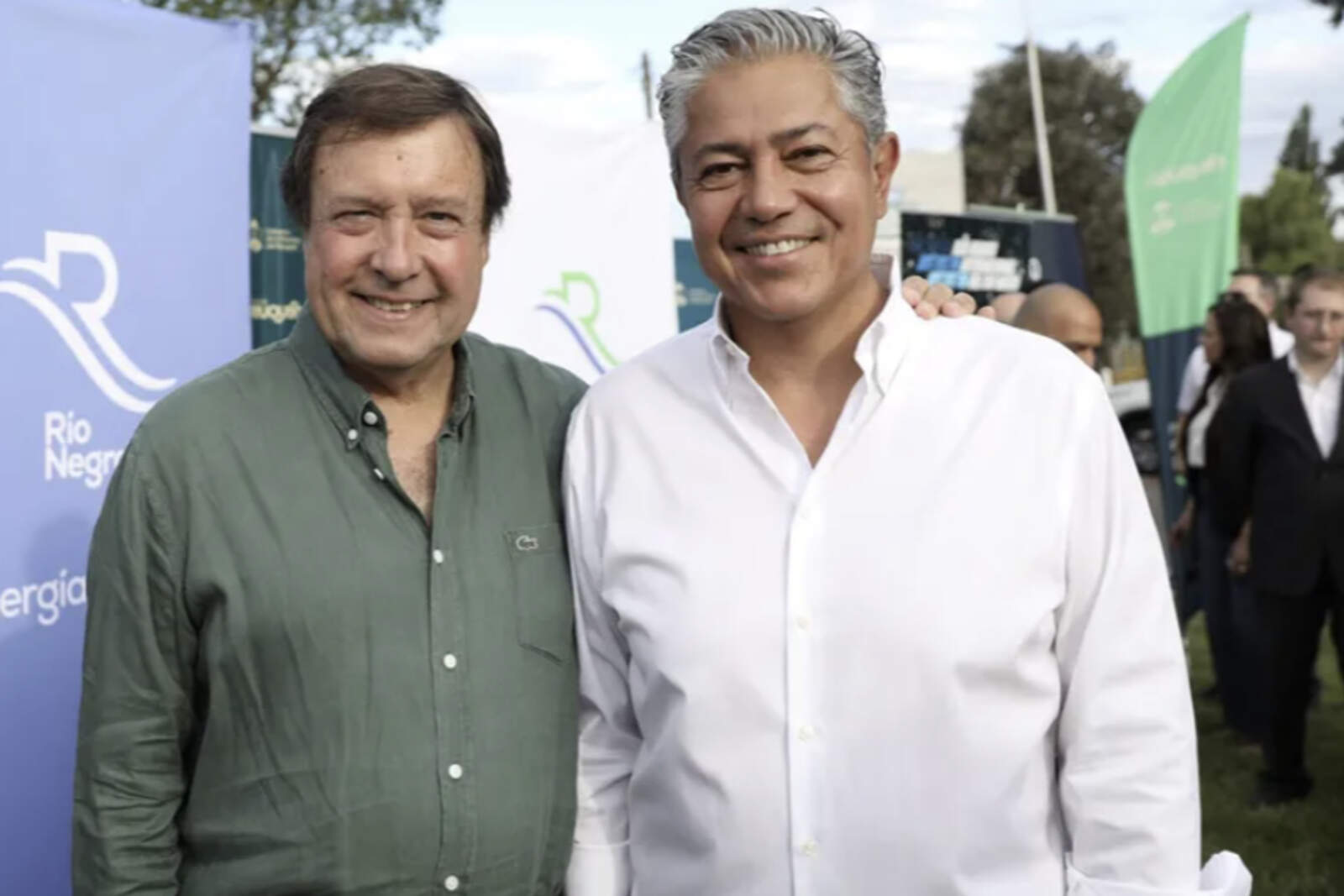
In addition to the direct revenue—which ranges between US$500 and US$700 million—, the provinces of Neuquén and Río Negro will retain the collection of 6% in royalties and will add a 1% fee for the use of the water resource. This was a key condition that governors Rolando Figueroa and Alberto Weretilneck demanded in order to support the process without litigation.
Alberto Weretilneck y Rolando Figueroa
The macroeconomic context also played a favorable role. The extension requested by the private sector, which was granted before the elections, allowed the bids to be submitted in a more favorable financial climate. Today, rates are lower and there are better capitalization conditions for the interested groups.
A sign of confidence in the economic direction
The bidding for the hydroelectric plants became a litmus test to measure investor appetite after the Government's economic shift. The outcome was clear: real competition, multiple major bidders, and an amount raised that confirms the private sector sees opportunities where there was previously uncertainty.
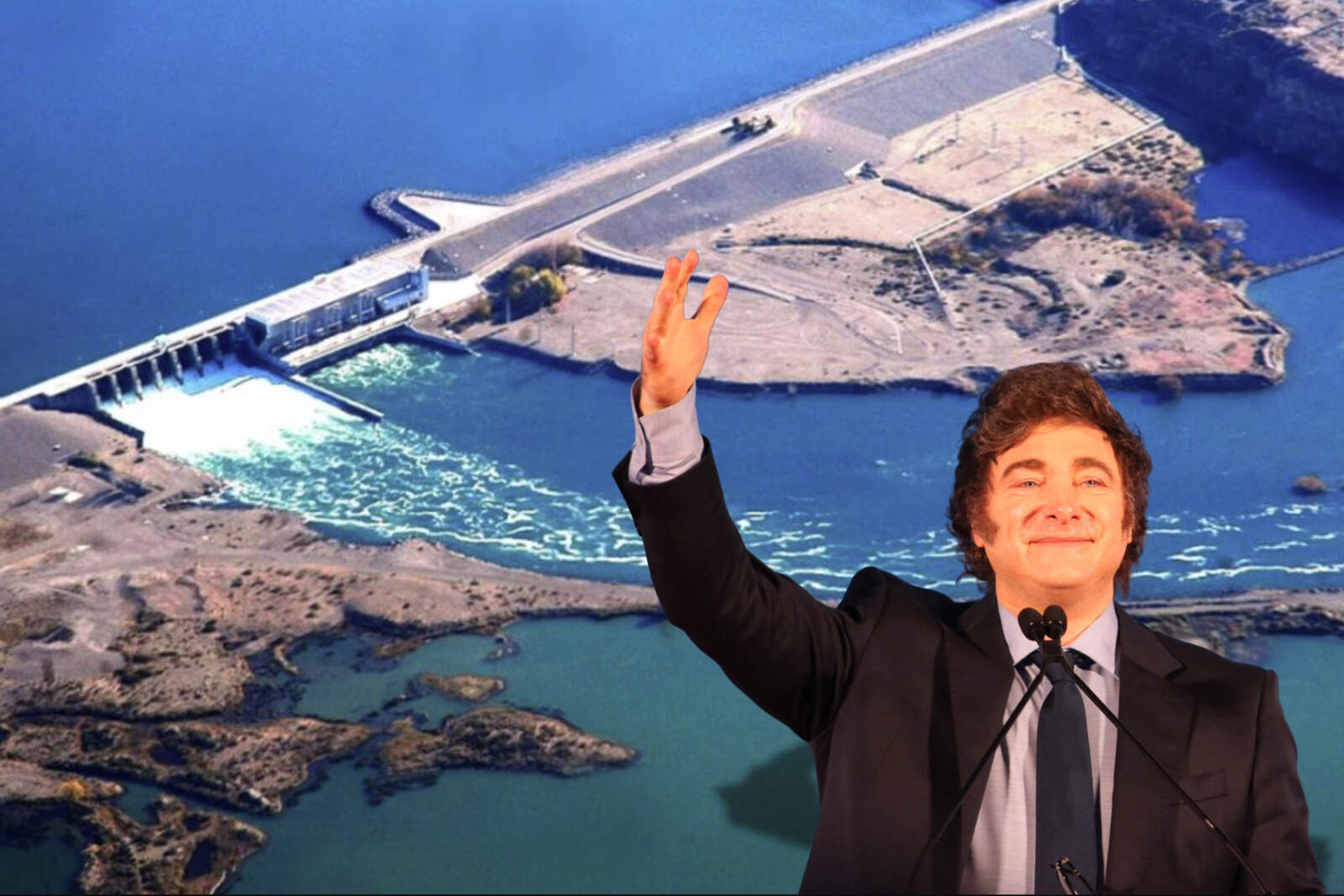
For the Executive, the US$685 million represent more than just a figure. They are an explicit endorsement of the model of clear rules, economic openness, and privatization promoted by the Milei administration.