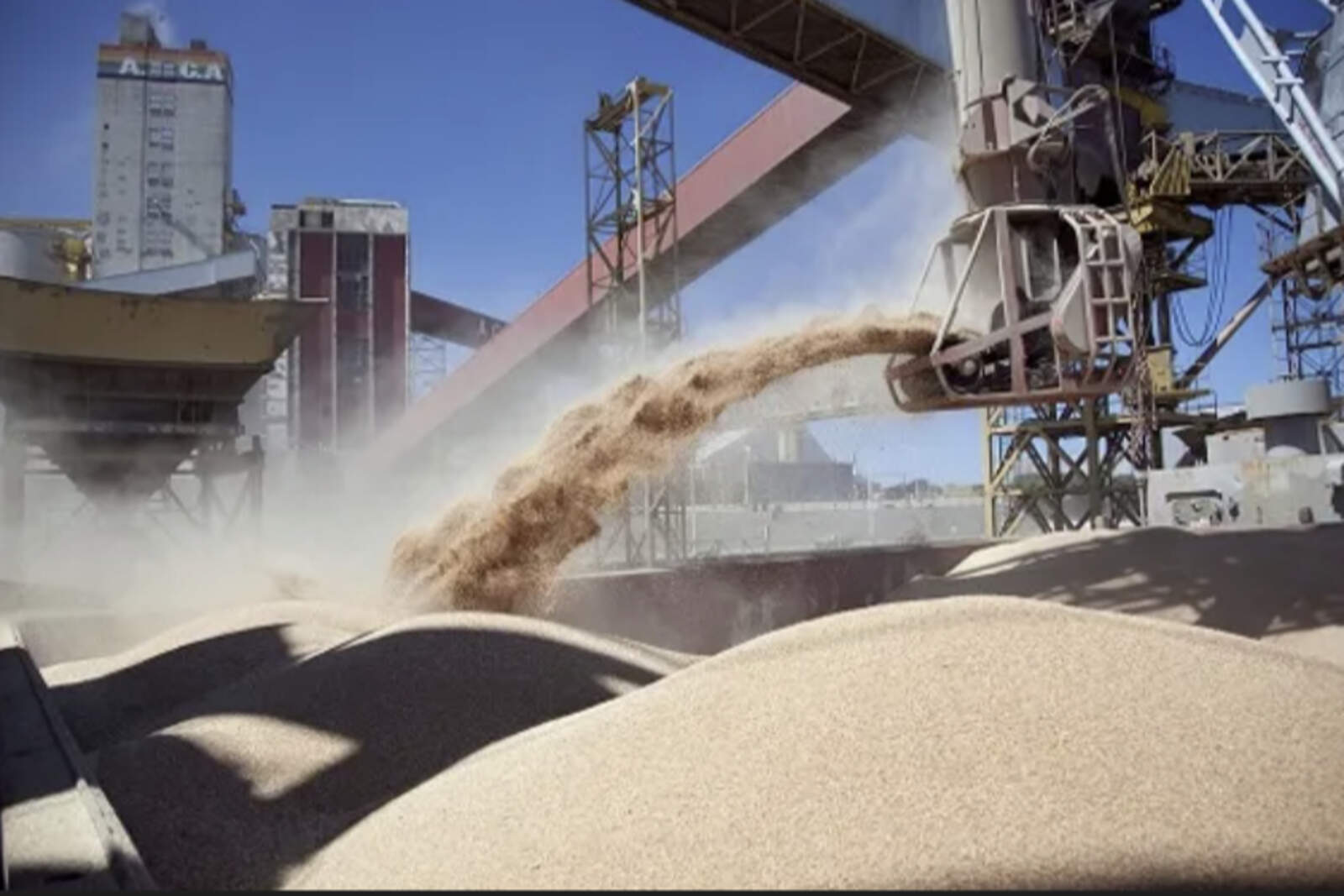
The government moved forward this Monday with a new reduction in export duties for the main grain chains. The measure was confirmed by the Minister of Economy, Luis Caputo, who stated that this is another step toward the goal of eliminating export taxes.
According to Caputo's post on X, the rate for soybeans will be reduced from 26% to 24%; soybean by-products will drop from 24.5% to 22.5%, and wheat and barley will decrease from 9.5% to 7.5%. Likewise, corn and sorghum will fall from 9.5% to 8.5%; and sunflower from 5.5% to 4.5%. The decision implies a permanent reduction in the tax burden on one of the sectors that brings in the most foreign currency to the Argentine economy.
Importantísima reducción de retenciones para el sector de los granos
A signal for the sector
In his official announcement, Caputo stated that "eliminating export taxes has always been a priority for President Javier Milei." In the same vein, he added: "We have already made significant progress in this direction and we will continue to do so, as long as macroeconomic conditions allow it."
The minister also highlighted that the agricultural sector is responsible for about 60% of national exports. For this reason, the tax reduction seeks to improve competitiveness and boost agro-industrial production.
El rumbo del Gobierno es claro, menos impuestos y más competitividad
"The agro-industrial sector is one of the most powerful engines of the Argentine economy. This reduction in export taxes reaffirms our conviction that the agricultural sector will continue growing, generating employment, driving development in every region of the country, and strengthening Argentina's presence in world markets," the official said.
Caputo emphasized that the government keeps a clear course: "fewer taxes, more production, more opportunities, and jobs for all Argentines." This constitutes a clear message about the government's direction, which can't be swayed despite the difficulties faced during the year.
Sector reactions and context of the decision
The Chamber of the Oil Industry–Grain Exporters Center (Ciara-CEC) welcomed the measure and described it as "a very positive step that we must value." Despite this, it pointed out that there is still work to be done in terms of tax relief: "We will have to keep working on reducing the enormous tax burden, especially in the soybean agro-industrial complex."
Javier Milei y ''Toto" Caputo.
The reduction of export taxes has been a historic demand of the agricultural sector, which was finally heard by this government. It is one of the central issues raised in recent meetings between representatives of the agricultural sector and national officials. Although Caputo did not make direct reference to those meetings, he reiterated that the government will continue working to improve the competitiveness conditions of the export sector.
The decision is part of Javier Milei's economic plan, which seeks to reduce distortionary taxes, improve predictability, and support the recovery of productive activity.