The national government has officially repealed 973 regulations that governed various processes within the wine industry. The measure aims to streamline the production, marketing, and export of wine and related products, significantly reducing state bureaucracy.
The decision was formalized through Resolution 37/2025 of the National Institute of Viticulture (INV), chaired by Carlos Tizio, and published in the Official Gazette. The new regulatory digest consolidates the current provisions and will apply throughout the entire national territory.
Se busca agilizar la producción vitivinícola argentina mediante la eliminación de trabas burocráticas
The regime covers grape producers, wineries, must factories, bottling plants, marketers, exporters, importers, and oenological laboratories. With this reform, regulations dating back even to 1981 are eliminated, simplifying procedures that for decades hindered the sector's development.
Transparency and traceability
INV representatives explained that the new framework seeks to guarantee transparency and traceability at every stage of the chain, from production to export. They stated that the objective is to strengthen the agency's role as the enforcement and oversight authority, without hindering private activity.
Minister of Deregulation and State Transformation, Federico Sturzenegger, praised the measure on the social network X. "The Resolution repeals 973 regulations (yes, 973!) and completely redefines the agency's role," he emphasized.
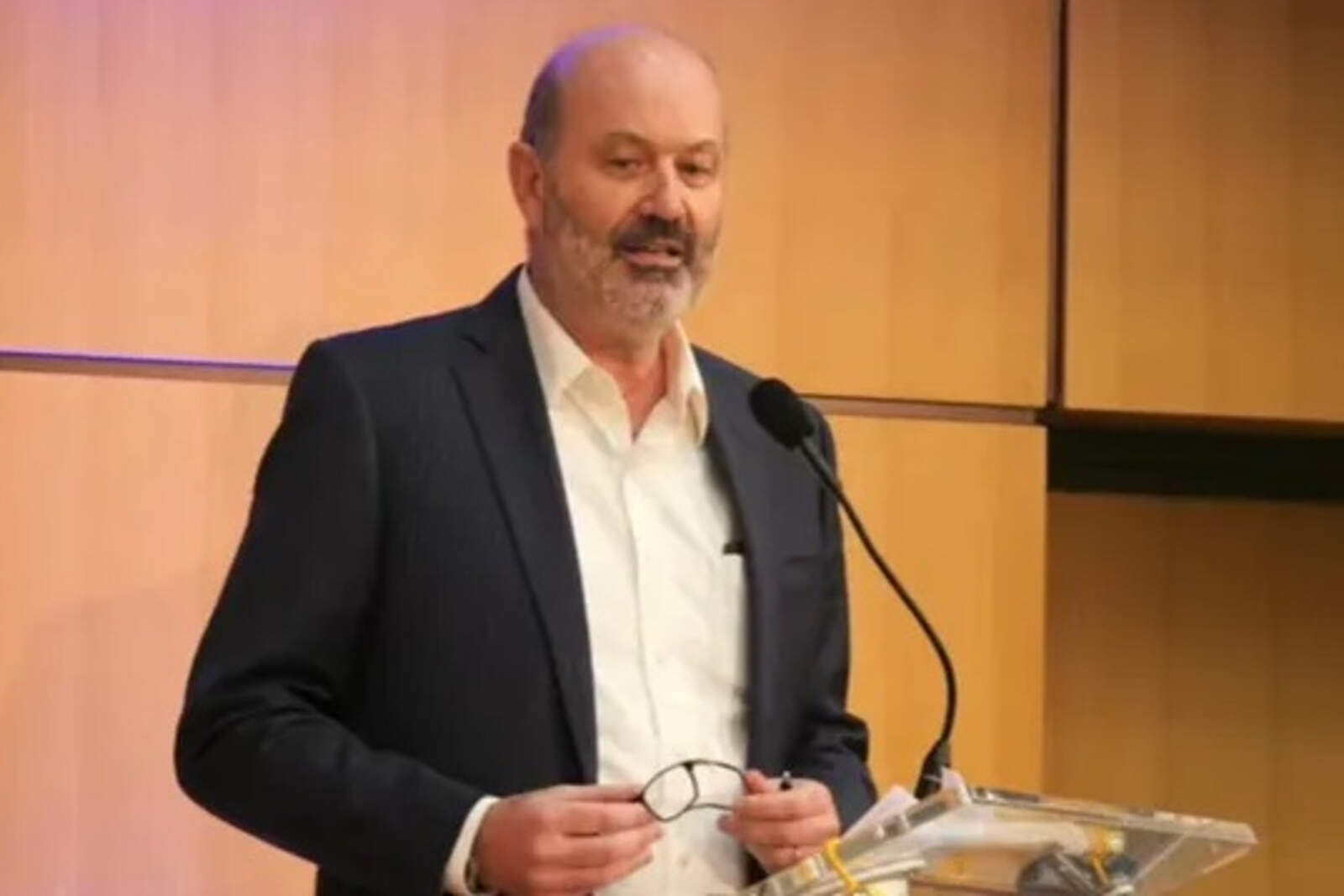
El ministro de Desregulación Federico Sturzenegger
"The State will stop controlling every step of the production process to focus on ensuring the wine's fitness for consumption," he explained. Sturzenegger recalled that Argentina produces about 900 million liters of wine per year, which amounts to exports worth USD 800 million, although global consumption has declined, which requires greater flexibility to compete.
The official stressed that the new framework will allow for optional traceability, reducing unnecessary inspections: "Less bureaucracy means fewer opportunities for corruption."
To illustrate the scale of deregulation, the minister revealed that in 2024 INV issued 140,000 transit permits and conducted more than 5,000 inspections. "There were companies that received an inspection every two days," he noted.
"Most wineries haven't had problems for years. Why treat them like criminals? The State must stop making things difficult for those who produce," Sturzenegger questioned.
Javier Milei y Federico Sturzenegger.
Finally, the minister thanked President Javier Milei for having promoted the path toward economic freedom. "We are reclaiming one of the deregulations we had worked on in the delegated decrees that Congress repealed lightly. Freedom always finds its way," he concluded.